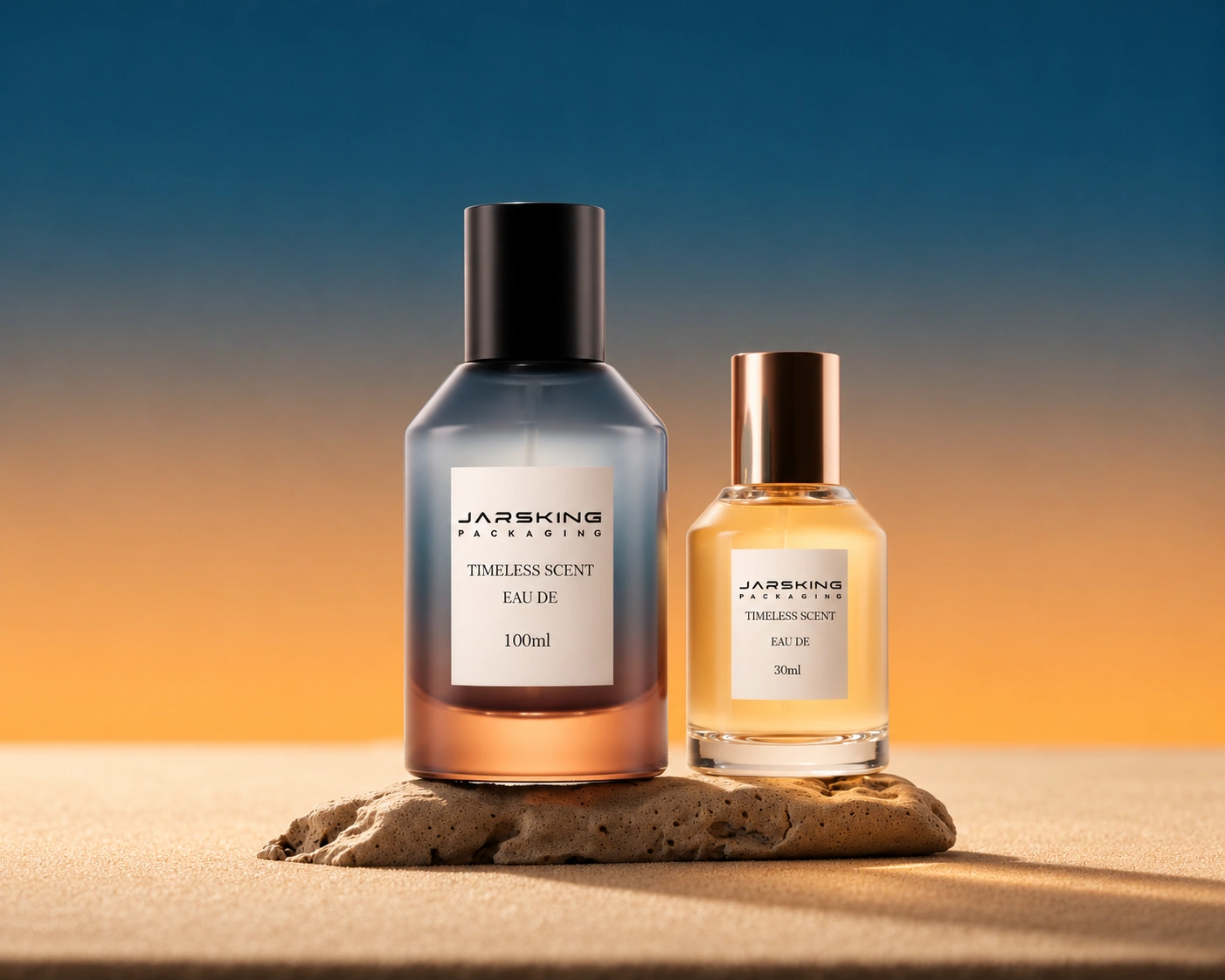
01 / EXISTING BOTTLE PLATFORM
Make an existing mold your own.
Begin with a proven bottle platform, then tailor the decoration, cap, pump, color, logo treatment and outer packaging. A new appearance does not always require a new bottle mold.
Packaging for Good. Designed for Growth.

A shape becomes real.
The engineering begins earlier.

An original bottle shape can define a fragrance. The right development route starts with knowing which parts of the package need to change.
Begin with a proven bottle platform, then tailor the decoration, cap, pump, color, logo treatment and outer packaging. A new appearance does not always require a new bottle mold.
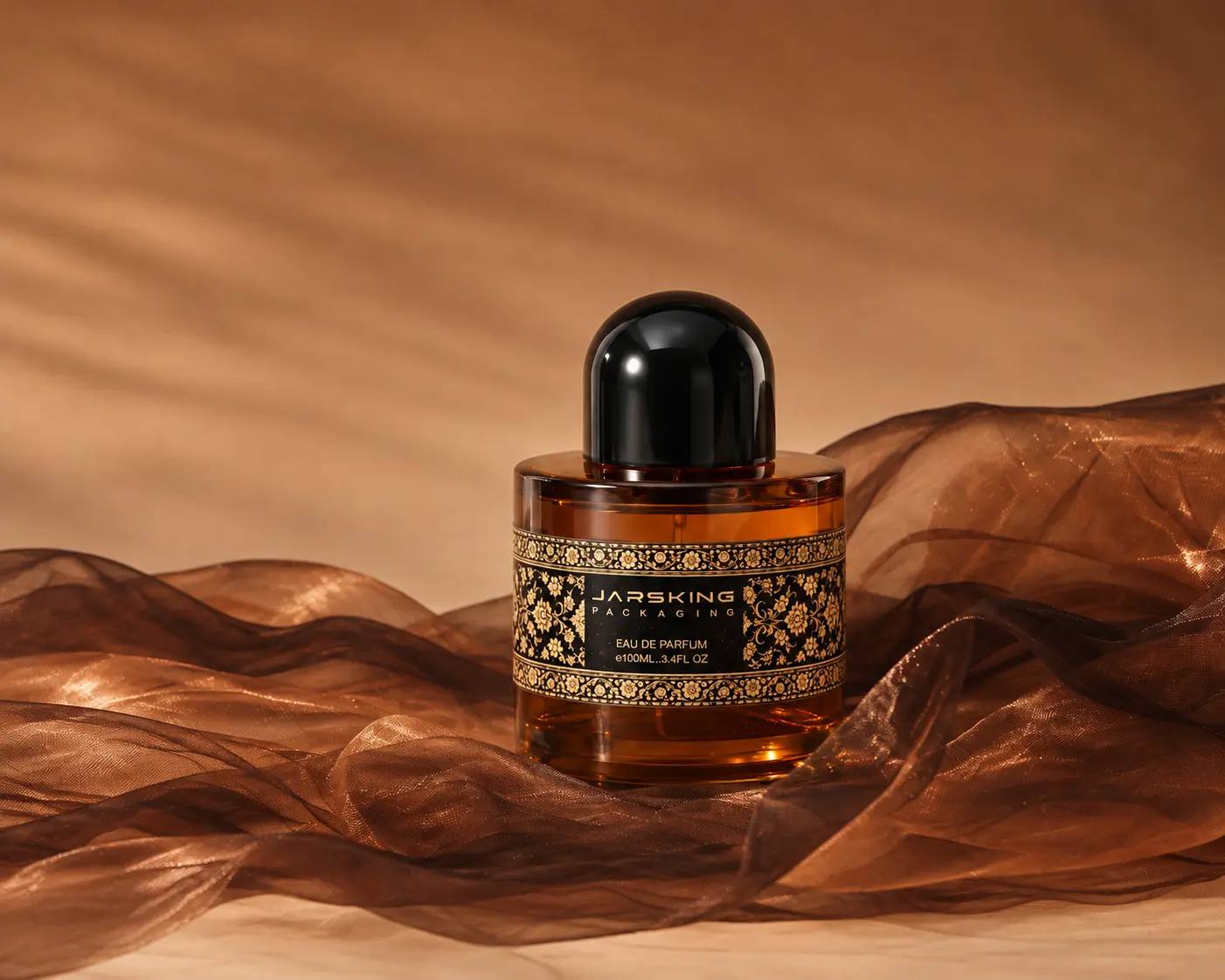
Adapt selected elements of an existing packaging direction to create a more tailored silhouette, finish or component combination. Structural changes are reviewed for feasibility and tooling implications.
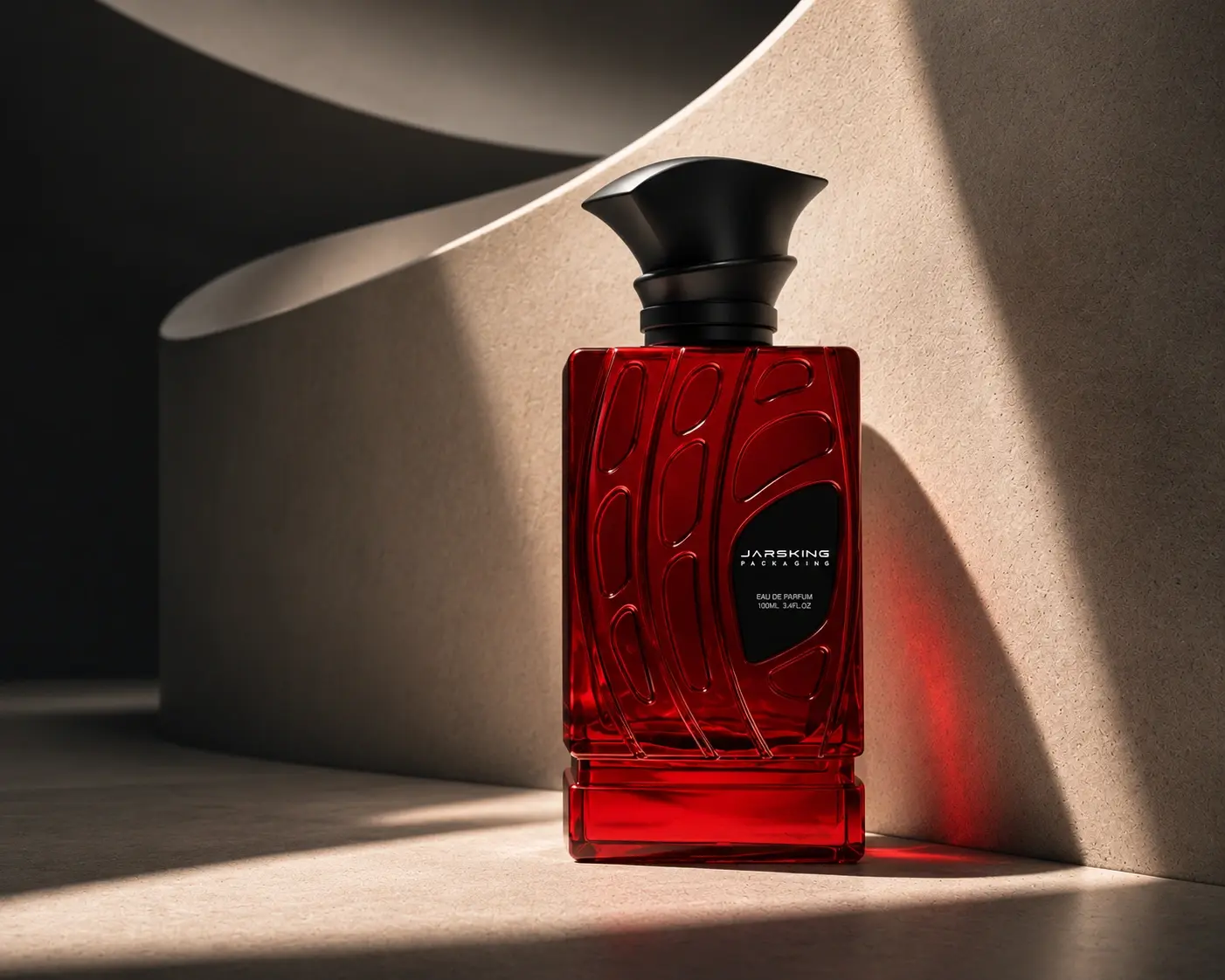
Create a bottle architecture from the ground up when your hero product calls for a more distinctive form. Engineering, prototypes and trial samples establish the route to repeatable production.
We assess the bottle, components and finish together before recommending investment in new tooling.
Confirm feasibility ↗Move through clear approval gates. Each stage gives the next decision a physical or technical foundation.
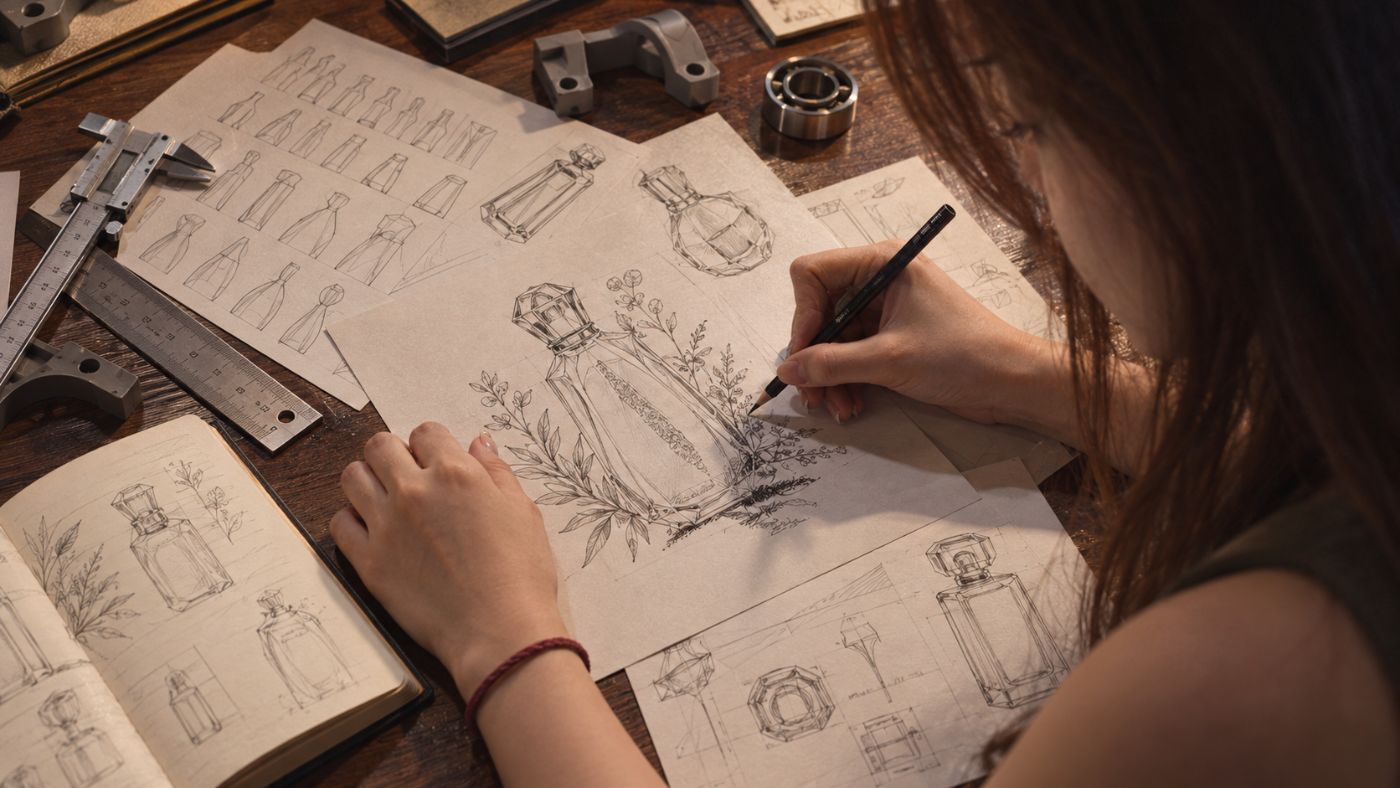
Set capacity, material, target quantity, desired appearance and launch priorities. Establish what the bottle must do before refining how it looks.
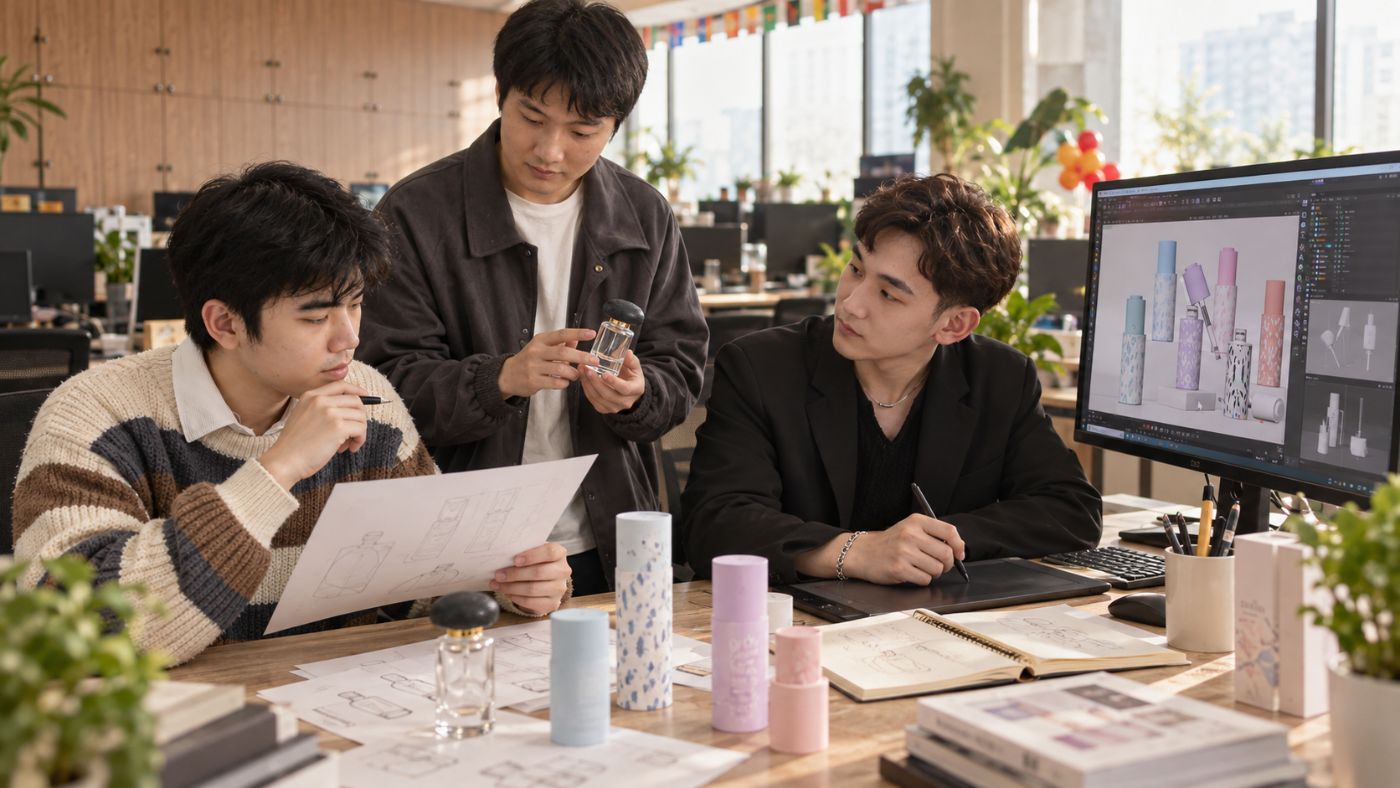
Translate the concept into dimensions, neck details and structural requirements. Review the cap, collar, pump and decoration alongside the bottle.
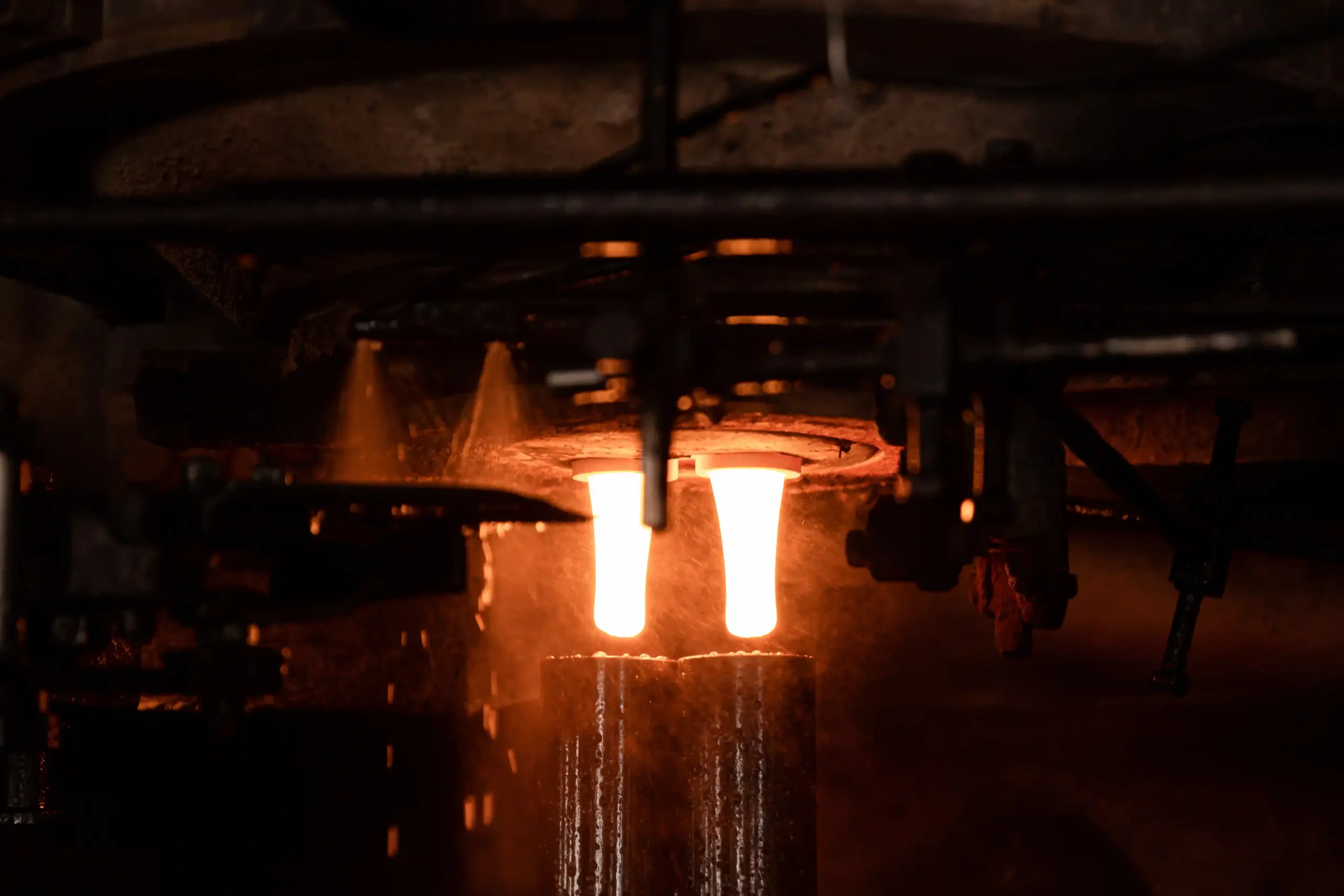
A form prototype helps assess scale, silhouette and handling. It supports design approval; production-material samples are still needed for functional validation.
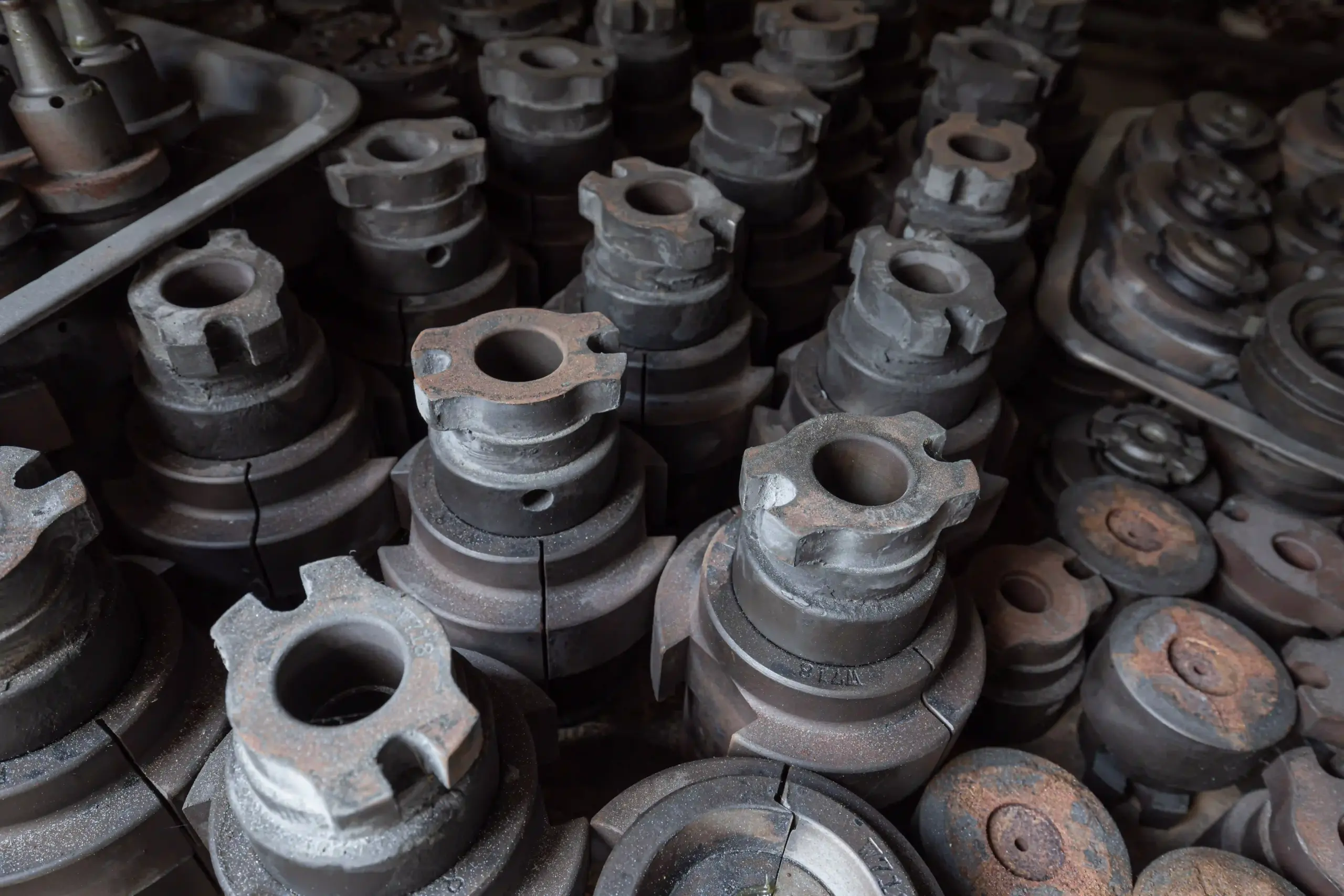
Create the mold from the approved design. Review trial pieces and resolve agreed refinements before releasing the tool for volume production.
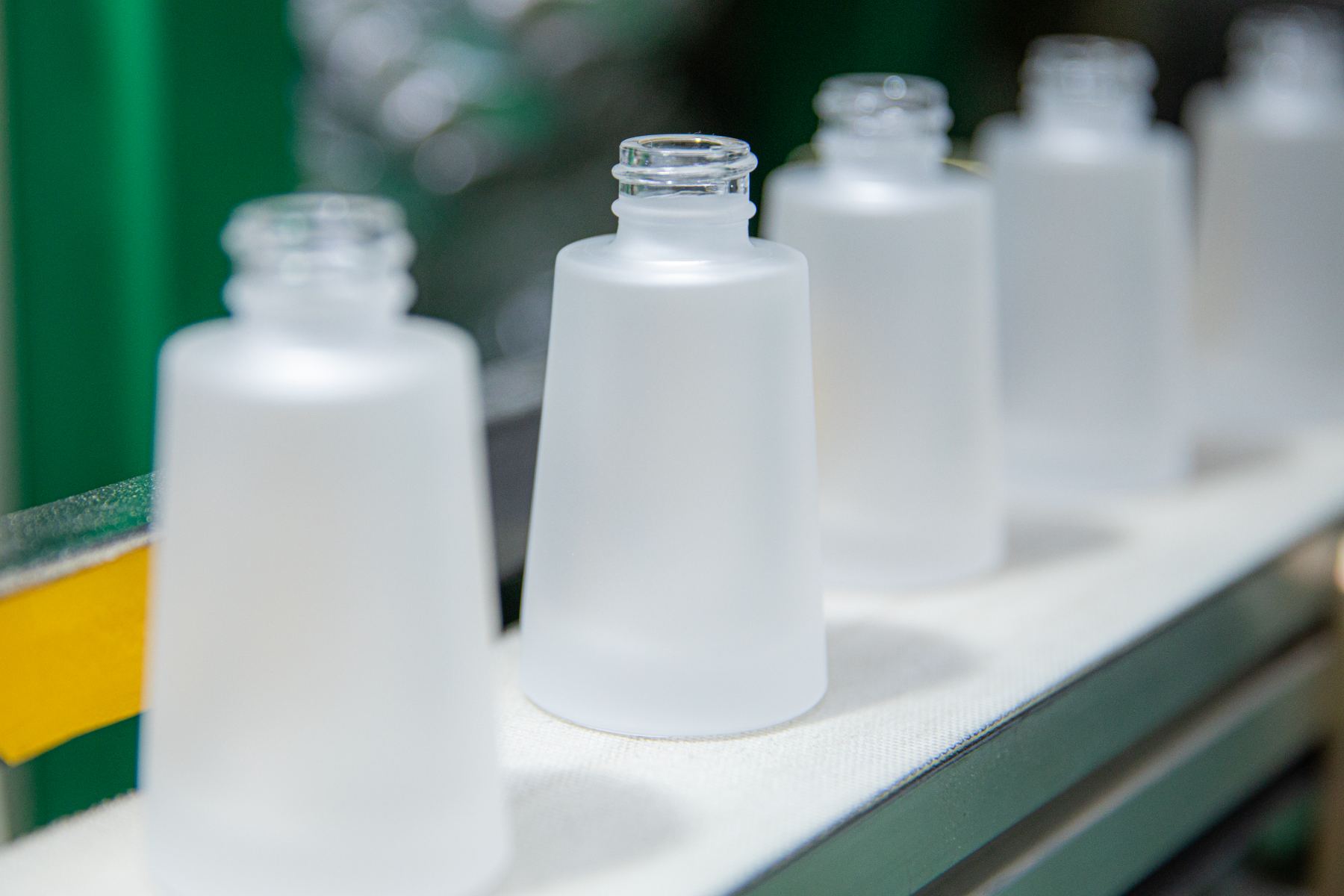
Review the production sample with its components, finish and outer packaging. Confirm the agreed acceptance criteria before the production release.
The development schedule follows the design, material, sampling plan and required revisions. Project timing is confirmed after the technical brief is reviewed.
Review your starting point ↗A silhouette is only the beginning. Review the structural details that connect your design to the mold, the closure and the production line.
Tooling and molding are connected, but different. The right tool is designed around the material, the part and the forming process.
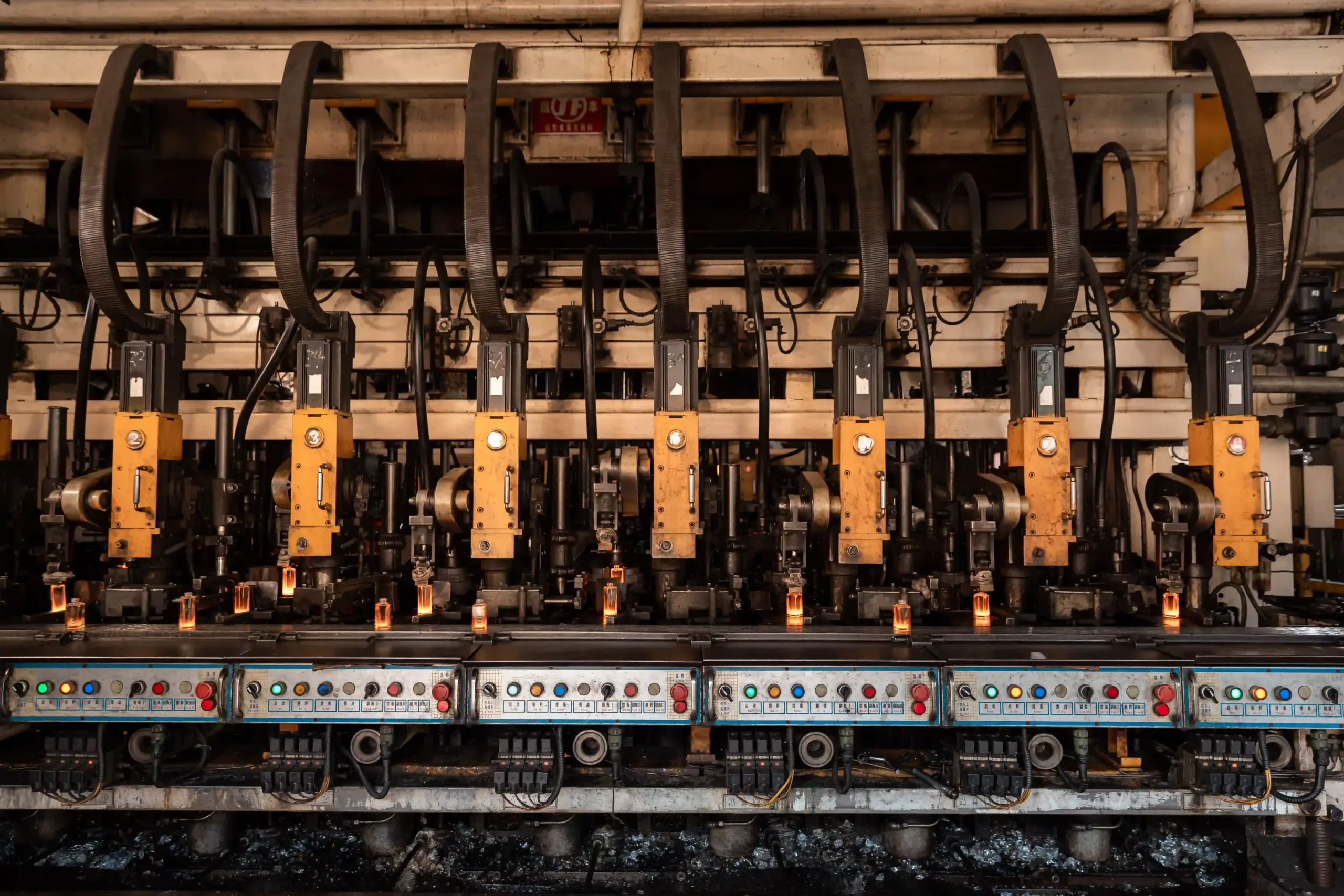
The mold and related production tooling translate the approved design into equipment capable of producing the required geometry.
Production uses that tooling to shape the selected material. Trials establish whether the process can reproduce the intended result.
PET containers commonly use injection stretch blow molding: a preform is produced, then reheated, stretched and blown to the bottle shape.
Plastic components such as selected caps and collars are injection molded. PE and PP containers may use blow-molding processes appropriate to their design.
A useful quotation begins with a clear design and production brief. Explore the decisions behind the investment.
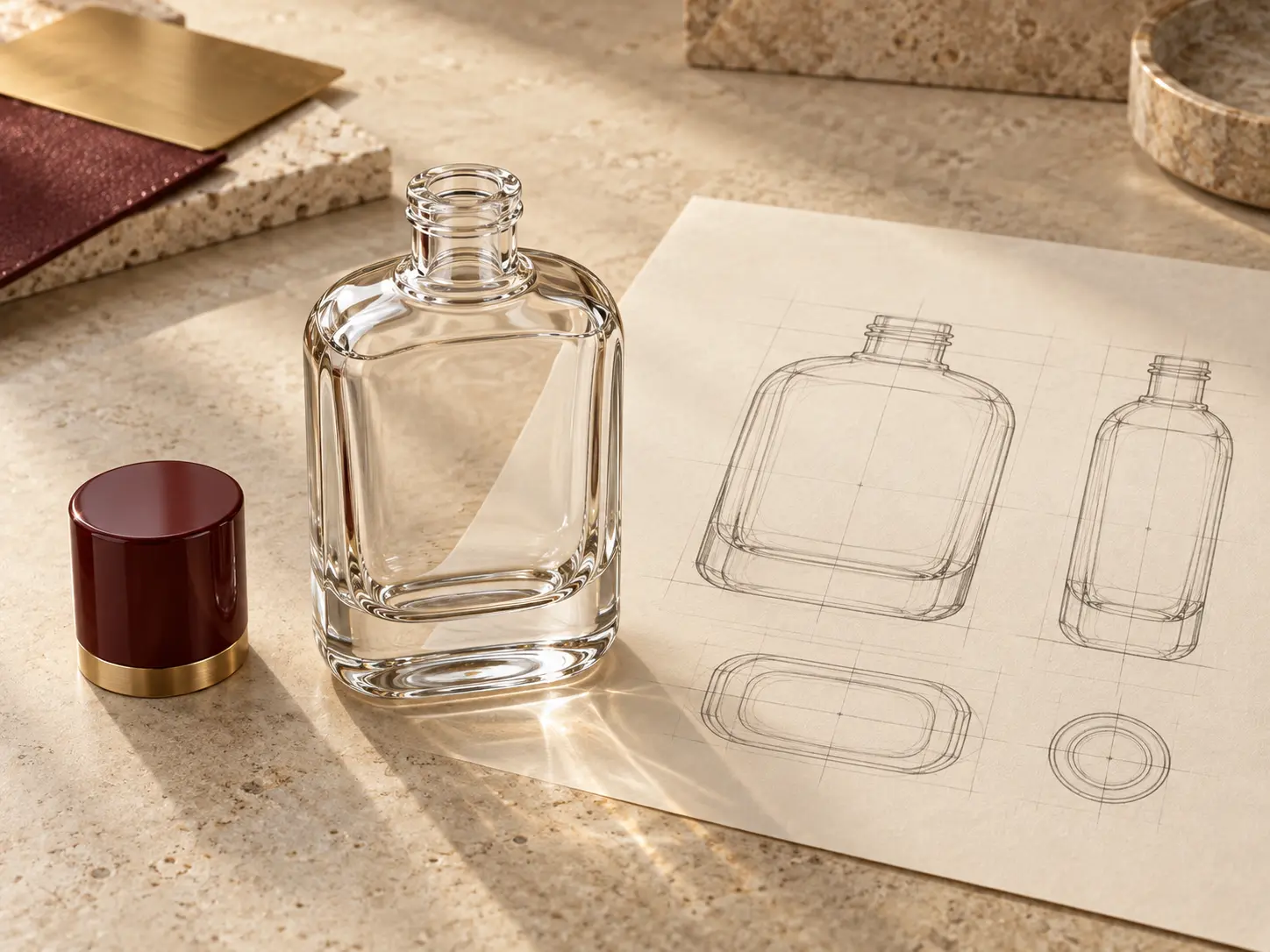
Shape, surface detail, base construction and neck requirements affect engineering and mold construction. Feasibility review helps identify the details that deserve the investment.
Protect the visual features essential to the brand. Review whether secondary effects can be achieved through decoration or components.
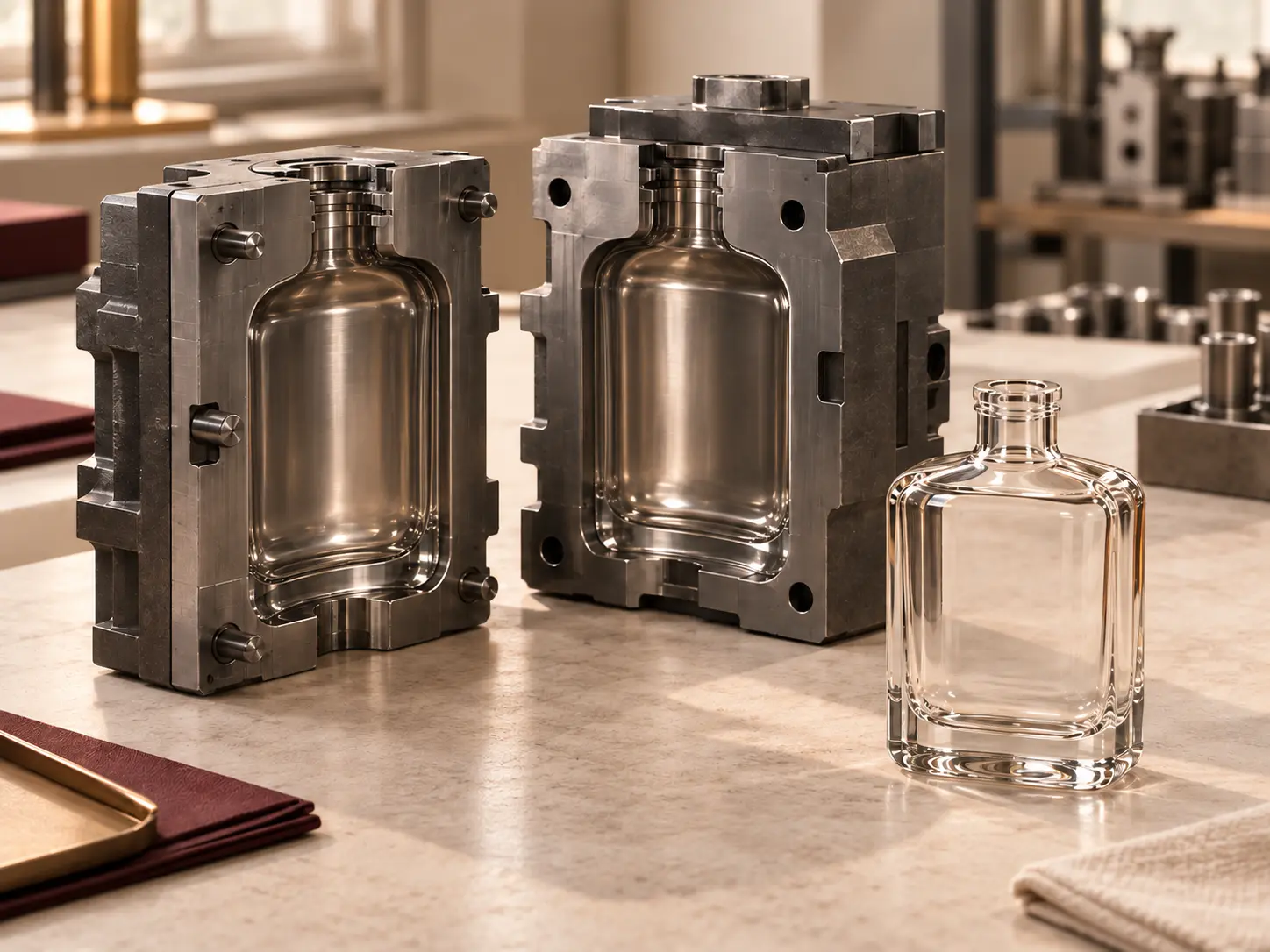
The selected material and forming route determine the tooling approach. Tool construction, production configuration and related components are assessed for the project.
Confirm the material and intended production route early. Compare suitable tooling options against the required quality and output.
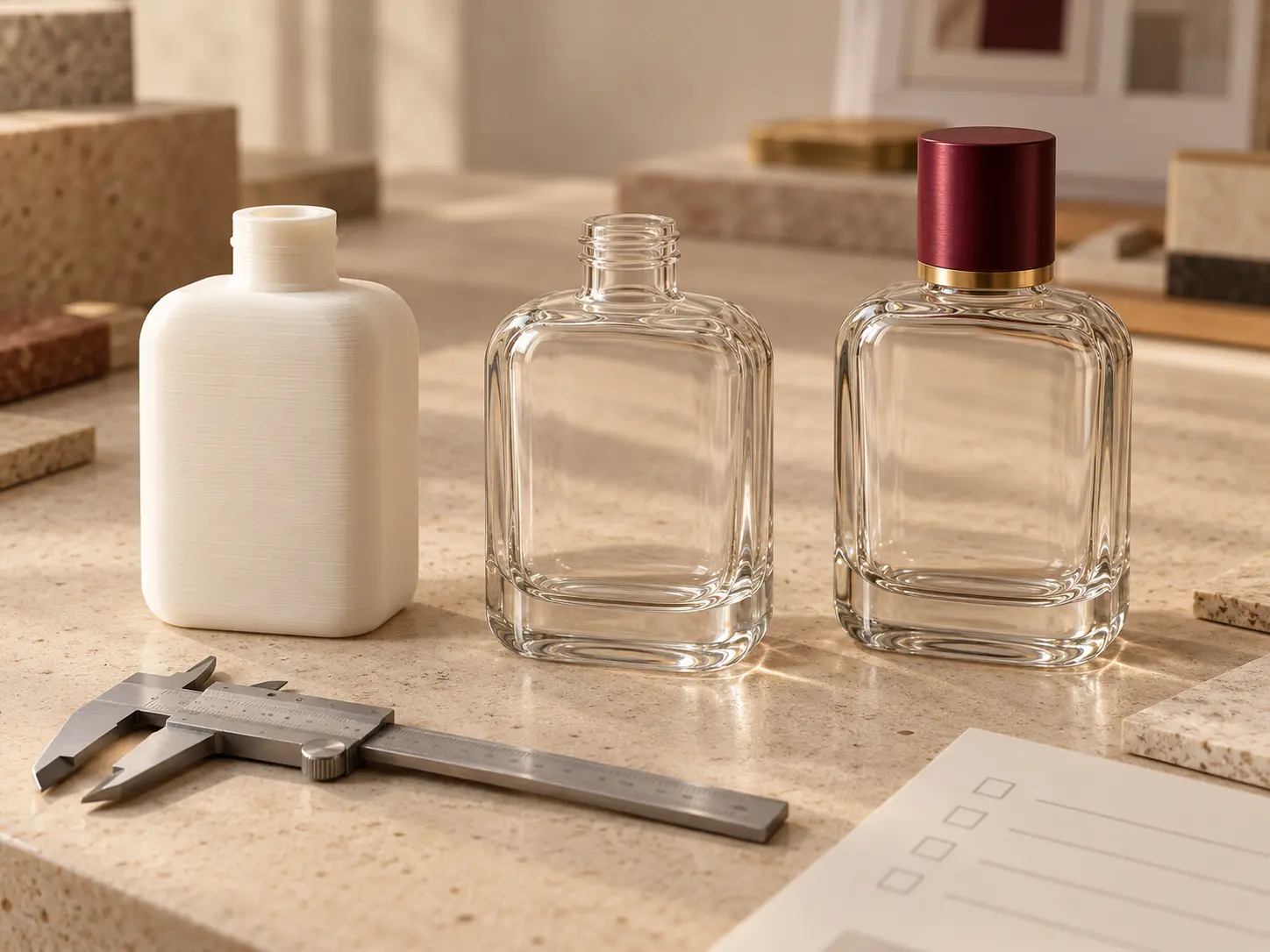
Prototypes, tool trials, revisions and validation create different kinds of evidence. The quote should make clear which stages are included and how changes will be handled.
Approve the design in stages. Separate form changes from functional and appearance checks before cutting or modifying tooling.
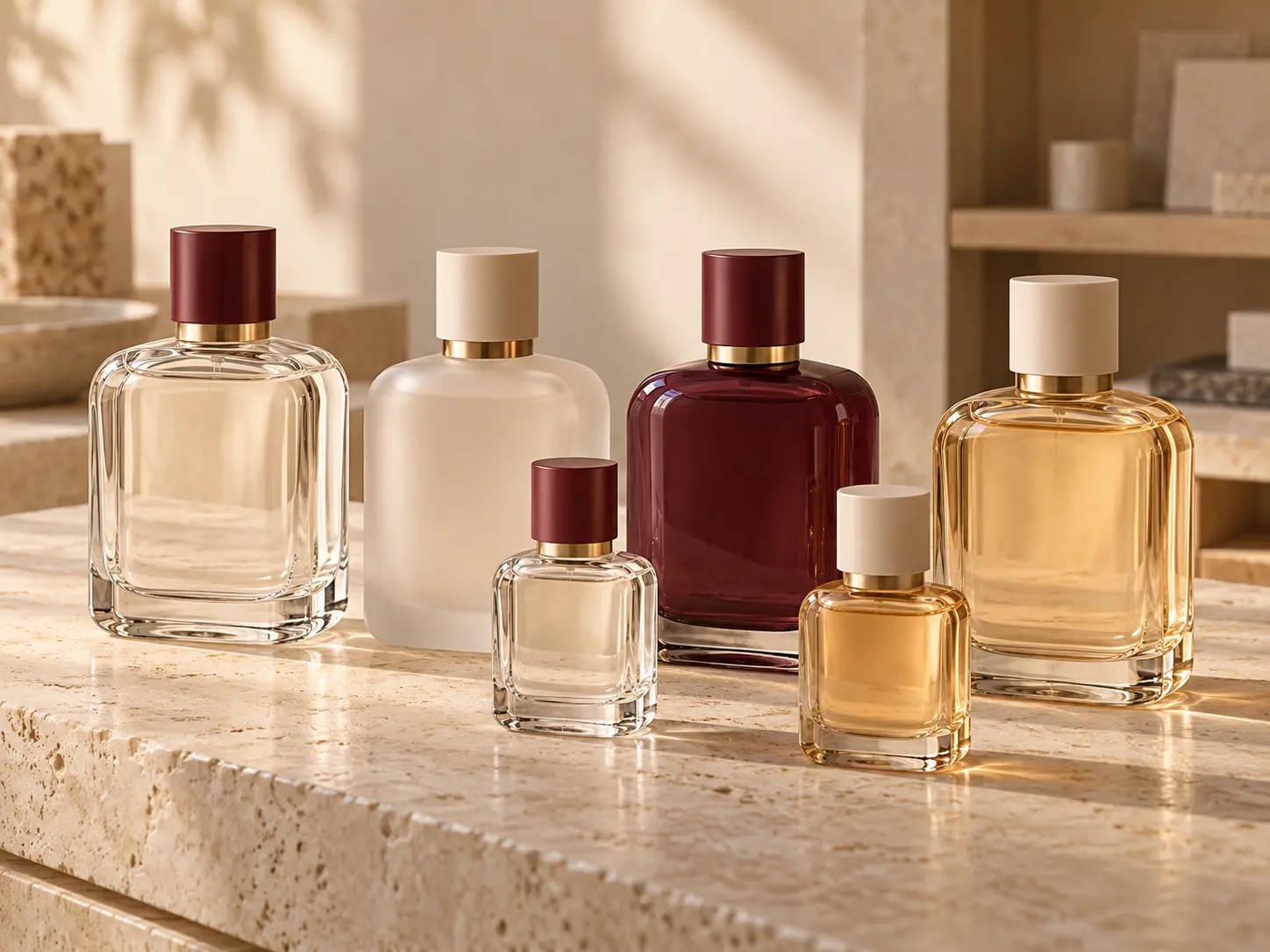
Order quantity, number of variants and future production requirements influence the tooling plan and how the initial investment is allocated across the program.
Share realistic volume and variant plans. Identify which elements can remain common across future finishes, closures or sizes.
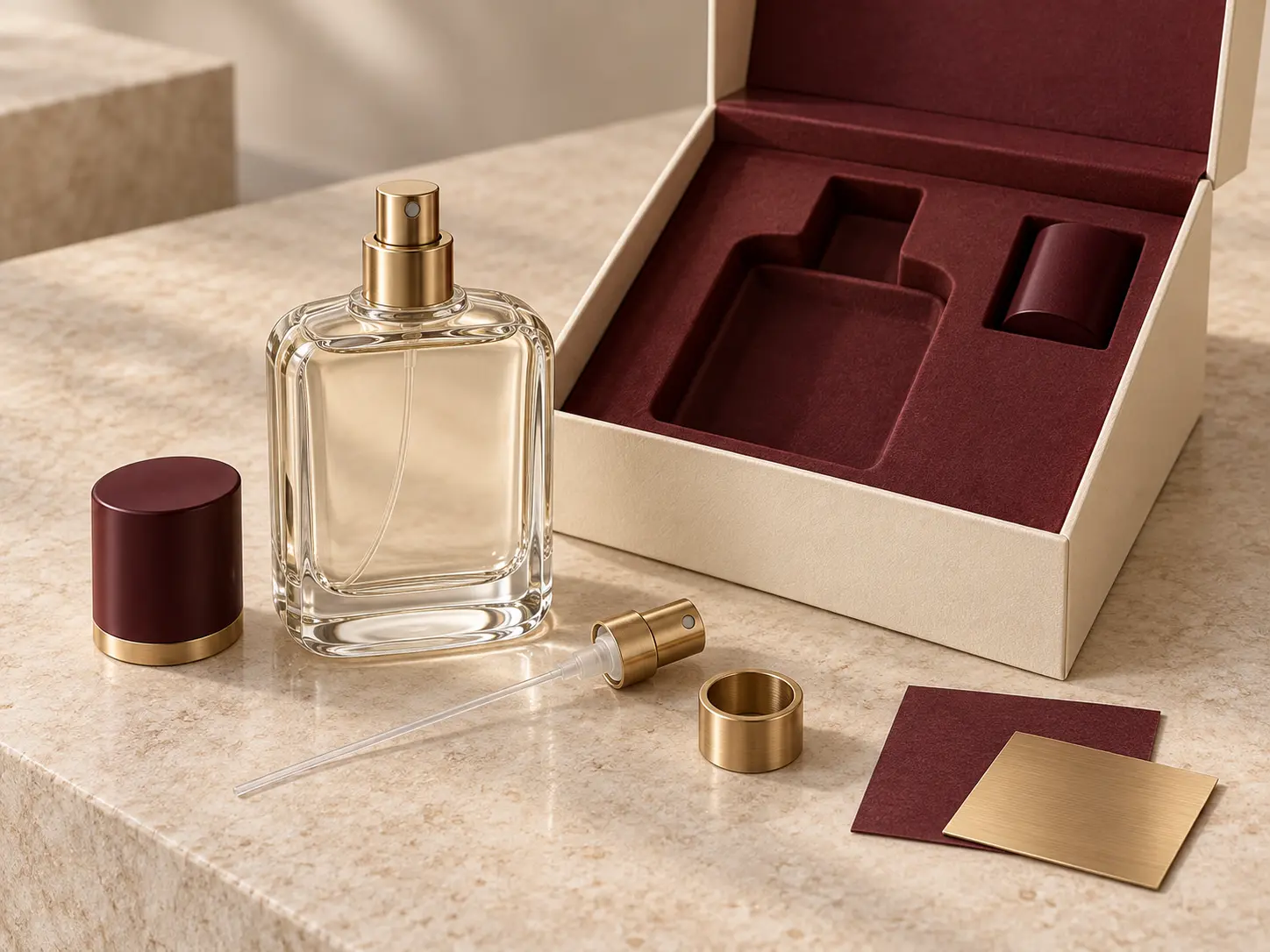
Cap, collar, pump, decoration and protective packaging all affect the bottle program. A lower initial tooling price may leave essential development work outside the scope.
Compare quotations on the same scope. Include the component fit, sample approvals, finish and packaging requirements that matter to the launch.
Form approval is one milestone. Production approval considers the bottle, functional components, finish and packing as a complete system.
Plan your sample review ↗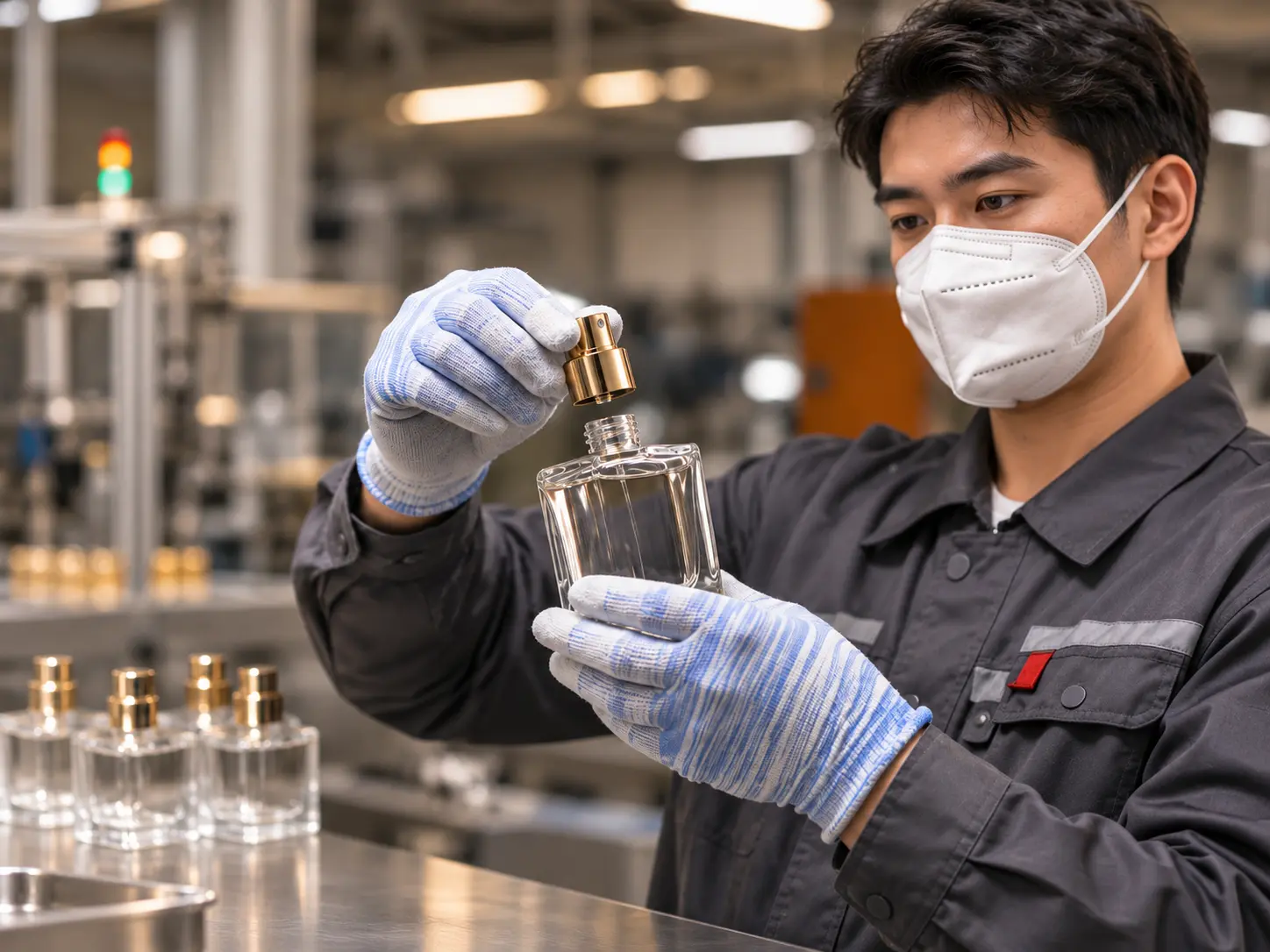
Connect bottle development with the components, decoration and packaging that complete the fragrance. Resolve dependencies together, while the design can still evolve.
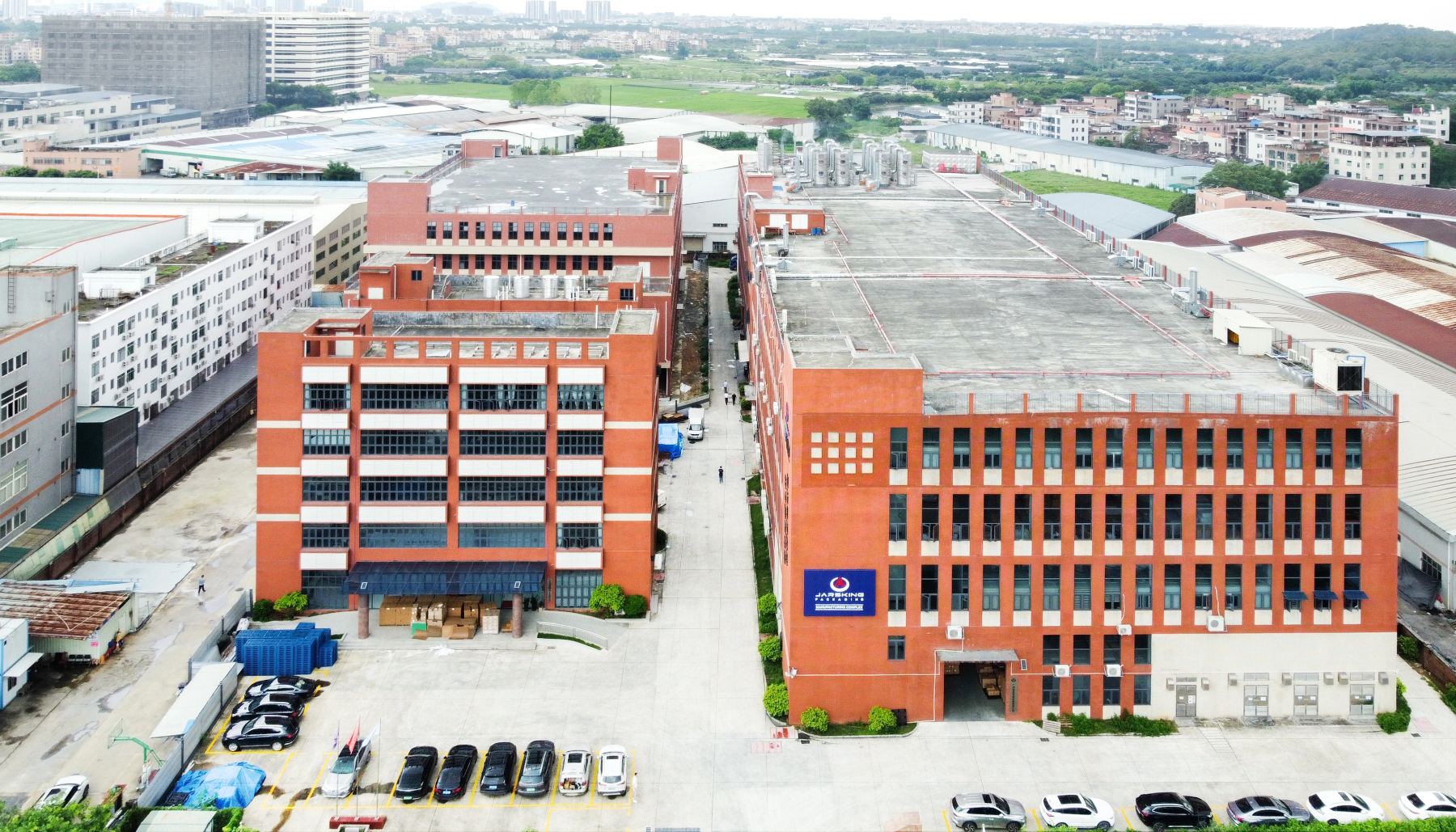
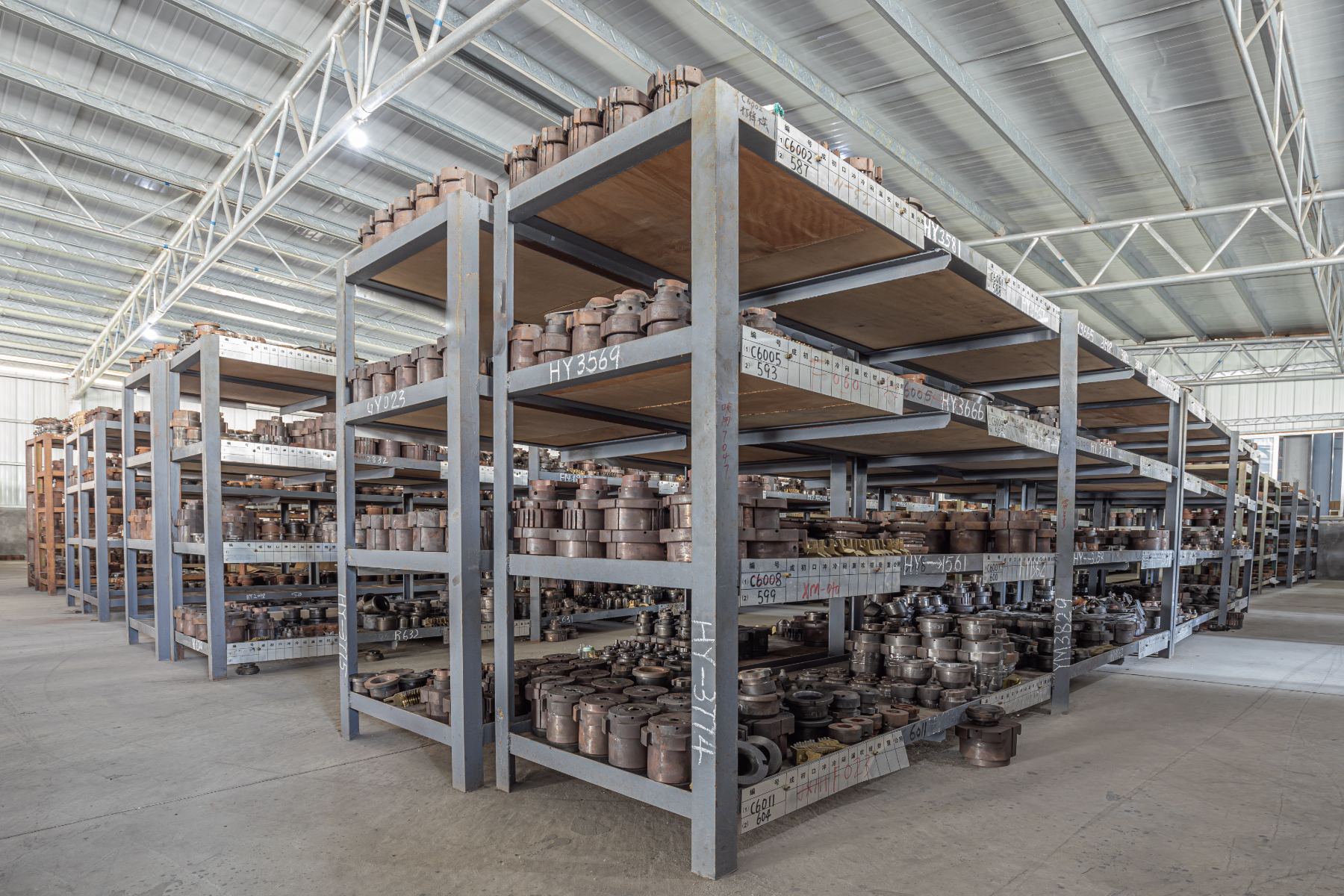
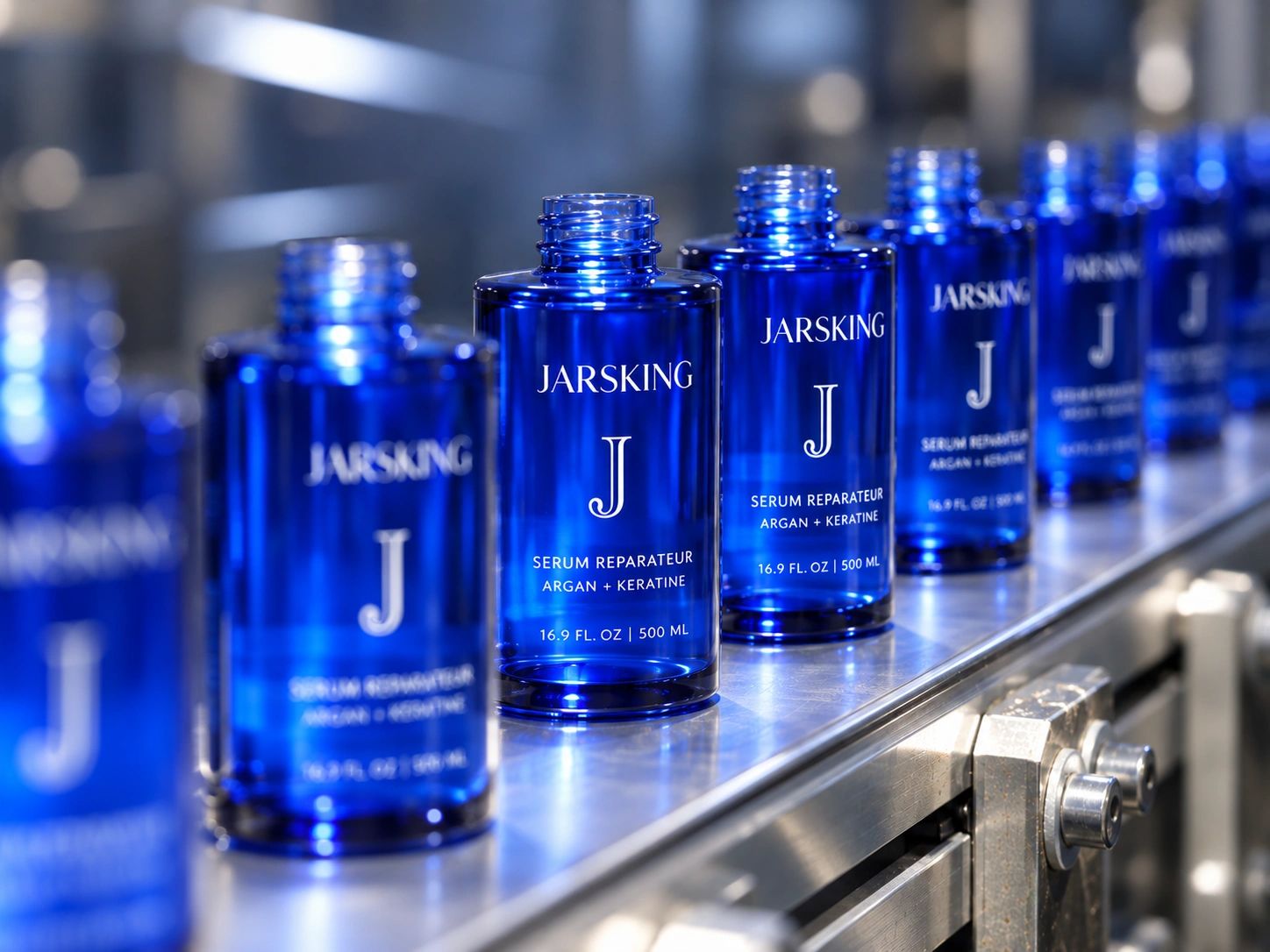
Confirm ownership and use rights, storage and custody, maintenance, repair, trial scope and future production arrangements in the project agreement. A private mold does not, by itself, define every intellectual property or exclusivity right.
The right answer starts with the intended bottle and its production plan.
Not always. An existing bottle can be differentiated through decoration, closures and outer packaging. A private mold becomes relevant when a new bottle structure or silhouette is central to the design.
Share a drawing, concept or reference with the target capacity, material, quantity, timing and key components. Identify the visual details that must be preserved and any target cost constraints.
No. A form prototype helps evaluate size, proportion and handling. Trial samples in the intended production material are needed to assess the relevant appearance and functional requirements.
Timing depends on design complexity, material, tooling, sample approvals and revisions. The project schedule is confirmed after feasibility review; sample and production lead times should be agreed separately.
Yes. Reviewing these elements alongside the bottle helps identify fit, assembly and finish requirements before the design and tooling are approved.
Ownership, permitted use, exclusivity, custody and maintenance are defined by the written project agreement. Confirm the repair and replacement arrangements, as well as the plan for future production.