
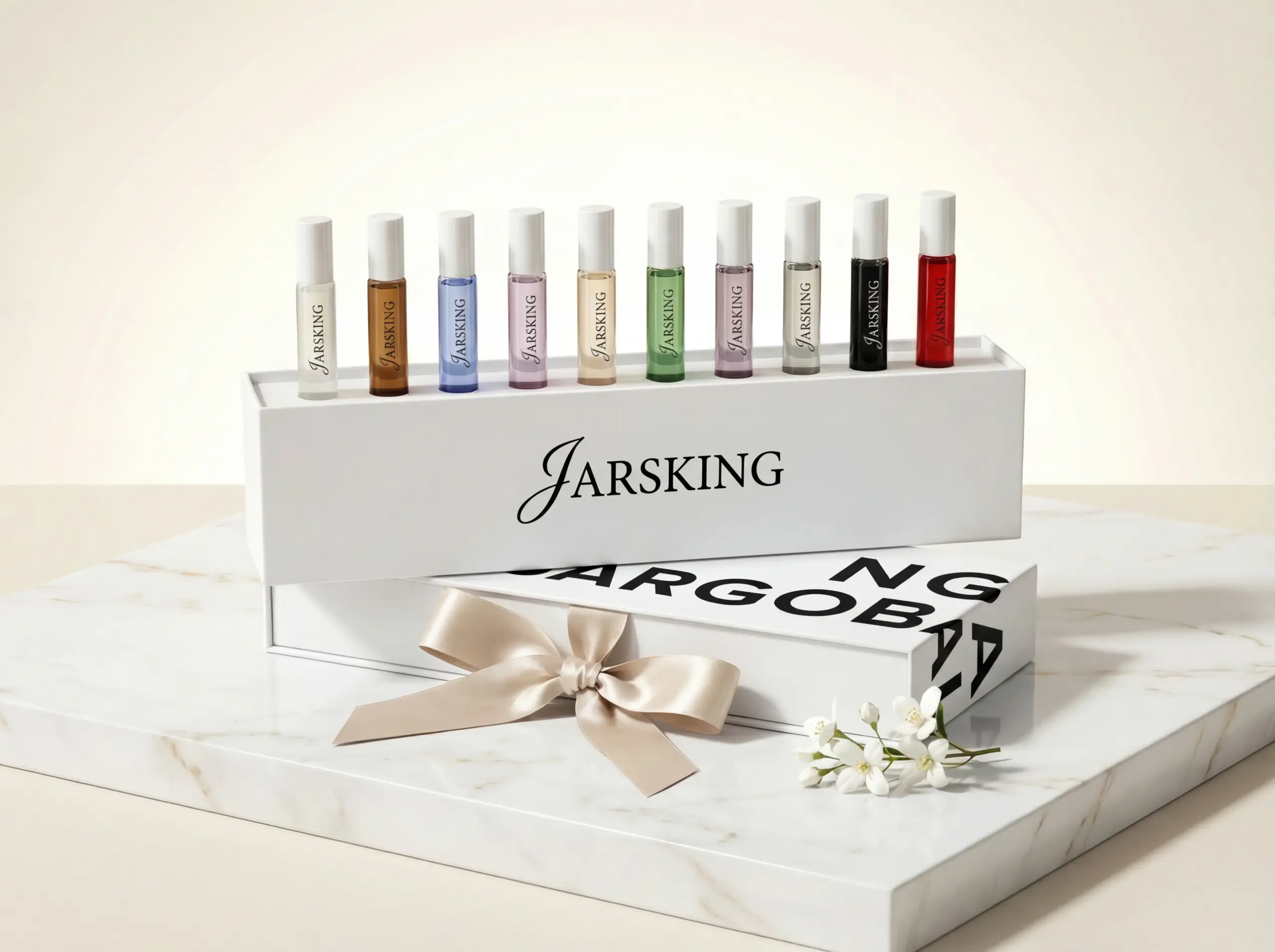


The global fragrance market is more competitive than it has ever been, and every milliliter now has a job to do. New launches drop every season, niche brands are multiplying, and customers can swipe through thousands of options before they ever set foot in a store. In this crowded, fast moving landscape, perfume sample bottles are quietly becoming one of the most powerful growth tools a brand can use. These tiny formats do far more than introduce a scent; they drive trial in real life, shape how your brand feels in a customer’s hands, turn curious browsers into confident buyers, and keep your story alive on vanities, desks, and social feeds long after that first spray.
When you stop treating samples as disposable freebies and start seeing them as core growth infrastructure—designed with intention, packaged with care, and integrated into your wider marketing—you fundamentally change how they perform. Suddenly, decisions about vial size, sprayer quality, discovery set structure, and even the copy on a sample card become strategic levers rather than last‑minute details. Well‑built sample bottles can support everything from DTC launches and retail rollouts to subscription box collaborations and influencer seeding, giving you a consistent, tangible way for people to really live with your scents before they buy. The formats you choose, the way you present them, and the partners you work with all start to compound, turning each little bottle into a focused, measurable touchpoint that can influence trial, insight, loyalty, and, ultimately, long‑term revenue for your fragrance brand.
1. From Freebie to High-Performance Channel
For a long time, perfume samples were treated as small acts of generosity: you tossed a vial into a shopping bag, handed it out at the counter, or slipped it into an online order without thinking too much about what happened next. There was no real strategy and almost no measurement beyond a general hope that some of these samples would translate into sales. That made sense in an era when consumers discovered fragrance mostly through in-store testers and print campaigns. Today, however, the way people find and fall in love with perfume looks very different.
Modern fragrance lovers are curious but cautious. They scroll through reviews, watch creators talk honestly about how a fragrance wears, and are happy to take their time before committing to a full bottle. They want to know not only how a perfume smells in the first few seconds, but how it develops through their day, how it interacts with their skin, how it fits into their lifestyle, and whether it feels “like them.” Campaign visuals and product copy can create desire, but only a real wear test answers the question that matters most: “Do I actually want to wear this in my life?” When you recognize that reality, sampling stops being a casual add‑on and starts looking like one of your most important performance channels.
Once brands design sampling programs with intent, the impact becomes obvious. Because customers can truly experience the fragrance, sample-to-full-size conversion often climbs well above the averages you see from cold digital traffic. Sampling rises to sit beside word‑of‑mouth and prior positive experience as a top driver of purchase decisions. And when you extend the idea from single vials to discovery sets and curated mini collections, you create a richer journey: instead of betting everything on one scent, you give customers a guided tour through your world. They get to try several fragrances, compare them side by side, and discover which one naturally fits their preferences. At that point, samples are not an expense you reluctantly absorb; they’re a calibrated tool for driving trial, conversion, and loyalty.
2. How Sample Bottles Turn First Sprays into Real Sales
The real power of sample bottles sits at the intersection of emotion and behavior. On one side is the sensory magic of fragrance, and on the other is the concrete reality of what customers actually do after they experience it. A great sample connects those two worlds seamlessly.
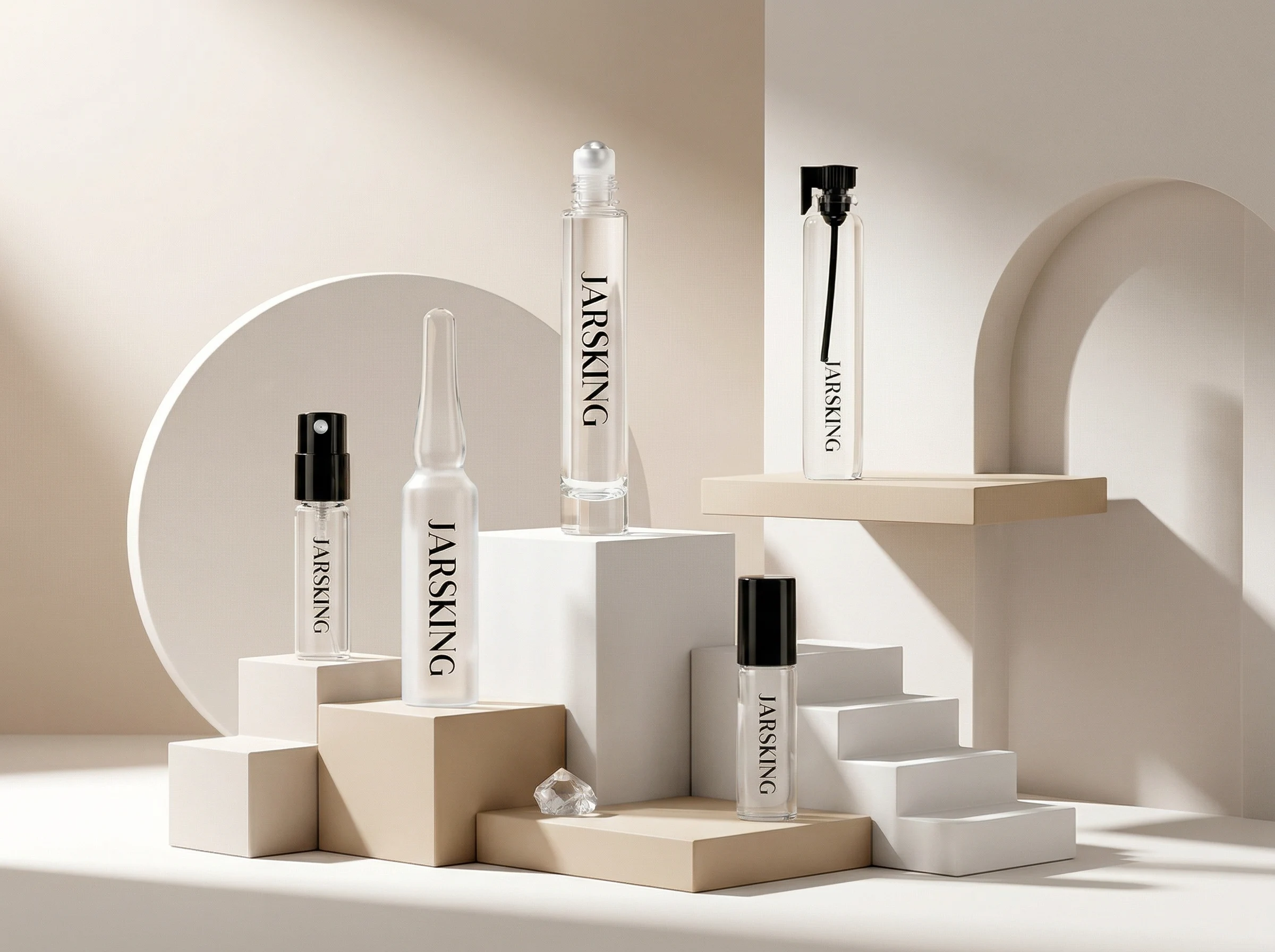
A strong sample is never a flimsy, diluted imitation of your full-size product. It is a miniature expression of your brand promise. When a customer picks up a 1-2 ml spray vial and gets twenty or more proper wears out of it, they are doing more than testing; they’re inviting your fragrance into their daily life. They might spray it on before a commute, before a key meeting, before meeting friends, or before a quiet weekend day. Over multiple wears, they experience how the top notes greet them at the start, how the heart unfolds as hours pass, and how the base note lingers into the evening. Each of those moments builds familiarity and emotional connection in a way no description or single in-store tester can replicate.
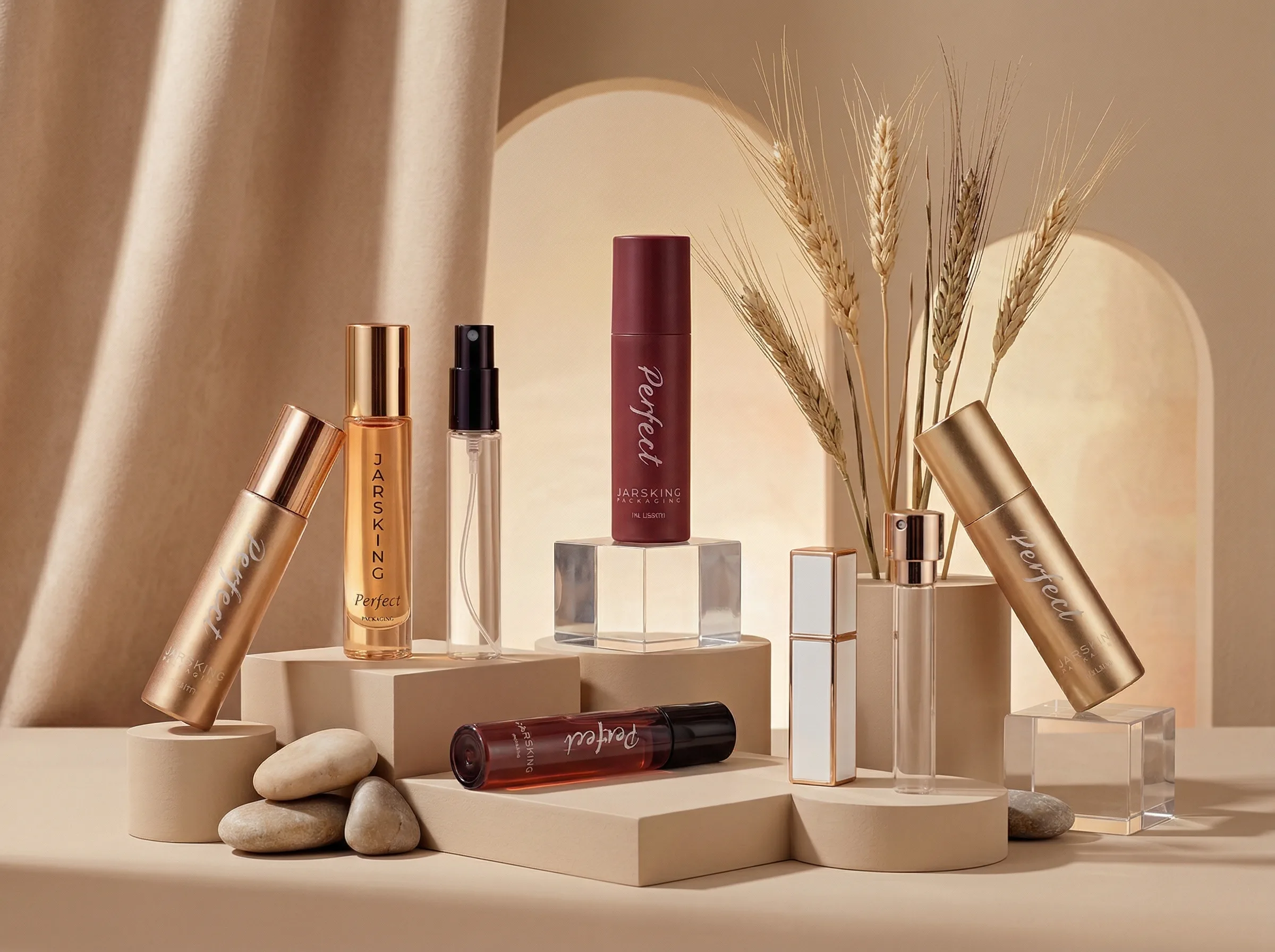
Packaging plays a surprisingly large role in shaping this impression. The way the glass feels in the hand, the way the atomizer sprays, the way the cap opens and closes—all of these details contribute to the customer’s subconscious judgment of your brand. If the vial feels solid and clear, the spray is fine and even, and the cap sits securely without leaking, the customer’s brain quietly concludes that this is a brand that cares about quality. The miniature feels like a true younger sibling of the full-size bottle they might have seen online or on a shelf, and that consistency strengthens trust. If the sample feels cheap, wobbly, or prone to leaks, it sends a mixed message: the fragrance itself may be beautiful, but the packaging suggests corner-cutting. A thoughtful OBM packaging partner helps you avoid that disconnect by engineering tiny bottles that still carry your identity with pride.
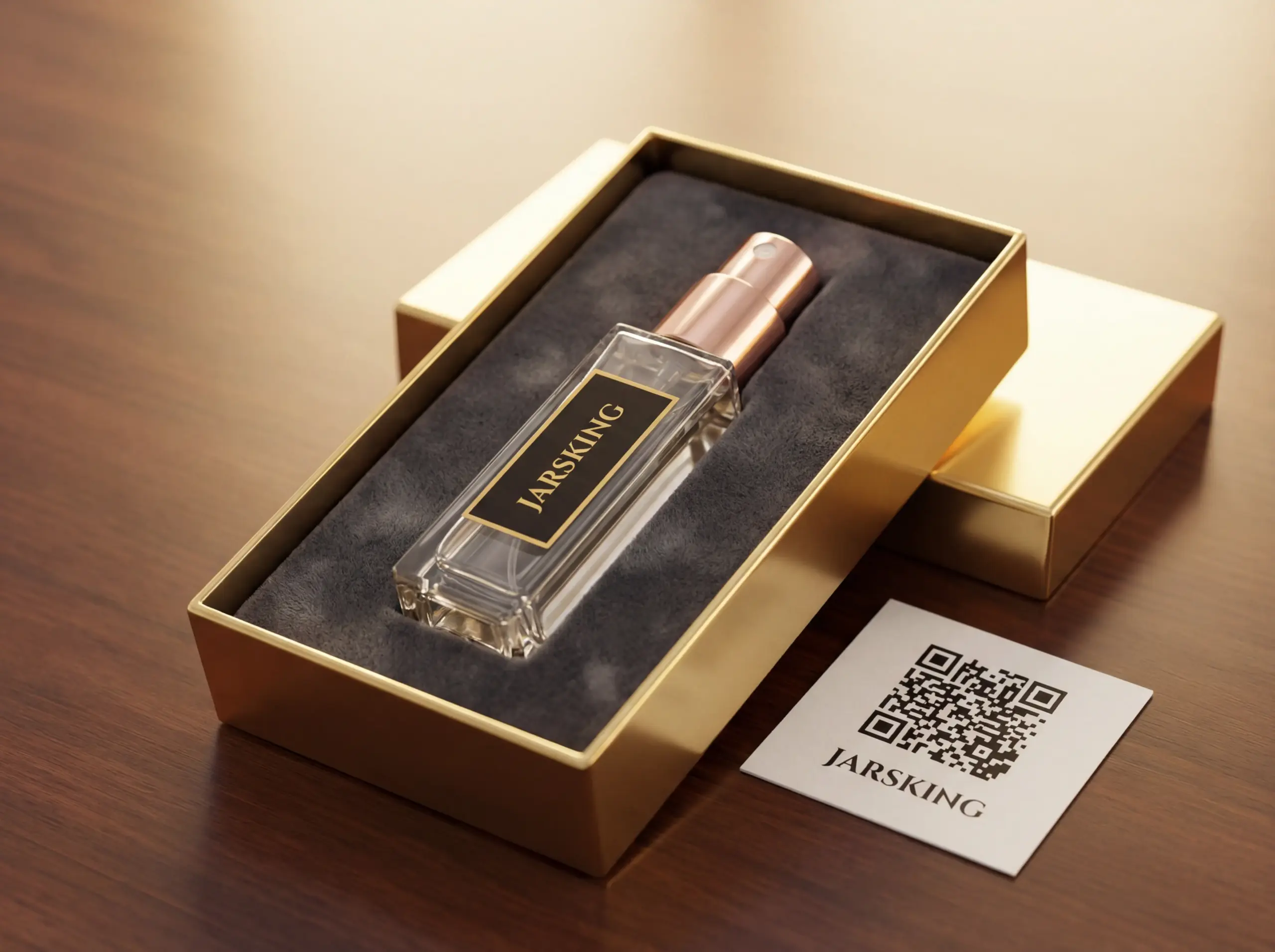
Just as important as the experience itself is the path you create afterward. In the old model, a sample left the store and disappeared into the unknown. Today, you can give that tiny bottle a clear next step. A QR code on the card or carton can take the customer straight to a dedicated landing page. A simple URL or unique code can link their sample to a special offer, a discovery set credit, or a personalized full-size recommendation. When you build this bridge, you stop guessing about what happens after the first spray. You can see how many people visit your website after sampling, how many add a full-size bottle to their cart, and which formats or campaigns are driving the strongest response. Over time, you start spotting patterns: maybe one fragrance consistently converts better as part of a duo, or maybe another performs best when framed as an “everyday signature” instead of a “special occasion” scent. Sampling becomes something you can iterate on and improve, just like your email or ad strategy.
3. Sampling as a Built-In Insight Engine
Not every sample will turn into an immediate sale, and that is absolutely fine. One of the most valuable-and often overlooked-benefits of a well-structured sampling program is the insight it generates. When you connect your sampling to simple, thoughtful digital touchpoints, each tiny vial becomes the start of a two-way conversation rather than a one-sided giveaway.
Imagine a customer scanning the code on their discovery set and landing on a short, friendly quiz that helps them explore their fragrance preferences. They might answer questions about whether they prefer something fresh and clean, warm and spicy, or sweet and playful. They might indicate where they usually wear perfume-work, evenings out, daily errands and whether they like subtle or bold sillage. That information, volunteered directly by the customer, is incredibly valuable. It tells you not only what they might like right now, but also how to talk to them in the future.
A follow-up email a few days after they receive their samples can deepen this insight. You might ask which scent they tried first, how it wore on their skin, whether it felt more like a daytime or nighttime fragrance, or whether they could imagine making it their “signature.” As responses accumulate, you begin to see patterns you might never have noticed from sales data alone. Perhaps a fragrance you positioned as glamorous and evening-focused is actually being adopted as a daily “confidence boost” scent. Perhaps a note you thought would be polarizing turns out to be a surprise favorite with certain demographics.
All of this feedback feeds directly back into your decisions. It can shape which scents you feature in seasonal campaigns, how you describe your fragrances on product pages, or which combinations you highlight for layering. It can also influence your future product development roadmap and your packaging choices. If you learn that customers adore a particular mini bottle shape because it feels great in hand and travels well, you can lean into that format. If you discover that certain decorative finishes don’t hold up in transit or don’t photograph well in real homes, you can adjust with your packaging partner. Sampling, in this sense, becomes a quiet but powerful research engine embedded in your marketing.
4. The Special Role of Discovery Sets and Curated Minis
While individual vials are incredibly useful, discovery sets and curated mini collections have started to play a special starring role in modern fragrance strategies. They capture something deeply human about how people like to explore: we enjoy comparing, sorting, and collecting. A well-designed discovery set doesn’t just offer multiple scents; it offers a structured adventure.
You can build that adventure in many ways. Grouping fragrances by family is helpful for customers who already know they love, say, florals or woods. Grouping them by mood or occasion helps people build a practical “wardrobe”: a light scent for work, something warmer for evenings, something fresh for weekends. There is also immense storytelling potential in sets built around ideas: cities that inspired each fragrance, memories they evoke, seasons they represent, or even elements like air, fire, water, and earth. Each theme gives customers a fun, intuitive frame for exploration.
Inside the set, short, well-written guides can make the experience feel both welcoming and informative. Describing each fragrance in accessible language, listing key notes, and offering simple suggestions on when to wear it can transform a potentially overwhelming decision into a pleasurable ritual. A customer might commit to trying one scent each day for a week, ask friends or partners which they like best, and gradually hone in on “the one.” Every step in that process strengthens their sense of connection to your brand.
On a practical level, discovery sets also do an excellent job of lowering perceived risk. Buying a full-size bottle based on a quick test or a blind buy can feel like a gamble, especially at higher price points. Buying a set of minis, especially when the cost can be applied as credit toward a full bottle later, feels clever and safe. Customers feel that they’re getting excellent value a range of experiences, not just one and that they remain in control of the final decision. That mix of enjoyment and security often leads to higher conversion and better long‑term satisfaction.
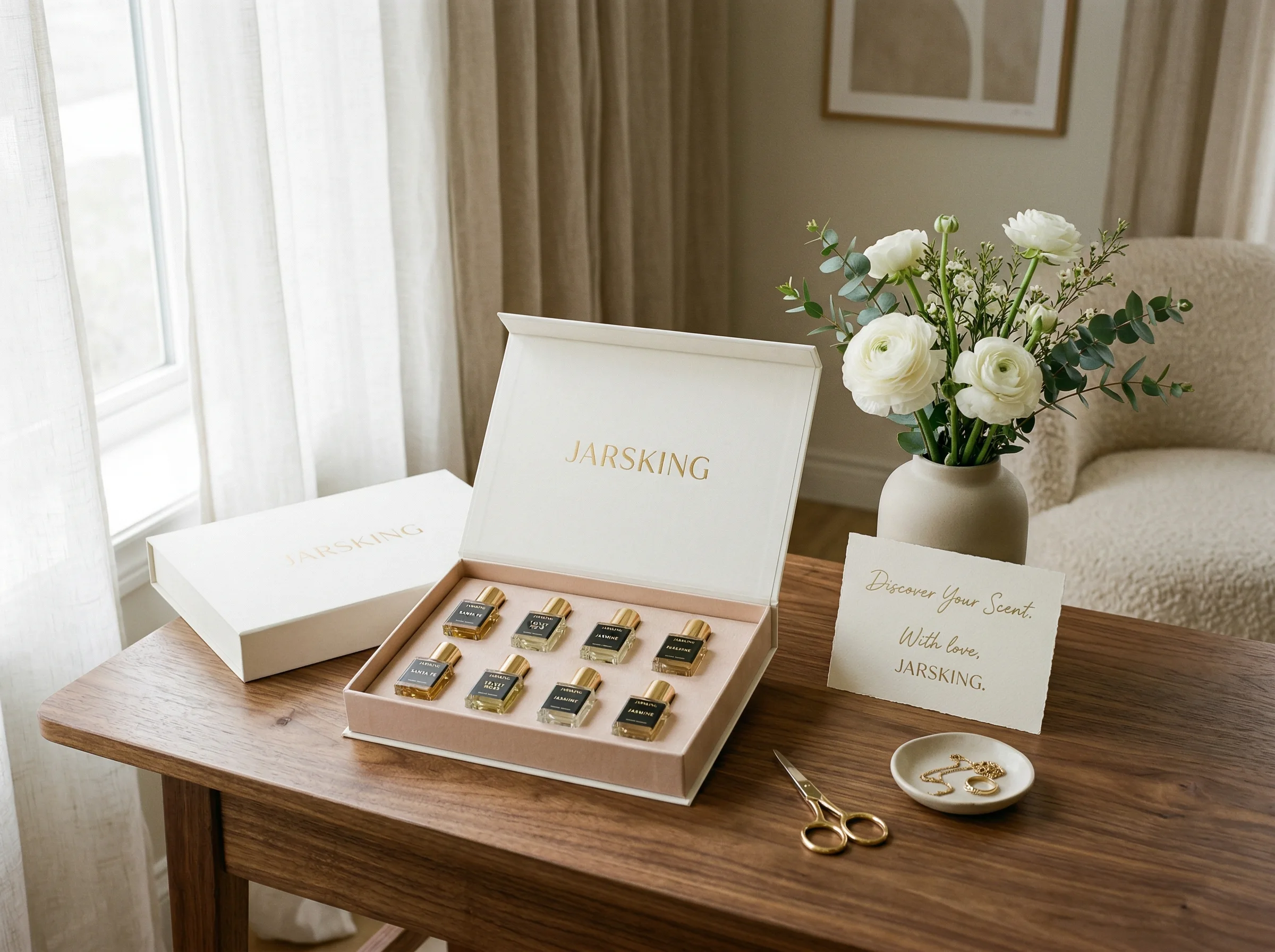
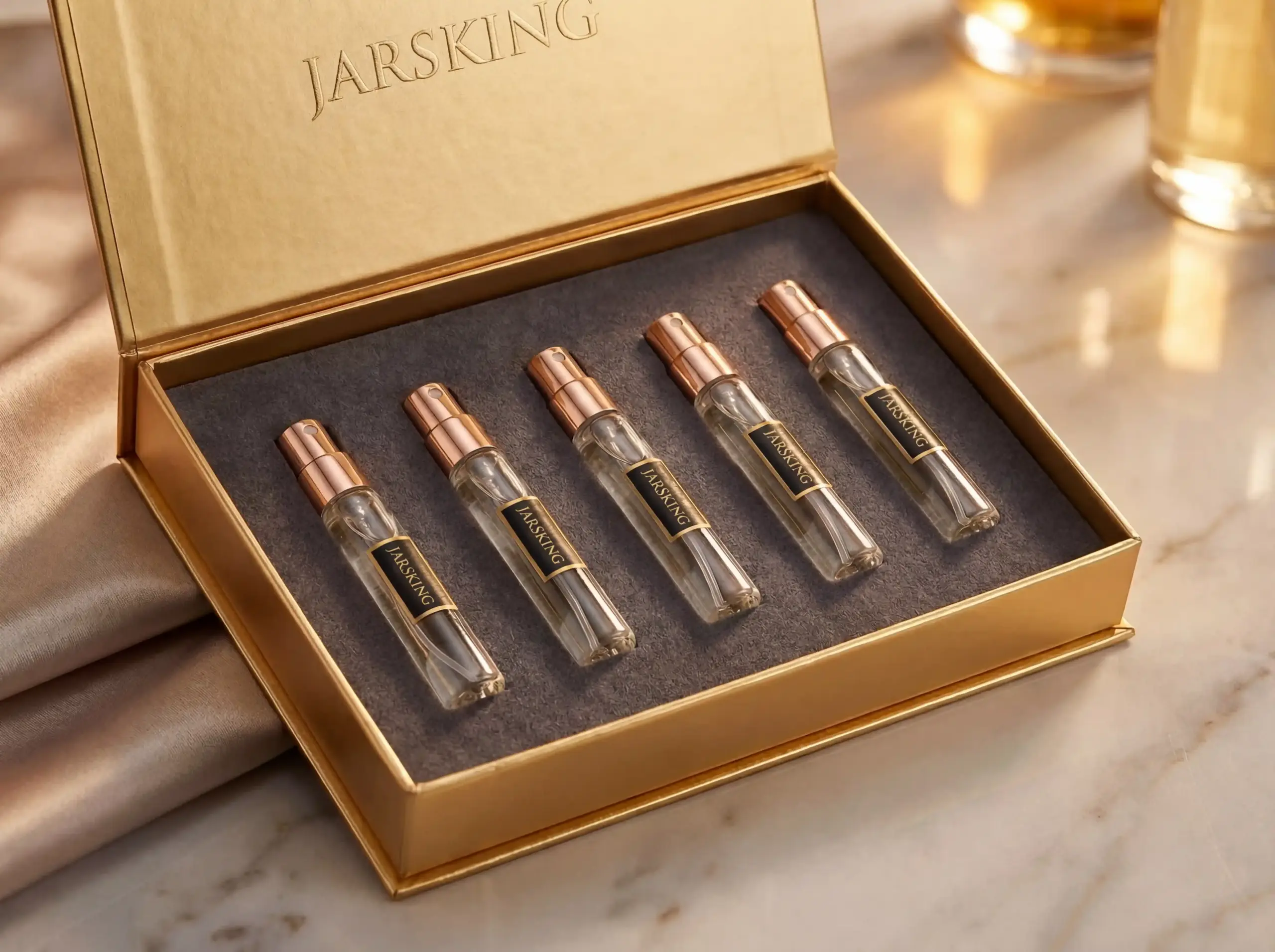
Then there is the visual and social impact. A beautiful discovery set is a joy to open and display. Tiny bottles with distinctive shapes and caps arranged in a thoughtful tray invite photography. Customers love to share their “perfume wardrobe,” their unboxing, or their top three picks on social media. Every time they do, your brand is introduced to new eyes in a genuine, personal way. In that sense, each mini bottle is more than a sample: it’s a little ambassador for your brand in someone’s home and online presence.
5. Working with an OBM Partner: From Supplier to Strategic Collaborator
To unlock the full power of sample bottles and discovery sets, you need packaging that does more than simply hold a few milliliters. It has to carry your brand story, perform reliably in real‑world conditions, and adapt as your business grows. This is where an OBM partner shifts from being a basic supplier to a long term collaborator, starting with a real conversation about who you are, where you sell, and how sampling fits into your growth strategy. Whether you’re an indie house balancing tight budgets with elevated presentation or a larger brand rolling out multi‑channel sampling across ecommerce, retail, and subscription boxes, that upfront alignment ensures every decision-from mold selection to decoration-serves a clear purpose. A thoughtful partner will often recommend starting with stock molds to keep MOQs and timelines manageable, then evolving into private molds and fully custom silhouettes as demand and positioning solidify, following a “start nimble, scale into iconic” path that many specialist perfume packaging providers, including Jarsking, actively encourage for growing brands.
From there, collaboration deepens through the way you work together day to day and over time. Instead of sending a static list of options, a strong OBM partner translates your brief into quick 3D mockups so you can see how vials, minis, and discovery sets sit next to your hero bottles, while their technical team stress-tests every idea for pump compatibility, glass thickness, durability, and line efficiency. Once designs are approved, they act as a control tower through sampling and production—testing prototypes for leaks, spray quality, and finish resilience, then backing everything with real capacity and quality control so the hundred-thousandth vial looks and behaves like the first. As your sampling program runs, they treat customer feedback and performance data as fuel for continuous improvement: if a shape becomes a fan favorite or certain finishes travel better, they help you refine formats accordingly, often building in regular check-ins and reviews so real‑world results guide what comes next. This collaboration model seeing packaging as a shared, evolving project rather than a one off transaction—is exactly the kind of partnership approach that companies like Jarsking endorse and fully support for fragrance brands, because it turns every sample vial, mini, and discovery set into a true frontline growth tool rather than just another component in a box.
6. Turning Sampling into a Repeatable Growth System
When you work with an OBM partner in a holistic way, you’re not simply ordering small bottles; you’re building a repeatable, scalable system for growth that can support your brand for years, not just for a single launch. It usually begins with a discovery and briefing phase where both sides get crystal clear on who you are and what you’re trying to achieve: your brand positioning, your hero fragrances, the customers you most want to reach, and the channels where sampling will live—whether that’s DTC, retail counters, subscription boxes, or influencer seeding. This step is about connecting the dots between marketing goals and packaging reality, and when everyone understands how sampling should support awareness, trial, and conversion, the conversation about formats, budgets, and timelines becomes far more focused and productive, naturally leading into concept and structural design where ideas start taking shape visually and technically.
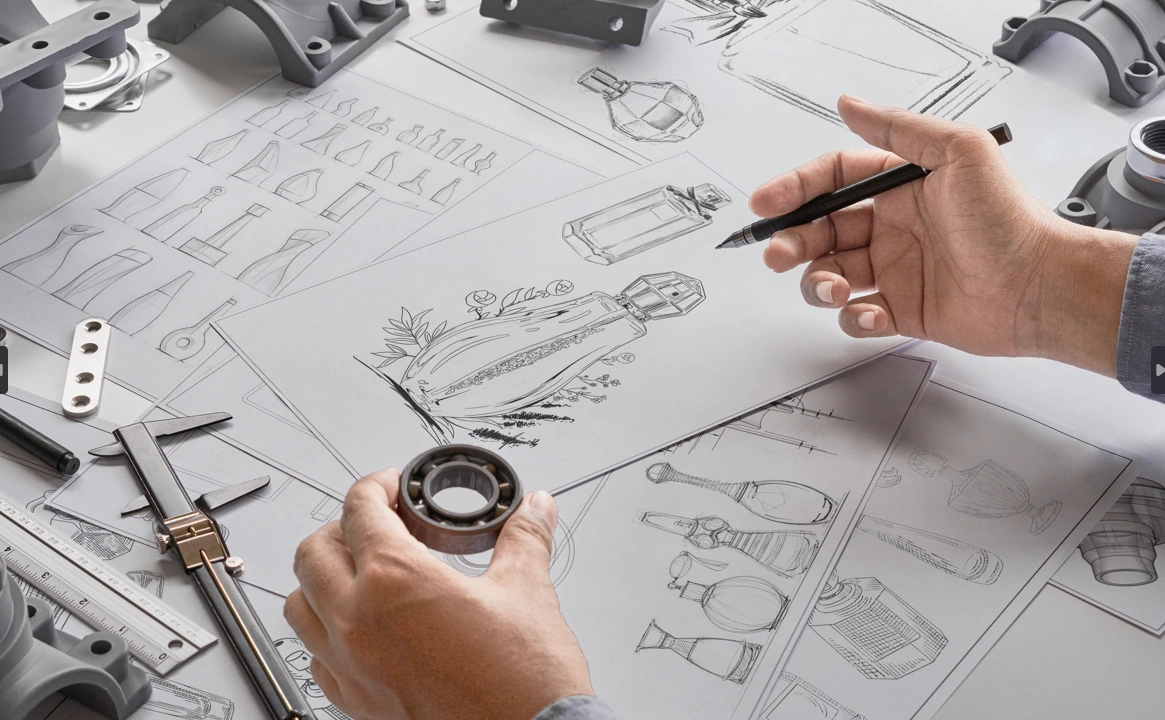
Once that foundation is set, concept and structural design become the bridge between strategy and execution. You explore different vial shapes, sizes, and closures, and see how they look next to your hero bottle and within your broader visual identity, while structural details like neck finishes, glass thickness, and overall dimensions are refined to work seamlessly with your filling and packing lines. From there, you move into concrete choices about materials, finishes, and tactile details—how the glass should feel, how the coating should catch the light, how the atomizer should spray, and how the cap should click into place—so the sample feels right in your customer’s hand and fits naturally into its card, tray, or box. Prototypes then bring all of this into reality, giving you and your team (and sometimes key partners) the chance to spray, open, carry, and test the samples in everyday conditions, and with each wave of feedback the packaging becomes a sharper fit for your scent, your story, and your customers’ lives.
Finally, once the design has been thoroughly tested and validated, mass production and logistics turn that refined concept into something you can ship consistently and at scale. Your OBM partner coordinates bottles, pumps, caps, and secondary packaging so components arrive together and assemble exactly as planned, which means filling runs smoothly, packing is efficient, and the unboxing experience feels coherent whether a customer meets you through a DTC mailer, a retail gift‑with‑purchase, or a curated discovery set. Over time, you build a suite of sampling formats—single vials for broad reach, minis for elevated trial, discovery sets for deeper exploration—that can flex to support new launches, keep hero fragrances in the spotlight, power seasonal campaigns, and help you test new markets, and because they were designed as parts of one system rather than as disconnected one-off projects, they work together naturally to create a seamless experience from first sample to full-size bottle.
7. Conclusion: Small Bottles, Big Impact
At its heart, this shift in how brands view sample bottles is about seeing them for what they truly are: not leftovers or obligations, but one of the most direct, intimate bridges between your brand and your customer. They bring your fragrance out of the abstract and into real life, where it can be worn, tested, and loved. They give hesitant buyers the confidence to commit, and they give you a window into what your audience actually wants. They offer a stage for your packaging design to shine at a smaller, more personal scale, and a canvas for storytelling that fits perfectly into modern discovery habits.
The key themes are simple but powerful. First, treat sampling as a strategic channel, not an afterthought. When you design samples thoughtfully and give them a measurable role in your funnel, they can deliver conversion and loyalty that rivals your other acquisition tactics. Second, see discovery sets and minis as more than formats; see them as experiences. The way you group, present, and narrate them has a huge influence on how customers explore your brand. Third, recognize that you don’t have to build all of this alone. A capable OBM partner can help you translate your vision into packaging that performs beautifully in the real world, from the first concept sketch to the final shipped box.
When you put these ideas together, each tiny bottle stops being just a container and becomes a tool: for storytelling, for data, for long‑term relationships. In a crowded fragrance market, that kind of tool is not a luxury; it’s the edge that can quietly set your brand apart.