

Fragrance packaging is entering a new era in 2026 because it now has to perform three jobs at once: prove a brand is responsible, feel emotionally reassuring, and stand out instantly on a tiny phone screen. Instead of being designed at the end of the process, bottles, boxes, and refills are increasingly decided up front, alongside the brief for the juice itself, as core vehicles for communicating sustainability commitments, wellness positioning, and narrative “world-building.” The choice between a heavy glass bottle and a lighter refillable shell, between foil-saturated cartons and uncoated FSC boards, or between a silent object and one embedded with digital triggers all signal who the brand is and what it stands for before a single note is sprayed.
Shifts in consumer values make this strategic role unavoidable. A growing share of fragrance buyers expect visible efforts to reduce waste, prefer brands that feel calming and wellness-oriented rather than aggressive or hyper-glam, and want their purchases to reflect a coherent aesthetic across body and home. At the same time, e-commerce and social media discovery mean packaging must work as a thumbnail and an unboxing performance: it has to ship safely and lightly, photograph beautifully, and deliver a sensorial moment that feels worth sharing. Layer regulatory pressure on recyclability and labeling into that mix, and packaging becomes a high-stakes design space where materials, formats, and textures are continuously rethought—no longer “just the bottle,” but a primary way to differentiate in a crowded, fast-evolving fragrance landscape.
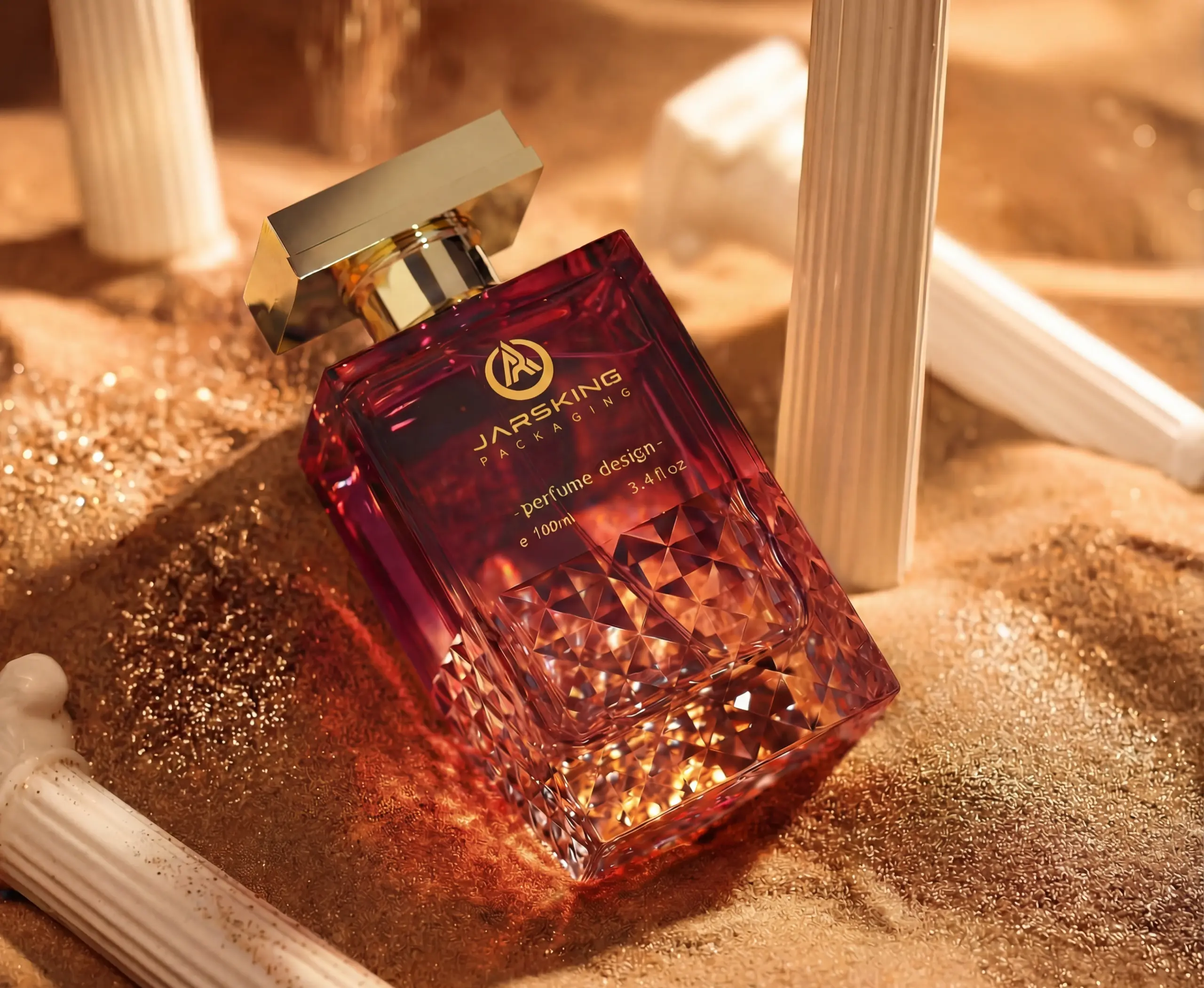
1. Macro forces reshaping fragrance packaging
Fragrance is increasingly framed as a mood tool and wellness ritual rather than a special-occasion accessory, which fundamentally changes what people expect from the objects that hold it. Consumers now look for bottles and boxes that visually communicate calm, safety, and authenticity—through softer palettes, ingredient storytelling, and less gendered design—so that the pack feels like an extension of their broader lifestyle choices, from clean beauty to home rituals. This shift also dovetails with a growing preference for scents that can move fluidly between work, home, and social settings, putting pressure on packaging to feel appropriate on a nightstand, in a tote bag, and on a bathroom shelf.
In parallel, macro pressures around waste and circularity are tightening the parameters of what “good” packaging can be. Discussions about the environmental impact of single-use plastics, pumps that are hard to recycle, and over-engineered decorative elements have migrated from specialist forums into mainstream beauty coverage, making it harder for brands to hide behind vague sustainability claims. Retailers and regulators are beginning to set clearer expectations around recyclability and material reduction, so fragrance packs that cannot be easily refilled, separated, or recycled risk feeling outdated or even irresponsible by 2026.
At the same time, the way people discover and buy fragrance has become intensely visual and digital. With more launches happening online and on social platforms, the “unboxing moment” is now a piece of content in its own right—packaging must protect the product in transit, look compelling in a thumbnail, and deliver a tactile, audible, and visual payoff when opened. Direct-to-consumer brands, in particular, are using outer boxes, tissue, inserts, and even QR-linked experiences as storytelling stages, turning packaging from a static container into a recurring touchpoint in the relationship between brand and wearer.
2. Sustainability and circular design
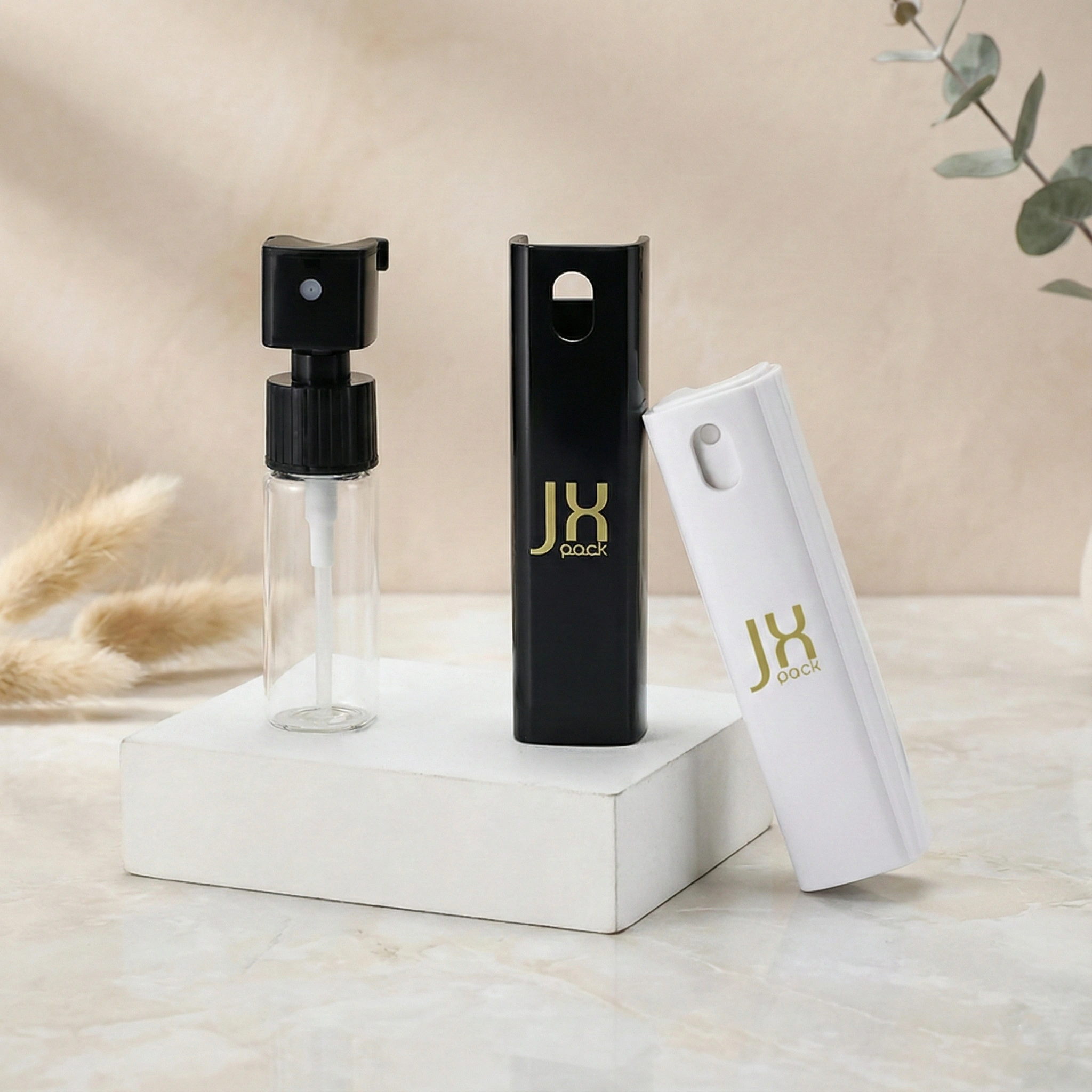
Refillable and circular design is gaining momentum because it solves several problems at once: cost of materials, tightening regulations on packaging waste, and consumer anxiety about “throwaway” luxury. In beauty and fragrance trend reports for 2025–2026, refills are no longer framed as a quirky eco-add-on; they are described as a structural shift toward “keep-forever” outer bottles with lighter, lower-impact refill formats that can be shipped cheaply and disposed of more easily. That logic is extending to minis too: 10–20 ml sprays and travel vials are increasingly designed as part of modular systems—sliding into protective cases, docking into at-home stands, or plugging into refill cartridges—so that even the smallest formats can be topped up instead of endlessly replaced.
For materials, glass still anchors the premium segment because it is widely recycled in many markets and carries strong associations with quality and permanence, but the conversation has shifted from “more glass equals more luxury” to “smarter glass equals better luxury.” Industry analyses highlight two key tactics: boosting the share of post-consumer recycled glass and shaving down wall thickness to cut weight, while using form, proportion, and surface treatment to preserve a sense of heft. Natural-looking details—wooden caps, cork elements, stone or ceramic finishes—signal eco-consciousness, yet sustainability specialists consistently warn that such hybrids must be engineered for easy separation, or they risk being beautiful but unrecyclable. As a result, more brands are experimenting with mono-material caps, bio-based composites, or decorative sleeves that can be removed before the bottle enters the recycling stream.
This is why “design for disassembly” is now showing up explicitly in packaging predictions for 2026. Analysts point to simpler pump assemblies, fewer glued joints, and standardized necks and closures as ways to help consumers and recyclers separate parts without tools. Clear icon systems, QR-linked how-to visuals, and harmonized recycling labels are emerging as trust-building devices, helping shoppers understand what to do with each element and reducing skepticism around green claims. In practical terms, sustainability and circular design are no longer a gloss applied at the end of development—they are becoming the starting constraints that shape everything from bottle geometry to graphic layout, forcing fragrance packaging in 2026 to be not just beautiful, but legible and repairable within a circular system.
3. Wellness, naturals, and biotech ingredients
Fragrance has been steadily migrating from a fashion accessory to a wellness ritual, and packaging in 2026 reflects that shift. Bottles and boxes are increasingly designed to convey calm, safety, and self-care, using soft colors, gentle gradients, and tactile materials that echo skincare rather than traditional “glamour” codes. The growth of essential-oil-forward, aromatherapeutic, and “clean” fragrances encourages brands to adopt matte, stone-like finishes, uncoated boards, and vegetal imagery that evoke nature and simplicity. Outer packaging often foregrounds key botanicals and sourcing stories—whether through illustration or restrained ingredient lists—so the sensory expectations formed by the visuals align with the “natural” promise of the juice.
However, the quest for naturalness is colliding with ecological and supply constraints, pushing biotech solutions into the spotlight. Fermentation-derived and bioengineered aroma molecules allow perfumers to recreate complex notes while reducing pressure on fragile ecosystems and volatile agricultural supply chains. Packaging is likely to become an educational medium for these innovations, with clearer references to “biotech-crafted,” “lab-grown,” or “next-gen natural” ingredients presented as ethical, future-proof options rather than synthetic compromises. Visual codes may blend apothecary and laboratory aesthetics—precise typography, simple diagrams, and clean labels—to reassure consumers that scents can be both nature-inspired and scientifically optimized.
This dual pull toward both nature and science opens up new storytelling space in 2026. Some brands may emphasize slow ritual and holistic wellness, using refillable ceramic or glass objects designed to live on nightstands and meditation corners, reinforcing calm and continuity. Others may foreground biotech prowess through sleek, almost clinical packaging supported by digital explainers accessible via codes on the pack, reframing innovation and traceability as new forms of luxury. The most coherent approaches will make consumers feel that choosing a particular bottle is an act of care—for themselves and for the planet—without losing the emotional excitement that makes fragrance compelling.
4. Aesthetic trends: minimalism to sculpture
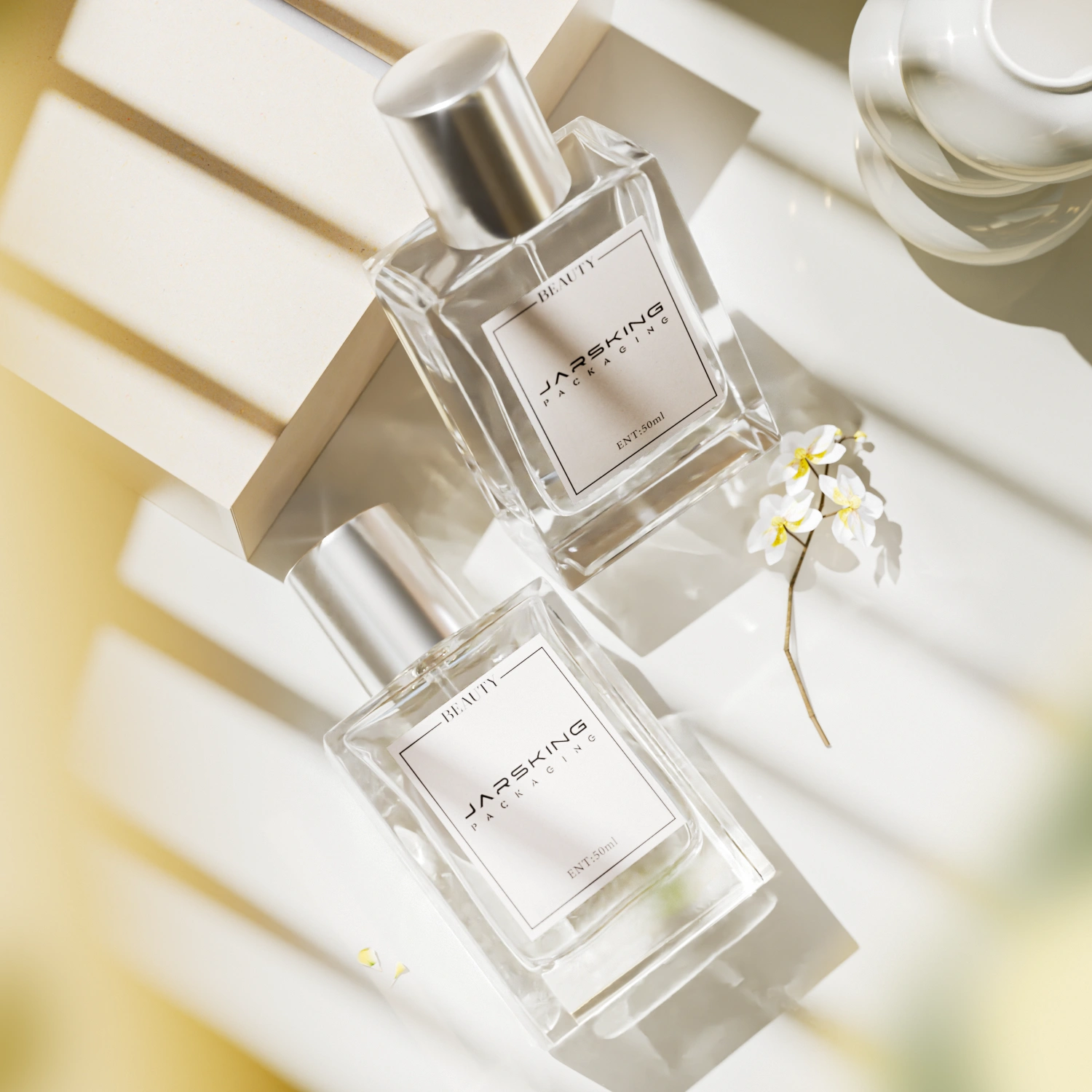
Minimalism is set to remain the visual default for 2026 fragrance launches, but it will sit alongside a smaller, more theatrical family of sculptural statement bottles in the niche and luxury tiers. The “clean” look—simple geometry, plenty of negative space, careful but quiet typography, and clear glass that lets the juice color do most of the talking—mirrors broader beauty and skincare trends that favor understated, almost clinical codes over flashy ornament. This kind of restraint also dovetails neatly with sustainability and “nothing to hide” narratives: when a bottle is visually uncomplicated, it is easier for brands to communicate recyclability, ingredient stories, or refillability without fighting against loud decoration.
Within this minimalist frame, tactility and nostalgia are strong countercurrents. Designers are leaning on frosted finishes, ribbed and fluted profiles, stone- or ceramic-like textures, and natural-looking wood caps to create a sense of warmth and craftsmanship that a bare cylinder of glass cannot achieve on its own. Vintage references—bulb atomizers, apothecary-style shoulders, archival label grids—are being reinterpreted with lighter walls and simplified components so they evoke heritage without replicating the heavy, material-intensive builds of the past. The result is a quiet tension between contemporary minimalism and comforting retro cues, with texture doing much of the emotional storytelling.
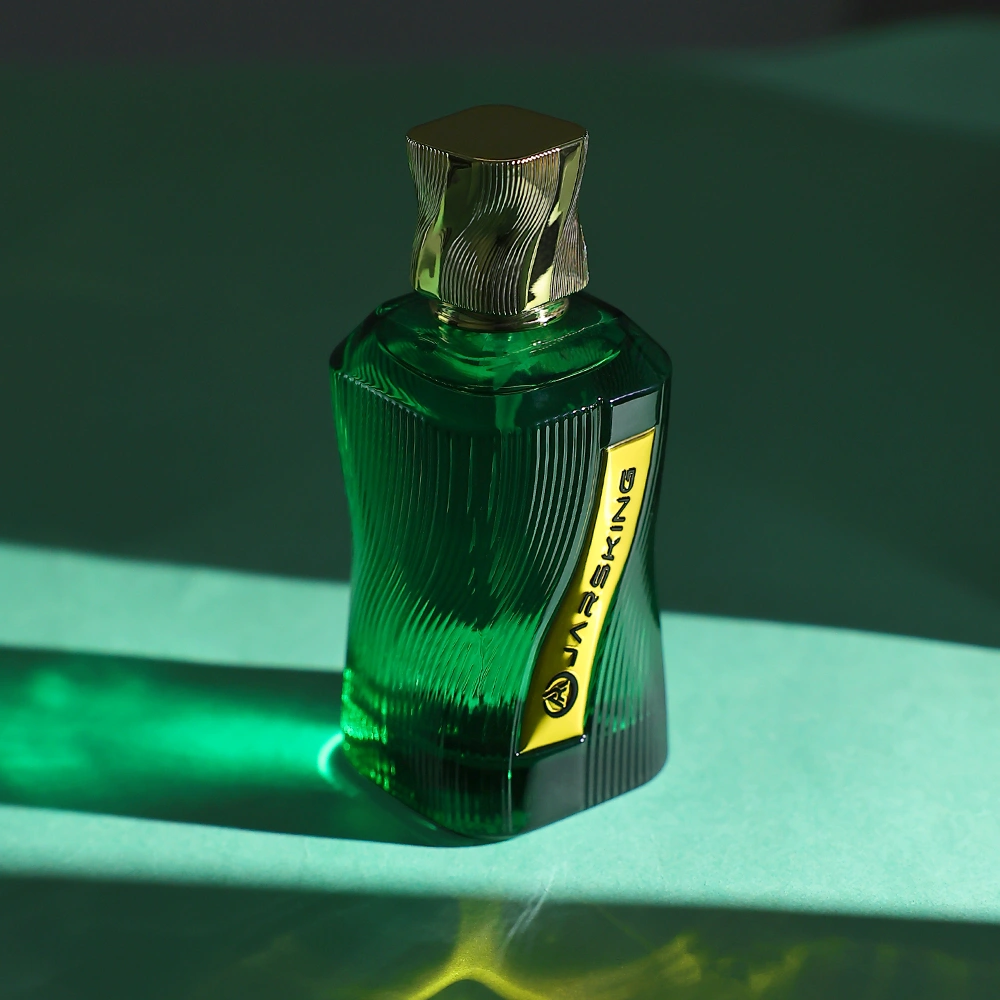
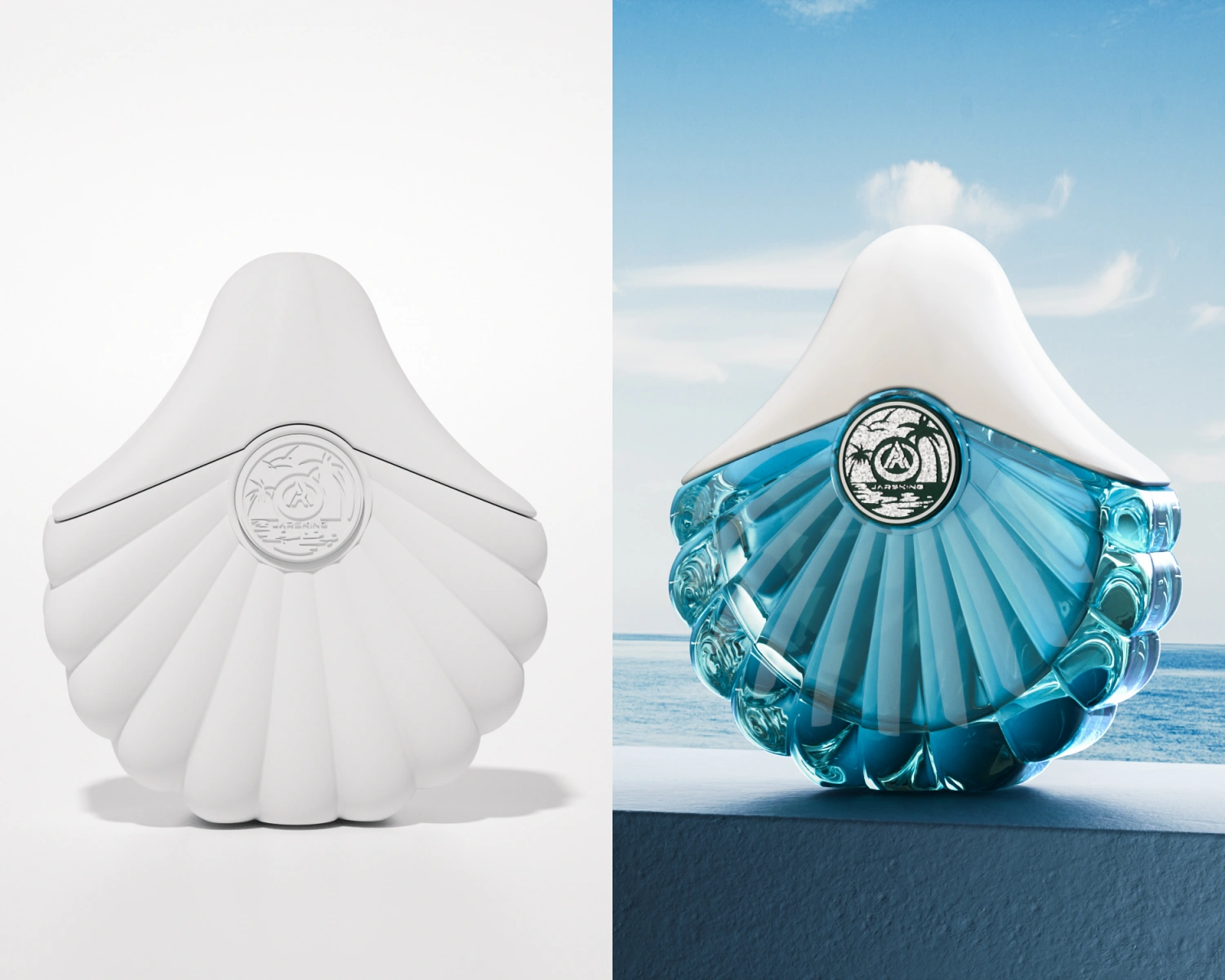
At the very top of the market, bottles remain deliberately collectible—functional sculptures intended to live on vanities and sideboards long after the last spray. Collaborations with fashion designers, artists, and industrial designers produce caps that look like jewelry, asymmetric silhouettes, and objects that read as art as much as packaging, reinforcing exclusivity and price positioning. To keep this from clashing too sharply with environmental expectations, more of these expressive flacons are being engineered as outer “shells” around simpler inner vials, so the dramatic form can stay in circulation while the fragrance core is refilled or swapped. In 2026, aesthetic leadership in fragrance will come from brands that can navigate this spectrum gracefully—using minimalism to signal clarity and care, tactility to convey emotion, and sculpture to punctuate their range with pieces that genuinely earn their place as long-term objects.
5. Smart, connected, and data-driven packaging
Digital layers are increasingly woven into the packaging experience, especially for brands that sell directly to consumers and want richer data and engagement. Smart elements such as NFC chips or scannable codes can help authenticate products, discourage counterfeiting, and eventually enable usage tracking or tailored replenishment reminders. While high-tech components still add cost, they are likely to appear first in prestige or DTC lines where lifetime value and first-party data capture justify investment.
More immediately, simple tools like QR codes are giving bottles and boxes a role as entry points into expanded brand worlds. Scans can unlock ingredient sourcing stories, interviews with perfumers, styling and layering tips, or even playlists and soundscapes that match the mood of the scent. This kind of dynamic content helps maintain minimal, uncluttered packaging while still giving curious consumers access to rich storytelling, loyalty programs, and exclusive drops in the digital realm.
As personalization grows, packaging will also need to support more flexible, data-driven approaches to production. Short-run digital printing and, in some cases, 3D-printed elements make it possible to test different graphics, colors, or formats tailored to specific communities or regions without committing to huge volumes. Variable data printing can enable limited micro-personalizations—names, dates, zodiac signs, or numerology codes—at relatively low cost, helping brands tap into gift and collector markets without building bespoke tooling for each variation.
6. Sensorial packaging and “feel-first” design
Sensorial, “feel-first” design is emerging as one of the quiet power levers in fragrance packaging because it shapes how expensive, intimate, and trustworthy a scent feels before the wearer has even registered the notes. Subtle details—the way glass curves into the palm, the transition from cool glass to a slightly toothy label, the reassuring resistance of a well-engineered cap, the softness and spread of the mist—create a micro-sequence of sensations that people instinctively associate with craftsmanship and care. As brands work with lighter, more material-efficient structures, these micro-sensations become even more important: they allow a bottle to feel “substantial” and luxurious without relying on sheer mass, using calibrated tolerances, micro-textures, and sound design (the click, the whoosh, the snap) to deliver a premium impression.
This push toward sensorial refinement is happening alongside a reconsideration of what physical “luxury” should look and feel like in a world of carbon budgets and ergonomic expectations. Designers are experimenting with ways to fake heft through optical tricks—wider shoulders, thicker bases that don’t extend across the entire profile, sculpted recesses—and with surfaces that invite touch, like soft-touch coatings, satinized glass, and delicate ribbing that improves grip as well as mood. At the same time, conversations around accessibility in packaging are seeping into fragrance: easier-to-grasp caps, clearer affordances (where and how to pull, twist, or press), and mechanisms that don’t require excessive force help more people use the product comfortably, aligning sensorial pleasure with inclusivity rather than exclusion.
7. Packaging as a full atmosphere
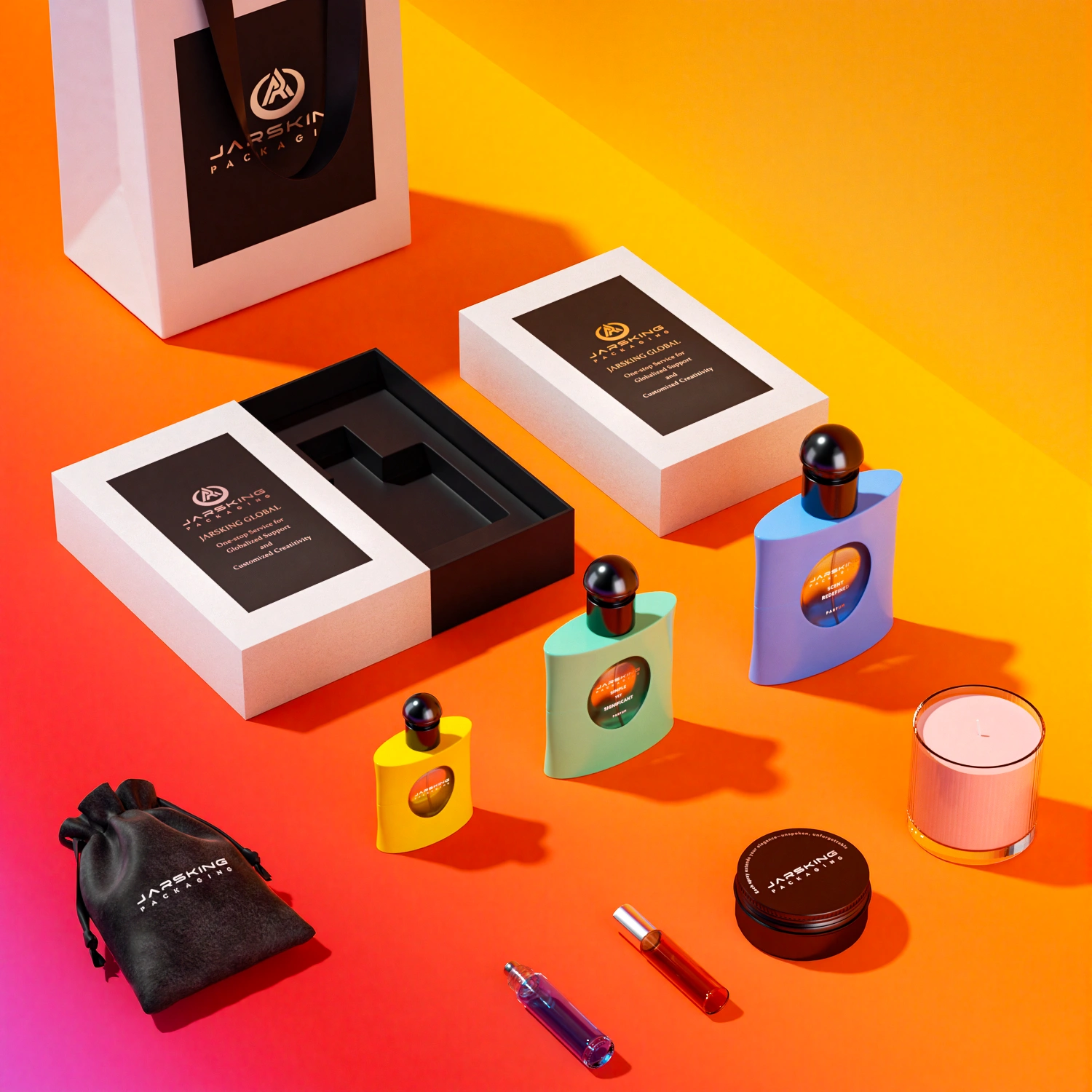
Fragrance is increasingly understood as something that shapes environments rather than just bodies, and packaging is starting to reflect that broader scope. Consumers often build scent wardrobes that span personal perfumes, hair mists, candles, diffusers, fabric sprays, and car or office fragrances, and they want these products to feel like parts of a cohesive whole. In response, brands are developing coordinated packaging systems: shared bottle silhouettes across multiple formats, candle vessels that echo perfume flacons, and reed diffusers that reuse caps and label grids from the main range. This creates a unified “atmosphere” that can permeate a home or routine while reinforcing brand recognition at every touchpoint.
The idea of packaging as atmosphere extends into structure and tactility. Instead of treating outer boxes as disposable shells, some brands are designing sliding, folding, or nesting constructions with pleasing motions and textures that turn unboxing into a small performance. Inner trays, lids, and stands may be designed for reuse as decorative objects, storage, or display, encouraging consumers to keep pieces in their space rather than discarding them immediately. This supports both memorability and sustainability by extending the life of packaging components as part of the domestic environment.
Digital and audio layers can further expand the ambient experience. A simple code or chip on the packaging can trigger soundscapes, playlists, or short films that mirror the fragrance’s mood, turning the act of spraying or lighting a candle into a more immersive ritual. Discovery sets are especially ripe for this approach: each miniature can be linked to its own micro-world of visuals and sound, making the box a gateway to multiple atmospheres rather than a static collection of small bottles. For brands, this not only deepens emotional engagement but also creates more compelling, shareable content in an attention-scarce landscape.
8. Format innovation and new use cases
The landscape of formats is diversifying, and packaging has to accommodate new habits and constraints. Travel-friendly minis, rollerballs, and on-the-go sprays remain important, especially as consumers seek variety and layerable combinations without committing to large bottles. These small formats are increasingly treated as premium objects in their own right, with protective cases, refillable cartridges, and coordinated graphics that make them feel like part of the main line rather than an afterthought.
Alternative formats, including solid perfumes, oils, and advanced emulsions, bring distinct packaging challenges and opportunities. Balms in tins, sticks, or compacts need to look chic while remaining hygienic and easy to use; oils and high-concentration drops require precise dosing and leak-proof closures. As these formats gain traction, especially among wellness-oriented consumers and travelers, brands are experimenting with modular sets that combine sprays, solids, and home scent formats under a unified visual system.
Home fragrance continues to grow, blurring the line between interior design and perfumery. Candle jars, diffuser vessels, and room-spray bottles are more often designed as decor objects, with forms and colors that complement contemporary interiors. Refillability is increasingly considered from the outset, with refill cartridges, wax inserts, or multi-use jars that can live on as glasses or containers after the initial product is used, reinforcing the shift toward long-lived, atmospheric packaging ecosystems.
9. Market segments and brand strategies
In prestige and niche segments, packaging is closely tied to storytelling, craftsmanship, and scarcity. Many houses are streamlining their ranges to focus on fewer, more distinctive scents, allowing more investment in sculptural bottles, high-quality decoration, and carefully considered refill systems. Limited editions, artist collaborations, and numbered runs use packaging as a key storytelling tool, but the most thoughtful examples now aim to marry collectability with reusability rather than creating short-lived objects.
Mass and “affordable luxury” brands face a different set of pressures, needing to deliver strong shelf and screen impact at tighter cost and with greater regulatory scrutiny. For these players, simplified structures, lighter materials, and effective graphics are essential, with eco-messaging and recyclability becoming visible differentiators at mainstream price points. Small refillable formats and clear sustainability badges can help reassure cost-conscious shoppers that they are making responsible choices without sacrificing scent variety or style.
Indie and DTC brands often treat packaging as a canvas for bolder experimentation. Bright color blocking, unconventional silhouettes, zine-like inserts, and playful typography help these brands stand out in feeds and foster close-knit communities. Because they typically iterate faster, they are also well positioned to test new materials, smart features, or artist collaborations in small runs, influencing broader trends as bigger players adopt the ideas that resonate.
10. Innovation pipeline and materials to watch
Advances in printing, decoration, and 3D technologies are opening new doors for fragrance packaging. Digital printing on glass and paper allows intricate graphics, gradients, and metallic effects without the waste and inflexibility of traditional techniques, making it easier to execute small batches or regional variants. 3D-printed caps or decorative elements can deliver highly customized shapes and textures with less tooling investment, ideal for limited editions or collaboration pieces.
In parallel, research into controlled-release scent systems and encapsulation may eventually find its way into packaging-related accessories. Stabilizing volatile aroma compounds in microcapsules can extend their presence in applications like scented inserts, labels, or companion objects that maintain a subtle fragrance over time. While still emerging, such technologies hint at future packaging that plays a more active role in how scent is experienced in and around the product.
Bio-based and upcycled materials are another frontier. Fibers and biopolymers derived from agricultural byproducts or renewable sources can be used in cartons, molded inserts, or decorative elements, linking packaging stories with broader bioeconomy narratives. Combined with the growing use of upcycled fragrance ingredients, these materials could underpin “from waste to wonder” positioning, where both juice and packaging embody circular design at multiple levels.
11. Strategic takeaways for 2026 packaging
By 2026, the most compelling fragrance packaging will likely be those that reconcile four key imperatives: simplicity, circularity, sensoriality, and connectivity. Simple structures and clean visuals help reduce material complexity and make recycling or refilling intuitive, while circularity-oriented decisions—refills, recyclability, and durable components—address both regulatory pressure and consumer expectations. Sensorial richness, from tactility to sound and digital layers, ensures that lighter or more minimal packages still feel memorable and emotionally engaging. Connectivity via codes or chips allows storytelling and services to grow over time without locking design into static layouts.Balancing luxury, practicality, and responsibility will remain an ongoing challenge. Brands that embrace life-cycle thinking—evaluating sourcing, production, transport, use, and end-of-life together—can better decide where to invest in weight, decoration, and technology, and where to pare back. Thinking of packaging not as a disposable wrapper but as part of an evolving, multi-sensory ecosystem—spanning body, home, and digital touchpoints—will position fragrance brands to thrive in a market where values, experiences, and aesthetics are increasingly intertwined.
12. Conclusion
In the end, the future of fragrance packaging will be written less in glass weights and pigment codes, and more in the quiet choreography of daily life. Imagine a morning where your “forever” bottle has outlived three jobs and two apartments, its surface softened by years of use, refilled at a neighborhood station that knows your preference before you speak. A flick of the cap releases not just scent but a familiar soundscape in your headphones, while the candle on your desk shares the same visual language, the same notes, the same small promise that your space can feel a little more like you.
What is radical about 2026 is not some sci-fi gadget hidden in a flacon, but the idea that packaging can be both invisible and unforgettable—light on the planet, light in the hand, and heavy with meaning. The brands that will matter most are those that design with this scene in mind: the bottle as ritual object, the box as doorway, the refill as quiet act of optimism about tomorrow. Beyond the bottle, in all the moments before and after a spray, is where the next era of fragrance will actually be experienced—and where the most exciting design work is only just beginning.