
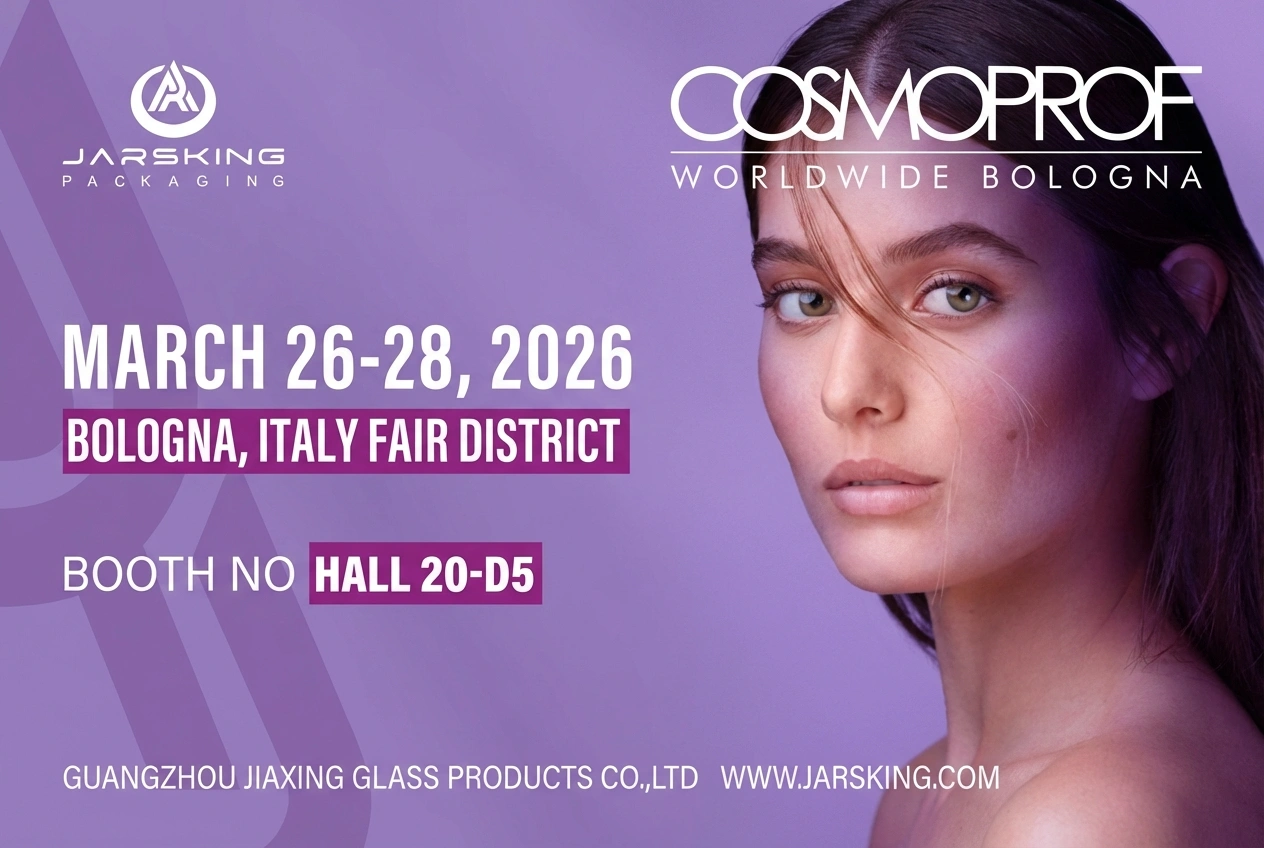


The beauty industry stands at a critical crossroads. On one side lies a century of tradition that equates substantial weight with premium quality—the psychological association between hefty glass bottles and luxury that has defined fragrance packaging since the dawn of modern perfumery. On the other, mounting environmental pressures, escalating transportation costs, and shifting consumer values demand radical material reduction. At Cosmopack Bologna 2026, scheduled for March 26-28 at BolognaFiere Exhibition Centre, this tension between prestige and pragmatism will not merely be discussed—it will be engineered, prototyped, and ready for sourcing.
This exhibition arrives at a pivotal moment when the global fragrance market, projected to reach $64.47 billion in 2026, must reconcile luxury positioning with sustainability imperatives. The solution emerging across Cosmopack’s halls isn’t a compromise between these forces—it’s a fundamental reconceptualization of what luxury means in the material age.
1. The Psychology of Weight: Understanding Consumer Perception
For generations, perfume brands have deliberately added weight to packaging through thick glass walls, heavy caps with concealed ballast, and multi-part constructions designed to maximize heft. This wasn’t arbitrary design choice—it was strategic manipulation of consumer psychology. When shoppers lift a perfume bottle, they unconsciously process weight as a proxy for value, quality, and authenticity.
Luxury fragrance houses understood this principle intuitively. Heavy glass bottles signal permanence, craftsmanship, and the substantial investment required to create both the vessel and its contents. The thick bottom slab common in premium bottles serves dual purposes: structural stability and the concentrated weight that registers immediately in a consumer’s palm. Some manufacturers even incorporate metal or resin inserts into bottle bases and shoulders specifically to increase perceived value without altering external dimensions.
This weight-equals-luxury equation has driven packaging design for decades. High-density polypropylene caps, deliberately thickened walls, and ballast weights hidden in multi-part constructions have become standard industry practice. The result: perfume packaging that often weighs significantly more than necessary for structural integrity or product protection.
However, this paradigm is collapsing under converging pressures. Transportation costs scale directly with weight—every gram multiplies across global distribution networks, impacting both profitability and carbon footprint. More significantly, sustainability has transitioned from marketing narrative to consumer expectation. The luxury consumer of 2026 increasingly views excessive material use not as a sign of quality but as evidence of outdated values and environmental indifference.
2. Cosmopack 2026: The Epicenter of Material Innovation
Cosmopack represents far more than a traditional trade exhibition. As the leading international event focused on the entire beauty supply chain—raw materials, ingredients, contract manufacturing, packaging, and processing machinery—it functions as the industry’s primary innovation laboratory. The exhibition’s integrated structure, connecting packaging halls with ingredient zones and manufacturing technology displays, enables the systemic thinking essential for material transformation.
The 2026 edition occupies Halls 15, 15A, 18, 20, and 28, creating a connected ecosystem where brand owners can examine lightweight glass bottles, explore compatible fragrance formulations, and assess filling automation capable of handling thinner materials—all within a single venue. This comprehensive approach reflects the reality that lightweight prestige isn’t achieved through isolated innovations but through coordinated supply chain solutions.
Cosmopack attracts a uniquely qualified audience: R&D professionals seeking formulation ideas, product developers sourcing manufacturing partners, brand owners exploring full-service solutions, and trend scouts identifying emerging industry directions. These professionals don’t arrive seeking incremental improvements—they’re pursuing transformative solutions to the weight-luxury-sustainability equation that defines contemporary packaging challenges.
The exhibition’s emphasis on “quality, functionality, and sustainability” acknowledges that these attributes are no longer trade-offs to be balanced but integrated requirements to be simultaneously achieved. Lightweight prestige embodies this integration: it’s quality expressed through thoughtful design rather than material mass, functionality enhanced through engineering rather than thickness, and sustainability achieved through intelligence rather than compromise.

3. Glass Innovation: Thinner Walls, Stronger Perceptions
Glass remains the gold standard for premium fragrance packaging, prized for its inertness, transparency, recyclability, and the unmistakable clarity it lends to visual presentation. Yet traditional glass bottle manufacturing has prioritized thickness as insurance against breakage and as the primary mechanism for weight generation. Cosmopack 2026 showcases a dramatically different approach.
Advanced Thinning Technologies
Leading Italian glass manufacturers are demonstrating bottles that reduce wall thickness by 20-40% while maintaining structural integrity equivalent to traditional designs. The Calaso Linden Lightweight series exemplifies this evolution: through careful engineering of bottle geometry and strategic thickness distribution, these bottles achieve up to 40% weight reduction without compromising aesthetic appeal or robustness.
This isn’t merely about making glass thinner uniformly—it’s about understanding stress distribution and concentrating material where structural demands require it. Advanced finite element analysis enables designers to identify which areas can safely be thinned and which must remain reinforced. The result: bottles that feel substantial in areas consumers touch while minimizing material in hidden structural zones.
Ultra-thin glass technology, already achieving 30-50 micrometer thickness in specialized applications, demonstrates the theoretical limits of glass thinning. While perfume bottles don’t require such extreme reduction, the techniques developed for ultra-thin glass—precise chemical etching, controlled cooling processes, and uniform substrate preparation—are being adapted to produce mainstream bottles with thinner walls and optimized material distribution.
Strategic Weight Distribution
Rather than uniform thickness reduction, leading designers are employing strategic weight distribution: concentrating glass mass in visible, tactile areas—bases, shoulders, decorative elements—while thinning hidden structural components. This approach maintains the perception of substantiality precisely where it matters most to consumer experience.
A perfume bottle with a thick bottom slab delivers immediate weight sensation when lifted, creating the psychological association with quality, even if the body walls are significantly thinner than traditional designs. Weighted bottoms can be achieved through molded glass bases that add mass specifically at the foundation without increasing overall bottle volume. This targeted approach delivers the hand-feel luxury consumers expect while reducing total glass usage by 20-30%.
The Mono-Material Advantage
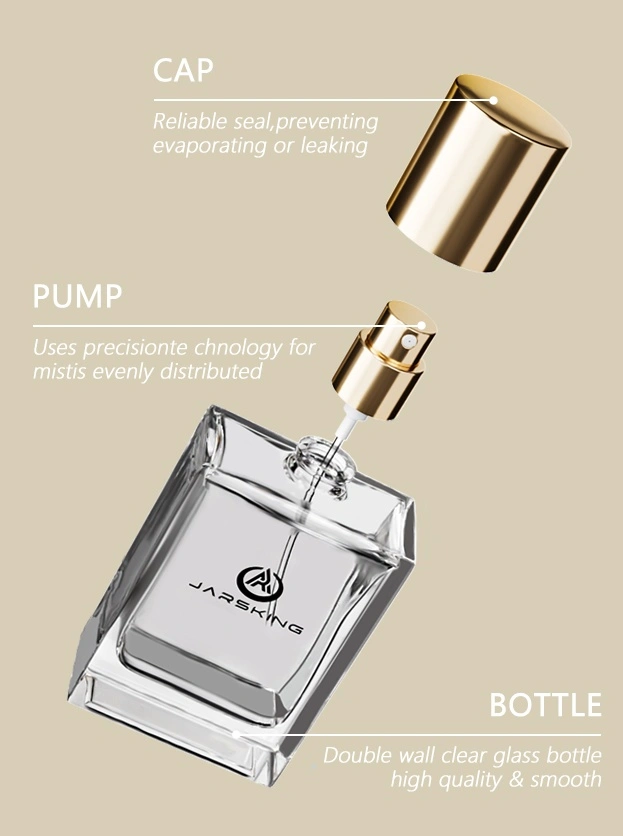
Traditional glass bottle assemblies often combine multiple materials: glass bodies, plastic pumps, metal springs, rubber seals. This multi-material construction complicates recycling and increases overall weight. The trend toward mono-material glass systems—where caps, pumps, and even decorative elements use glass or single-polymer alternatives—enables complete recyclability while reducing unnecessary weight layers.
All-glass pump systems, while requiring precise engineering to ensure functionality, eliminate the metal components traditionally used in spray mechanisms. Similarly, glass caps that incorporate minimalist threading eliminate the need for heavy plastic or metal closures. These solutions align with circular economy principles while supporting the lightweight prestige objective.
4. Alternative Materials: Beyond Traditional Glass
While glass maintains its premium positioning, Cosmopack 2026 demonstrates how alternative materials are achieving luxury aesthetics previously reserved for traditional formats.
High-Performance Acrylics
Recycled and recyclable acrylic has emerged as a lightweight alternative capable of matching glass clarity while offering significant weight advantages. Modern acrylics feature light refraction properties that create visual depth and optical complexity comparable to thick-cut glass. Surface treatments—polishing, texturing, gradient effects—enable premium finishes that elevate acrylic from utilitarian plastic to luxury material.
The modular design possibilities enabled by acrylic represent another advantage: snap-together constructions that allow easy disassembly for recycling reduce overall material requirements while maintaining structural quality during use. These systems address both end-of-life recyclability and initial material efficiency.
Crucially, acrylic’s lower density means equivalent volumes weigh substantially less than glass, delivering immediate transportation savings and carbon reduction. For brands distributing globally, this weight difference compounds across millions of units, translating to measurable environmental and economic impact.
Engineered Composites and Hybrid Systems
Some exhibitors are presenting hybrid constructions that combine materials strategically: glass bodies for product contact and visual clarity paired with lightweight polymer caps and closures. These systems deliver the premium glass aesthetic consumers expect while reducing overall weight through lighter secondary components.
Internal insert technologies—metal or resin elements incorporated into bottle bases or shoulders—enable weight illusion without full-body thickness increases. These inserts add concentrated mass at specific touchpoints while keeping overall material volume controlled. The technique mirrors ballast strategies traditionally used to increase weight but inverts the objective: adding minimal material precisely where it creates maximum perceived value.
5. Decoration Innovation: Creating Luxury Through Surface, Not Mass
When material weight decreases, surface treatment quality becomes correspondingly more critical. Cosmopack 2026 showcases decoration technologies that create tactile and visual luxury compensating for reduced material mass.
Advanced Finishing Techniques
Exhibition halls feature comprehensive demonstrations of finish combinations designed for rapid prototyping under real-world conditions: frost, etch, ink, foil, satin gold, UV spot, soft-touch coatings, and matte lamination. These treatments transform base materials into premium surfaces through layered complexity.
Critical to these demonstrations is testing under retail lighting conditions and for photographic rendering. A finish that appears luxurious in controlled showroom lighting may read flat under the harsh fluorescent illumination common in retail environments or may fail to photograph compellingly for e-commerce and social media. Cosmopack exhibitors understand that contemporary packaging must perform across multiple contexts—physical retail, digital commerce, and social media sharing—requiring decoration that maintains premium appearance across varied lighting and photography conditions.
Hand-polished effects, textured surfaces simulating organic materials, and gradient colorations that hint at fragrance profiles represent specific decoration trends visible throughout the exhibition. These techniques create visual and tactile interest that compensates for reduced material mass while supporting brand storytelling and product differentiation.
6. Refillable Systems: The Ultimate Lightweight Strategy
Refillable perfume systems represent perhaps the most radical approach to lightweight prestige: a permanent, substantial luxury object paired with dramatically lighter refill cartridges that eliminate repeated material consumption.
The Engineering Challenge
Designing reliable refill mechanisms proves significantly more complex than creating traditional single-use packaging. The permanent component must withstand repeated disassembly and reassembly without degrading structural integrity or aesthetic appeal. Pump systems must function reliably through 15-25 or more refill cycles without leakage, clogging, or performance deterioration.
Berlin Packaging’s AirLight Refill system, prominently featured at Cosmopack 2026, exemplifies engineered refillability. This airless system uses recyclable plastics and post-consumer recycled PET, with pump mechanisms designed for up to 25 refills. The engineering achievement lies in maintaining consistent product delivery—spray pattern, droplet size, pressure—across the entire lifecycle while ensuring hermetic sealing that preserves fragrance integrity.
Neck finish compatibility presents another technical hurdle. For refill systems to achieve market scale, standard threading and closure specifications must enable interchangeability across brands and products. Some manufacturers are exploring proprietary refill cartridges that snap into permanent bases through magnetic closures or twist-lock mechanisms, sacrificing universal compatibility for enhanced user experience and leak prevention.
The Economics of Refillability
Refillable systems transform the weight equation: brands invest in one heavy, premium permanent bottle while selling lightweight refills for subsequent purchases. This approach maintains luxury positioning—the permanent bottle can be substantially heavier and more ornate than economically feasible for single-use packaging—while dramatically reducing lifetime material consumption and transportation costs.
Berlin Packaging’s expanded Foamy line demonstrates how refillability scales across product sizes. Travel-size formats (30 and 50 ml) with wide-neck designs enable easy reuse and compatibility with recyclable Sashi pouches. These pouches minimize packaging material and transportation emissions compared to traditional rigid refill bottles, representing a nested approach to lightweight design.
Consumer adoption remains the critical variable. Refillability succeeds only when users actually refill rather than replacing entire units. This requires systems that make refilling genuinely convenient—no spills, no complexity, no mess—while delivering psychological satisfaction comparable to purchasing a completely new product. Smart pump technologies that track usage and notify users when refills are needed could enhance convenience and engagement, transforming refilling from chore to ritualized experience.
7. Minimalist Design: When Less Material Communicates More Value
Geometric minimalism represents another aesthetic strategy for lightweight prestige. This design philosophy, inspired by figures like Dieter Rams, emphasizes clarity, functionality, and material honesty over decorative complexity.
The Aesthetic of Restraint
Blocky shapes, sharp lines, muted color palettes, and typography-focused branding communicate material efficiency as intentional design choice rather than cost-cutting compromise. When a bottle is visibly thinner, transparently lighter, or obviously streamlined, minimalist design frames these characteristics as sophisticated restraint rather than deficiency.
This approach particularly resonates with environmentally conscious luxury consumers who view conspicuous consumption skeptically. For these buyers, excessive packaging signals unsustainable values; thoughtful material efficiency signals progressive brand identity and authentic environmental commitment.
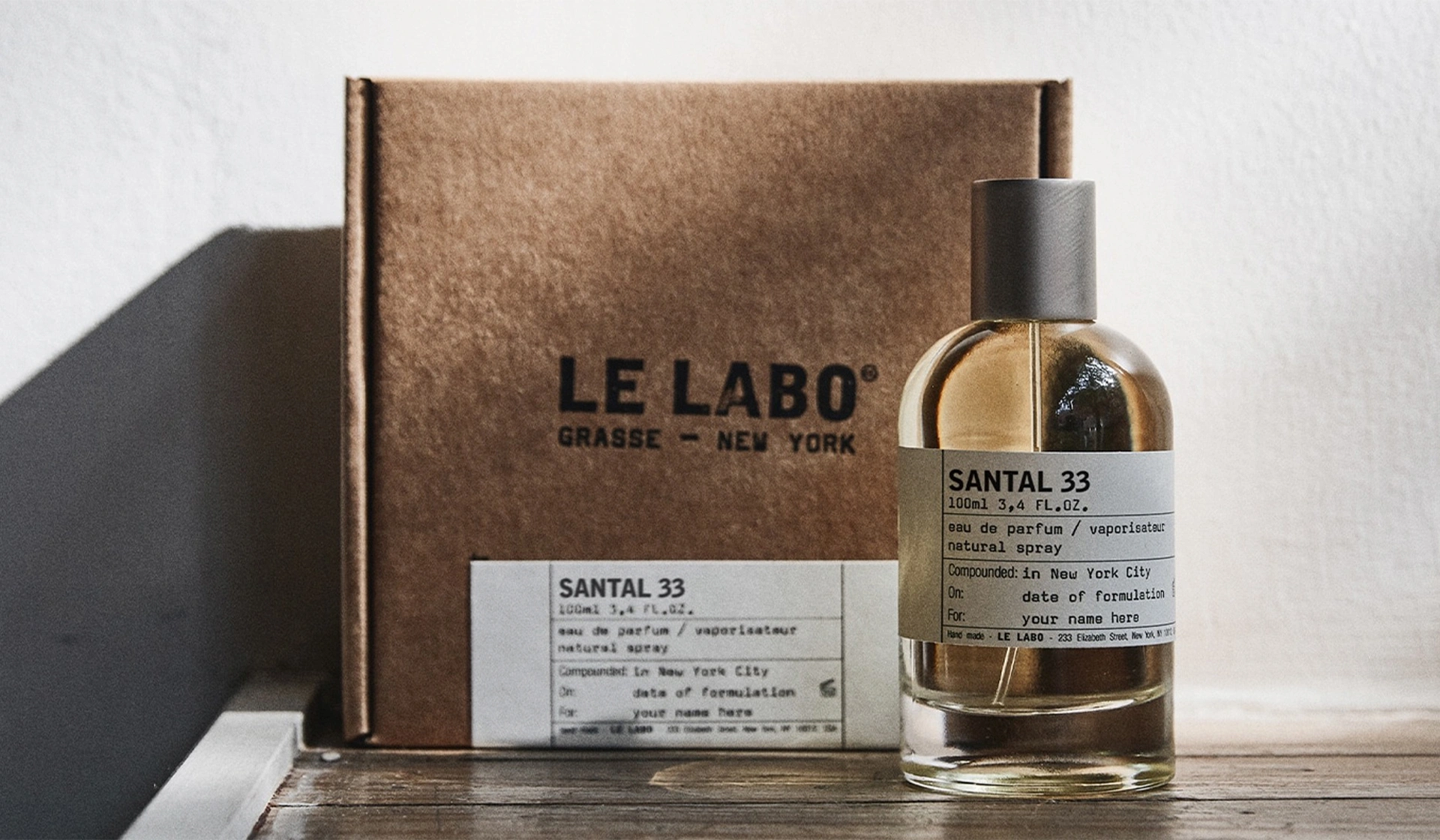
Leading fragrance brands like Le Labo exemplify this philosophy: thick glass bottles paired with minimal kraft paper secondary packaging demonstrate that luxury can coexist with material restraint. Grandiflora’s transparent minimal designs celebrate the fragrance itself rather than packaging mass. Jo Malone London’s rectangular bottles prove that sleek geometry conveys premium positioning without requiring excessive weight.
Architectural Packaging
Abstract sculptural forms—asymmetrical prisms, organic curves inspired by natural objects, geometric constructions referencing architecture—draw attention to design sophistication rather than material quantity. When a bottle functions as décor-worthy object, its value proposition shifts from “expensive materials” to “compelling design”.
This décor-able packaging trend aligns perfectly with lightweight prestige objectives: bottles designed to remain on display after product consumption justify their premium pricing through aesthetic longevity rather than material mass. A lighter bottle that consumers treasure as art object delivers more value than a heavier package destined for immediate disposal.
8. Sustainable Materials: When Eco-Credentials Enhance Prestige
Cosmopack 2026’s emphasis on sustainability technologies acknowledges that environmental credentials increasingly function as luxury signals rather than compromises.
Ocean Waste Plastic and Post-Consumer Content
Ocean Waste Plastic (OWP), featured prominently in the exhibition’s sustainability showcase, demonstrates that cosmetic packaging can comprise 20-100% ocean waste plastic while meeting the shape, color, and tolerance requirements of luxury brands. This challenges the persistent assumption that virgin materials are necessary for premium positioning.
Post-consumer recycled (PCR) content in both glass and plastic packaging similarly enables brands to reduce virgin material consumption while maintaining—or even enhancing—luxury perception among environmentally conscious consumers. Berlin Packaging’s use of PCR PET in their refill systems exemplifies how recycled materials integrate into premium packaging without aesthetic compromise.
The key to successful sustainable material implementation lies in transparent communication. When brands explicitly highlight recycled content, ocean plastic incorporation, or PCR percentages, these attributes become premium selling points rather than hidden concessions. Consumers increasingly interpret such transparency as evidence of corporate values alignment, enhancing brand affinity and justifying price premiums.
Bio-Based and Biodegradable Alternatives
While not yet mainstream in perfume primary packaging, bio-based plastics and biodegradable materials feature throughout Cosmopack’s material innovation displays. These alternatives, derived from agricultural feedstocks or engineered for controlled biodegradation, represent longer-term solutions for secondary packaging, inserts, and protective materials.
The challenge for bio-based materials in fragrance applications centers on barrier properties and chemical compatibility. Perfumes contain volatile organic compounds that can migrate through or react with certain bio-plastics, compromising fragrance integrity. Exhibitors are demonstrating coatings, laminations, and hybrid structures that address these technical limitations while maintaining biodegradability or compostability credentials.
9. Manufacturing Technology: Enabling Lightweight Without Compromise
Cosmopack’s Hall 19 showcases the machinery and automation technologies that make lightweight prestige technically feasible.
Precision Filling Systems
Thinner glass and lighter materials require modified filling equipment capable of handling delicate packaging without breakage while maintaining fill accuracy. Modern intelligent filling machines achieve precision within 1% variance while operating at speeds from 40 to 120 bottles per minute. Servo motor-synchronized mechanisms ensure micron-level dosing essential for premium fragrances while reducing product loss and meeting stringent quality requirements.
These automated systems integrate real-time inspection through advanced sensors and industrial computer vision. Each bottle undergoes immediate evaluation of fill level, cap placement, and label positioning, with faulty units automatically ejected. This quality control proves far more reliable than manual checking, particularly critical when lightweight packaging offers narrower structural tolerance margins.
Integrated Production Lines
Seamless integration of pretreatment, filling, capping, and labeling into continuous automated lines reduces handling—and associated breakage risk—for lightweight bottles. Hygiene is ensured through seamless 316L stainless steel contact surfaces and CIP (Cleaning-In-Place) systems that eliminate cross-contamination and preserve fragrance purity.
For luxury brands, this automation delivers consistency essential to premium positioning. Every bottle performs identically; every pump disperses precisely the same spray pattern; every cap torques to identical specifications. This manufacturing precision enables brands to reduce material safety margins—thinner walls, lighter components—without increasing defect rates or consumer complaints.
10. The Supply Chain Perspective: Why Lightweight Matters Beyond Aesthetics
While consumer perception drives packaging design decisions, supply chain economics increasingly mandate lightweight solutions.
Transportation Cost Reduction
Every gram removed from packaging multiplies across global distribution networks. A perfume brand shipping 10 million units annually with bottles 20% lighter than traditional designs eliminates hundreds of tons of transportation weight. This translates to:
Reduced freight costs scaling linearly with weight reduction
Lower fuel consumption and associated carbon emissions
Decreased packaging materials for shipping containers and protective inserts
Potential for more units per shipment, reducing logistics complexity
For brands distributing internationally, these savings compound. Air freight costs, particularly sensitive to weight, decrease substantially with lightweight packaging. Ocean freight, while less weight-sensitive, still benefits from reduced container weight and increased unit density per shipment.
Carbon Footprint Implications
Transportation emissions represent a significant portion of packaging environmental impact. Lightweight designs directly reduce these emissions through lower fuel consumption. Beyond transportation, reduced material consumption decreases manufacturing energy requirements and raw material extraction impacts.
Glass production, particularly, consumes substantial energy for melting and forming. A 30% reduction in glass weight per bottle translates to approximately 30% less energy consumed in production for that component. When scaled across millions of units, these reductions deliver measurable environmental benefits that support corporate sustainability commitments and ESG reporting requirements.
Risk Mitigation
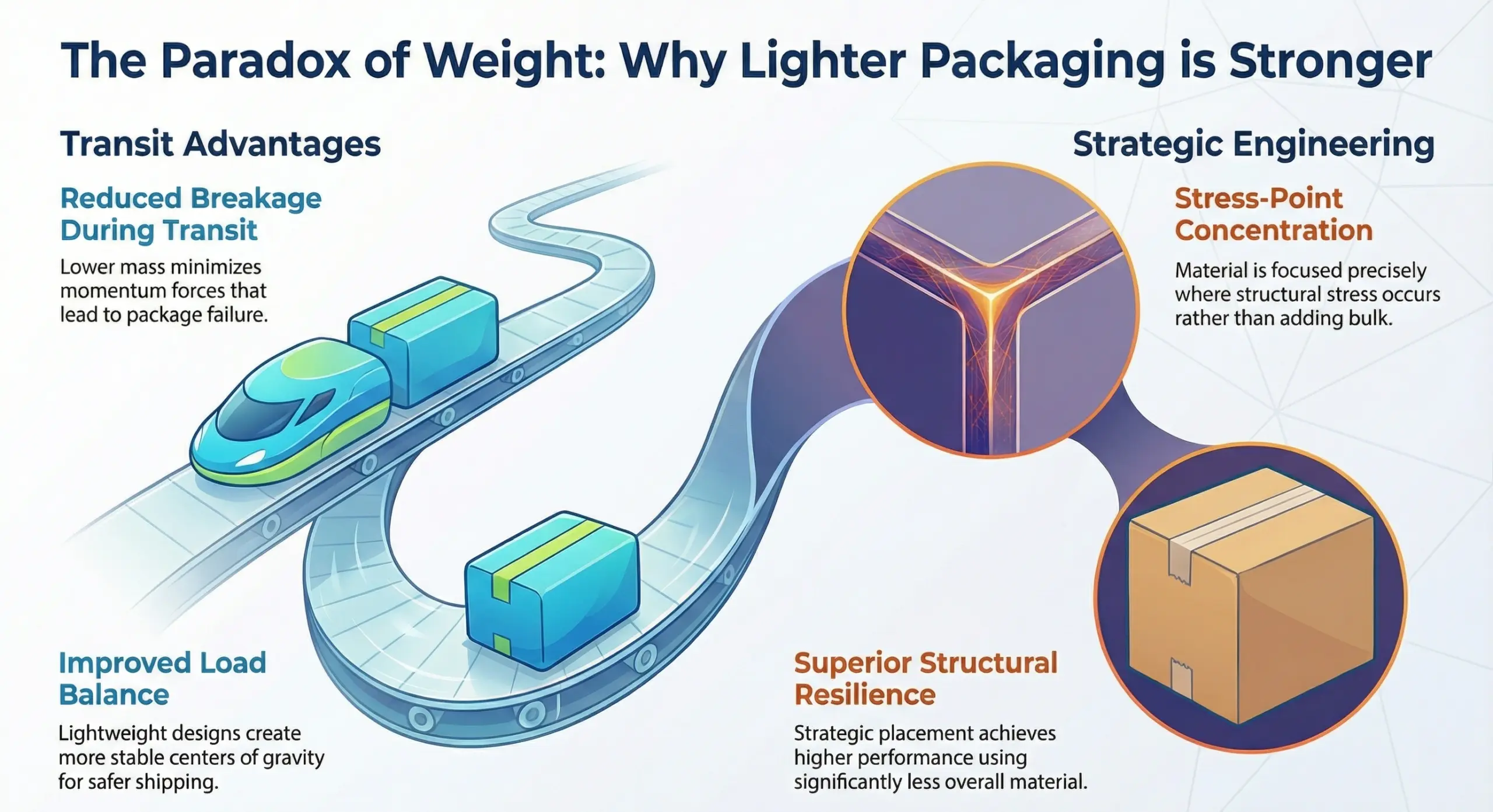
Lighter packaging reduces breakage during transit through improved balance and reduced momentum forces. While counterintuitive—thicker material seems more protective—properly engineered lightweight designs concentrate material where stress occurs, actually improving structural performance while reducing overall weight.
Fewer breakages mean reduced product loss, lower insurance costs, and decreased environmental impact from damaged goods disposal and replacement. For luxury fragrances with high unit values, breakage reduction directly improves profitability while supporting sustainability narratives.
11. The Cosmopack Advantage: Integrated Supply Chain Solutions
Cosmopack’s unique value lies in bringing the entire supply chain—from raw materials to finished packaging—into one venue.
Systemic Innovation
Lightweight prestige can’t be achieved through isolated component optimization. It requires coordinated solutions across materials, design, decoration, filling equipment, and logistics. A brand owner at Cosmopack can:
Evaluate lightweight glass bottles from Italian manufacturers in Hall 15
Discuss compatible fragrance formulations and ingredients in Halls 18 and 20
Examine filling automation capable of handling thinner materials in Hall 19
Explore decoration technologies that create premium surface treatments
Source contract manufacturers offering full-service solutions
Attend CosmoTalks presentations on sustainability and packaging innovation
This integrated ecosystem enables comprehensive problem-solving impossible at component-specific exhibitions. Questions about whether specific lightweight bottles can withstand particular filling processes, or how certain decoration techniques perform on reduced-thickness glass, can be answered through direct conversations between suppliers who normally operate in separate market segments.
Speed to Market
The exhibition’s compressed timeframe creates urgency and enables rapid decision-making. Rather than months of sequential supplier evaluations, brands can assess multiple options, compare alternatives, and establish partnerships within three days. For an industry where trend cycles accelerate and first-mover advantages matter, this efficiency represents significant competitive value.
Cosmopack’s Digital Directory and mapped pavilions enable strategic navigation, allowing visitors to prioritize suppliers aligned with specific lightweight prestige objectives. The Cosmopack Stage in Hall 20 provides a venue for exhibitors to present product launches to curated audiences of buyers, press, and industry professionals, creating visibility for innovations that might otherwise require expensive separate marketing.
12. Challenges and Limitations
Despite compelling advantages, lightweight prestige faces significant implementation challenges.
Consumer Habit Resistance
Decades of weight-equals-quality conditioning won’t vanish immediately. Many consumers, particularly in emerging luxury markets where Western prestige associations remain powerful, continue equating bottle heft with fragrance value. Brands must balance lightweight innovation with market-specific expectations, potentially maintaining heavier packaging for markets where consumer education hasn’t shifted perceptions.
Structural Performance Concerns
Thinner materials require more sophisticated engineering to ensure equivalent performance. While properly designed lightweight packaging can match or exceed traditional structural integrity, the narrower tolerance margins increase design and testing requirements. This can extend development timelines and increase upfront costs, though economies typically improve once systems are optimized.
Refill System Complexity
Manufacturing reliable refillable pumps that maintain fragrance quality through multiple cycles proves substantially more complex than producing single-use packaging. Materials must withstand repeated exposure to fragrances’ chemical components without degradation; mechanical systems must function reliably without lubrication that might contaminate products; sealing mechanisms must prevent both leakage and air infiltration across numerous refill cycles.
These technical requirements increase manufacturing costs and quality control demands, potentially limiting refillable systems to premium price points where higher per-unit costs remain economically viable.
Regulatory Variability
Different regions maintain varying regulations regarding packaging materials, recycling infrastructure, and labeling requirements. A lightweight solution optimized for European markets might require modification for regulatory compliance in Asia or North America. This geographic variability complicates global brand implementation and increases the complexity of supply chain management.
13. Conclusion: Redefining Luxury for the Material Age
Cosmopack Bologna 2026 arrives at a moment of fundamental transition in luxury packaging philosophy. The exhibition’s halls showcase not merely lighter bottles but a comprehensive reimagining of what prestige means in an age of environmental consciousness and material accountability.
Lightweight prestige represents more than engineering cleverness or cost optimization—it embodies a values shift. For generations, luxury signaled abundance: more material, greater weight, visible excess as proof of quality and exclusivity. The emerging paradigm redefines luxury as intelligence: thoughtful design, sophisticated engineering, material efficiency as evidence of progressive values and contemporary relevance.
The exhibitors across Cosmopack’s packaging halls aren’t just selling lighter bottles—they’re demonstrating that in 2026, lightweight is prestige. Heavy glass no longer automatically signals quality; increasingly, it signals outdated thinking. Excessive material no longer communicates luxury; it communicates indifference to environmental impact and transportation efficiency.
This transformation will accelerate. Consumer expectations, particularly among younger luxury buyers, continue shifting toward sustainability as non-negotiable requirement rather than aspirational preference. Transportation costs and carbon regulations will make lightweight packaging economically mandatory even for brands philosophically resistant. Material innovations showcased at Cosmopack 2026—thinner glass, advanced acrylics, engineered refill systems, mono-material constructions—will become industry standard rather than competitive differentiator.
For beauty industry professionals walking the BolognaFiere exhibition center March 26-28, the future of fragrance packaging is tangible. It weighs less but feels more thoughtful. It uses fewer resources but delivers richer sensory experiences through sophisticated decoration and geometric complexity. It costs less to transport but commands premium pricing through transparent sustainability communication and compelling design.
The question facing the industry isn’t whether to embrace lightweight prestige—it’s whether packaging suppliers, brand owners, and contract manufacturers can innovate rapidly enough to meet demand from luxury houses that recognize this transition as both moral imperative and competitive necessity.
Cosmopack 2026 provides the venue where this future becomes sourceable reality. The lightweight prestige revolution isn’t approaching—it’s engineered, decorated, quality-tested, and ready for implementation. The brands that act decisively to adopt these innovations will define luxury for the next generation. Those that cling to heavy glass and material excess will find themselves defending an increasingly indefensible position to consumers who view sustainability not as premium option but as baseline expectation.
In this sense, Cosmopack Bologna 2026 represents more than an industry exhibition—it’s the material embodiment of luxury packaging’s evolutionary moment. Three days in March where the weight of tradition finally yields to the prestige of intelligence, and where the industry collectively decides that lighter is indeed better.