


The global fragrance industry represents one of the most competitive and emotionally-driven markets in consumer goods, where scent meets storytelling, luxury intersects with accessibility, and traditional marketing converges with digital innovation. In an era where consumers increasingly seek personalized experiences and authentic brand connections, perfume marketing has evolved far beyond simple celebrity endorsements and magazine advertisements. Today’s successful fragrance brands must navigate a complex landscape that includes social media influence, sustainability messaging, experiential events, and sophisticated digital strategies to capture consumer attention and build lasting loyalty.
This comprehensive guide explores the multifaceted world of perfume marketing, examining proven strategies, emerging trends, and practical tactics that fragrance brands can employ to differentiate themselves, connect with target audiences, and drive sustainable growth in an increasingly crowded marketplace.
1. Understanding the Modern Fragrance Consumer
The fragrance consumer of 2026 operates in a fundamentally different environment than previous generations. Rather than relying solely on department store testers and print advertisements, today’s buyers conduct extensive online research, watch influencer reviews on TikTok and YouTube, and seek out authentic stories behind the scents they purchase. They increasingly value wearability over overpowering fragrances, sustainability over excessive packaging, and personal expression over mainstream popularity.
Gen Z and Gen Alpha consumers, in particular, prioritize emotional storytelling, digital engagement, and products that feel authentically personal. These younger demographics expect brands to communicate through their preferred channels—primarily social media platforms—and to provide interactive experiences that go beyond transactional relationships. They’re drawn to fragrances that align with their values, whether that means cruelty-free ingredients, sustainable sourcing, or support for social causes.
Luxury consumers, meanwhile, continue to seek exclusivity, craftsmanship, and heritage, but even this segment has been influenced by digital transformation. The purchase intention for luxury perfumes is positively influenced by brand image, quality perception, price positioning, and status signaling. Understanding these diverse consumer psychographics and behavioral patterns forms the foundation for effective perfume marketing strategies.
2. Building a Compelling Brand Identity and Positioning
Before implementing tactical marketing initiatives, fragrance brands must establish a clear, distinctive brand identity that resonates with their target audience. This foundational work answers critical questions: What makes your fragrance special? How does it differ from competitors? What emotions or experiences should it evoke?
Brand positioning in the fragrance market typically falls along a spectrum from mass-market to luxury, with niche and indie brands occupying increasingly important middle ground. Designer brands leverage fashion house heritage and celebrity endorsements to maintain prestige positioning. Niche brands, conversely, emphasize artisanal craftsmanship, rare ingredients, and storytelling to justify premium pricing and cultivate dedicated followings.
Le Labo exemplifies successful niche brand positioning through its focus on word-of-mouth marketing, user-generated content, and premium placement rather than traditional advertising. Their minimalist bottles and “City Exclusives” campaign—where specific scents are available only in certain cities once annually—created buzz, fostering fear of missing out (FOMO) and cultivating brand loyalty. Even after acquisition by Estée Lauder, Le Labo maintained its indie identity through hyper-consistent tone, visual language, and slow-luxury values.
Brand identity extends beyond positioning to encompass visual elements, brand voice, packaging aesthetics, and the overall sensory experience customers associate with your fragrances. Consistency across all touchpoints—from website design to social media content to retail presentation—reinforces brand recognition and builds trust with consumers.
3. The Critical Role of Packaging Design
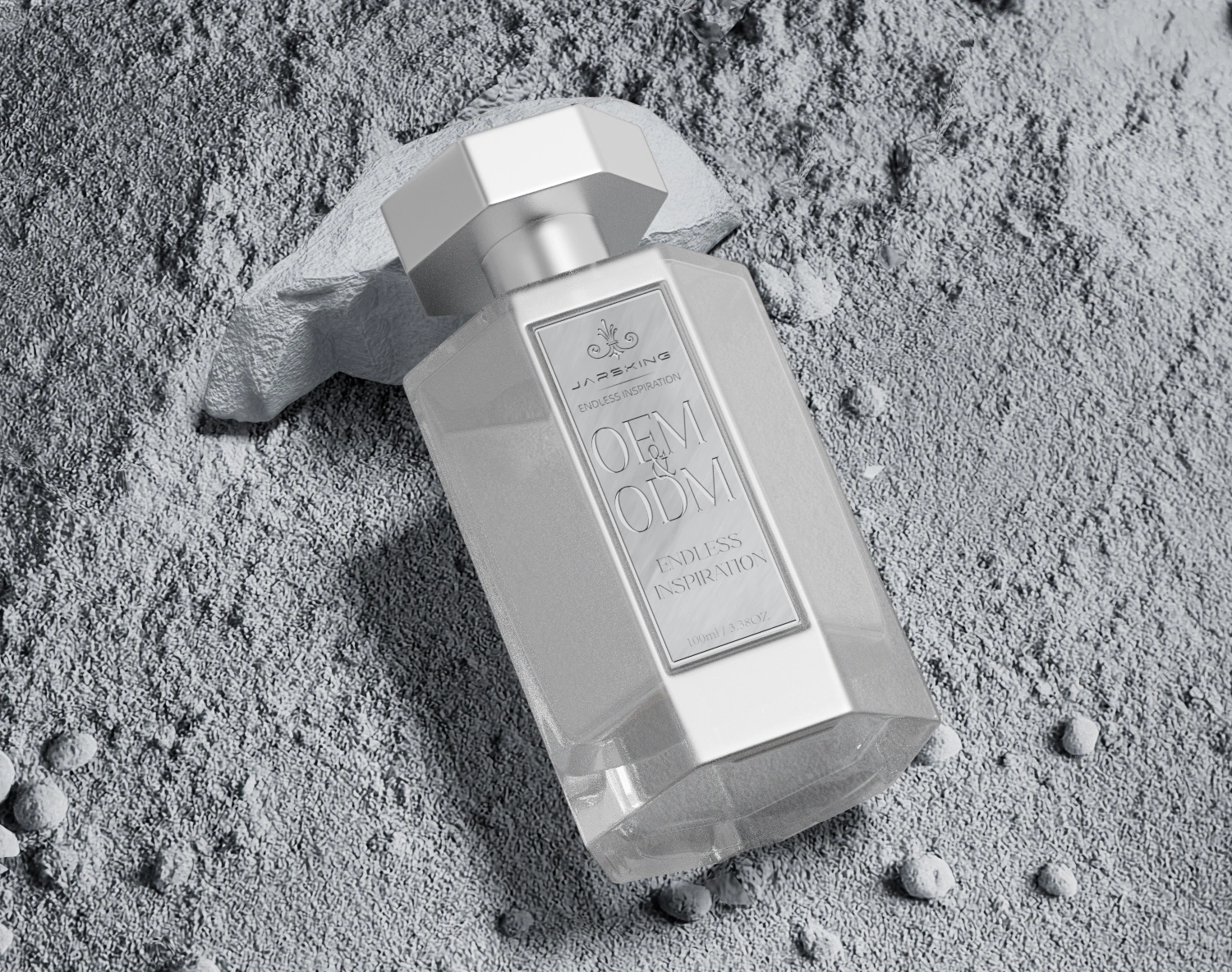
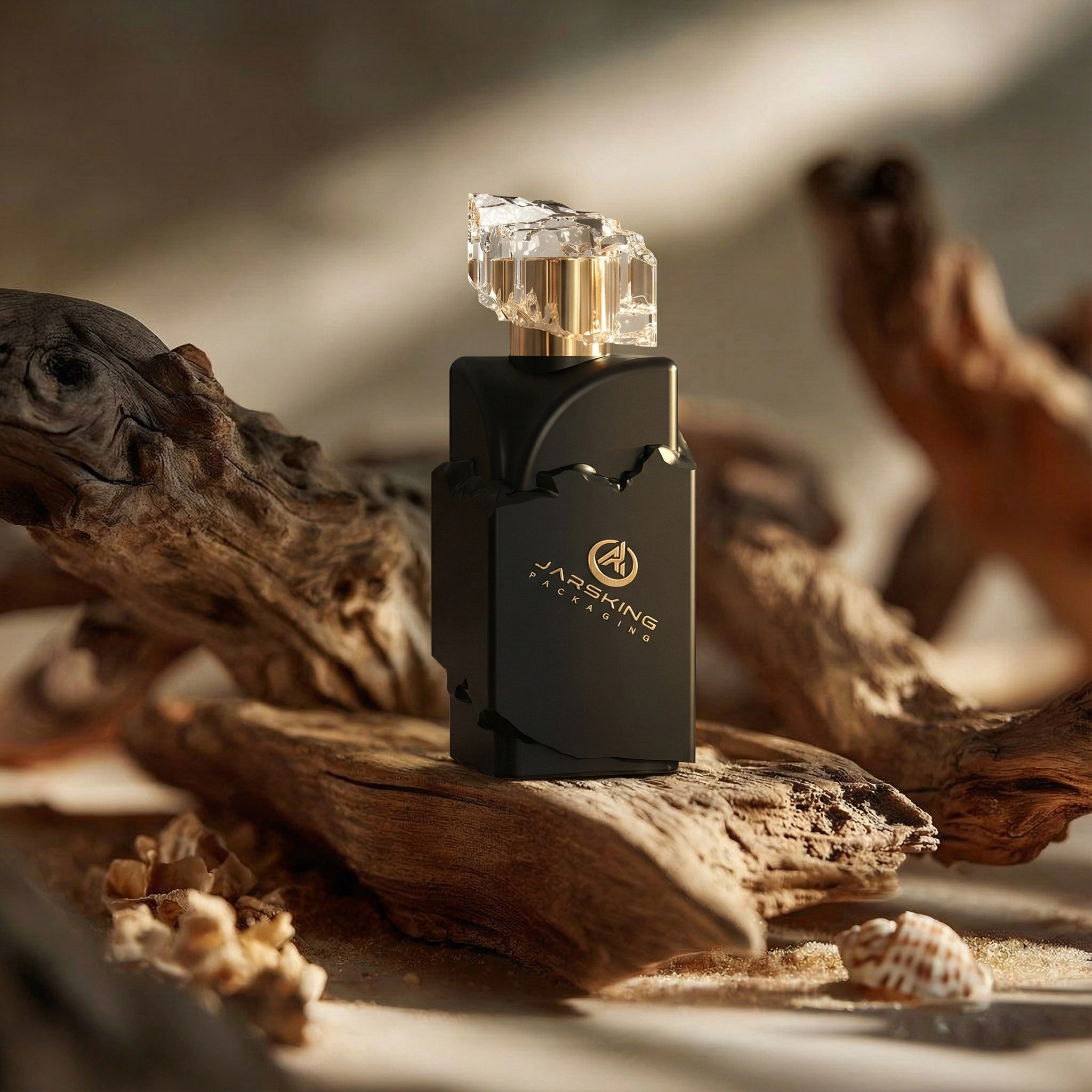
In the fragrance industry, packaging transcends mere functional containment to become a crucial marketing tool that communicates brand identity, creates first impressions, and influences purchase decisions. For many consumers, especially those purchasing online or encountering a fragrance for the first time, packaging serves as the primary point of interaction with the product.
Premium packaging materials and intricate designs enhance the perceived value and luxury associated with a fragrance brand, justifying higher pricing and maintaining market positioning. The quality perception of products can be significantly elevated through thoughtful material selection, attention to detail, and design elements that reflect brand personality. Research shows that distinctive packaging design increases brand quality perception and customer loyalty, insulating companies against competitive actions in retail environments.
Every element of perfume packaging contributes to the overall brand narrative: colors communicate personality and target audience; typography suggests whether the brand is classic, modern, or youthful; materials convey quality and sustainability values; and bottle shape hints at the fragrance category and style. For example, elegant and sophisticated designs suggest luxury perfumes, while colorful and carefree packaging typically represents informal, youthful, and mass-market fragrances.
The unboxing experience has become almost as important as the product itself in contemporary marketing. Well-designed packaging creates a multisensory journey, transforming the simple act of opening a box into an indulgent ritual that customers want to share on social media. This shareability factor amplifies marketing reach organically as satisfied customers become brand ambassadors through their posts and stories.
Packaging design also needs to align brand identity with emotion, as people often choose fragrances based on their mood. Bottle design should incorporate brand identity and personify a mood through color theory, bottle shape, lettermark, typeface, material, tactile finish, and bottle cap. This emotional alignment creates deeper connections between consumers and products.
4. Digital Marketing Strategies for Fragrance Brands
Search Engine Optimization (SEO)
SEO represents one of the most cost-effective and sustainable digital marketing strategies for fragrance brands, delivering long-term visibility and organic traffic without ongoing advertising expenditure. Unlike paid advertising, where brands must continually spend to reach more people, organic traffic attracts users based on website ranking factors.
Effective SEO for perfume brands encompasses both on-page and off-page optimization. On-page SEO includes optimizing product descriptions, collection pages, and blog content with relevant keywords that potential customers actually search for. Brands that rank in top search positions for high-intent terms like “best vanilla perfumes” or “luxury cruelty-free fragrances” capture valuable traffic from consumers actively seeking to purchase.
Most successful fragrance brands include keyword-rich text on their collection pages. For example, Chanel’s collection page describes how “CHANEL perfumes and fragrances are lifelong companions for the bold, luminous woman who is in perpetual movement,” naturally incorporating relevant search terms while communicating brand values. However, it’s important to avoid keyword stuffing; Google’s natural language processing is sophisticated enough to understand context without repetitive mentions.
Maintaining an active blog provides significant SEO advantages, allowing brands to rank for non-branded keywords and higher sales funnel search terms. Blog content can cover brand origin stories, upcoming releases, behind-the-scenes content, sustainable ingredient sourcing, fragrance layering techniques, and seasonal scent recommendations. This content helps contextualize what searches are relevant to your brand; for instance, consistently posting about sustainable sourcing provides Google with signals to display your website to people searching for environmentally sustainable perfume brands.
Off-page SEO focuses on building authority through backlinks from reputable websites, social media signals, and online reviews. Collaborating with beauty bloggers, securing press coverage in fashion and lifestyle publications, and encouraging customer reviews all contribute to improved search rankings and brand visibility.
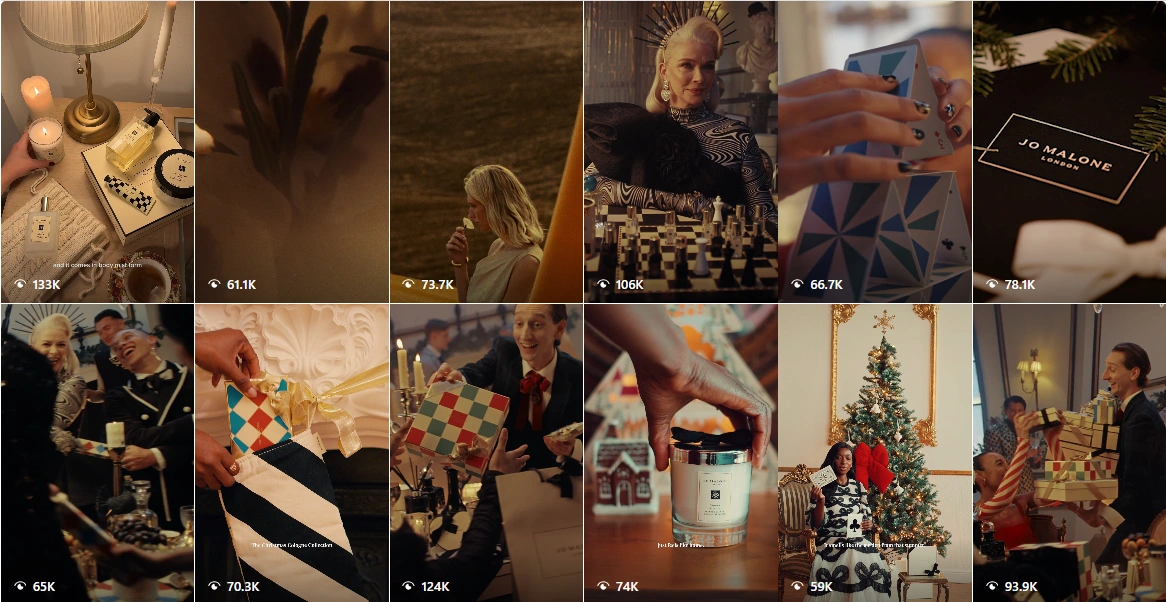
Jo Malone’s social media content heavily emphasizes packaging, unboxing, ribbons, and presentation scenarios. Many of their most popular posts aren’t fragrance reviews, but rather content about “how to give,” “when to give,” and “who to give to.” On Instagram Reels and Xiaohongshu (Little Red Book), this type of content is easily replicated, elevating perfume from a “personal consumption” item to a “social behavior,” greatly expanding its reach.
Social Media Marketing
Instagram, TikTok, and YouTube have become essential platforms for fragrance marketing due to their visual nature and ability to convey lifestyle imagery that evokes the emotional experience of wearing scents. These platforms allow brands to highlight craftsmanship, heritage, and luxury appeal through visual and sensory storytelling.
Social media marketing for fragrances should focus on visual storytelling and lifestyle benefits rather than attempting to describe scents directly. High-quality product photography captures packaging aesthetics and brand essence, helping customers connect with the brand even without being able to smell the product. Behind-the-scenes content showing fragrance creation processes, ingredient sourcing, and perfumery expertise builds credibility and interest.
Short-form video content demonstrating fragrance application processes, unboxing experiences, and lifestyle contexts where the fragrance fits naturally performs particularly well on TikTok and Instagram Reels. User-generated content campaigns encouraging customers to share how they feel wearing your fragrances create emotional connections with potential buyers. Featuring authentic customer testimonials prominently across social channels provides social proof that influences purchase decisions.
Interactive content including contests, polls, giveaways, and ask-me-anything sessions with perfumers or brand founders significantly boosts engagement. AR filters that let users “try on” different fragrance auras represented by colors or visual effects matching scent profiles help bridge the digital-physical gap that challenges online perfume sales.
Engagement consistency matters more than follower count in building authentic communities. Responding to comments, resharing customer content, and maintaining active dialogue demonstrates that the brand values its community beyond just making sales.
Social Commerce Evolution
Social commerce, which integrates shopping experiences directly within social media platforms, streamlines the path from discovery to purchase. This trend is particularly relevant for fragrances, where visual storytelling and influencer endorsements play significant roles in consumer decision-making.
Brands can leverage Instagram Shopping, TikTok Shopping, and Facebook Shops to create shoppable posts and live-streamed product launches, allowing consumers to buy fragrances instantly while engaging with content. To capitalize on social commerce, fragrance marketers should optimize their social media profiles for shopping functionality, collaborate with platform specialists who understand the technical requirements, and create compelling, interactive content that encourages immediate action.
Live shopping events, where brand representatives or influencers showcase products in real-time while viewers can purchase directly through the platform, combine entertainment with convenience. These events create urgency and excitement while providing opportunities for immediate customer questions and personalized recommendations.
5. Influencer Marketing and Partnerships
Micro-Influencer Collaborations
The fragrance industry has shifted away from relying solely on major celebrity endorsements toward collaborating with micro-influencers who have smaller but highly engaged audiences. Micro-influencers, typically those with 10,000-50,000 followers, offer authentic connections and niche targeting opportunities.
These influencers provide genuine recommendations that resonate more authentically than celebrity endorsements with younger consumers who seek transparency and relatability. A fragrance brand might partner with micro-influencers specializing in beauty or lifestyle content to showcase fragrance use in everyday settings, enhancing trust and purchase intent.
To implement effective micro-influencer partnerships, brands should identify creators whose values and aesthetic align with their own. Long-term collaborations foster deeper relationships and consistent messaging, proving more effective than one-off sponsored posts. Providing influencers with creative freedom while maintaining brand guidelines typically yields the most authentic content that performs well with their audiences.
Performance metrics for influencer campaigns should extend beyond vanity metrics like likes and followers to include engagement rates, click-throughs, conversion rates, and return on investment. Tracking unique discount codes or affiliate links helps attribute sales directly to specific influencer partnerships.
Celebrity Endorsements
While the landscape has evolved, celebrity endorsements remain powerful for established fragrance brands, particularly in the luxury segment. Big brands leverage the star power of popular celebrities to create instant connections with consumers, tapping into the admiration and aspirational allure associated with these figures.
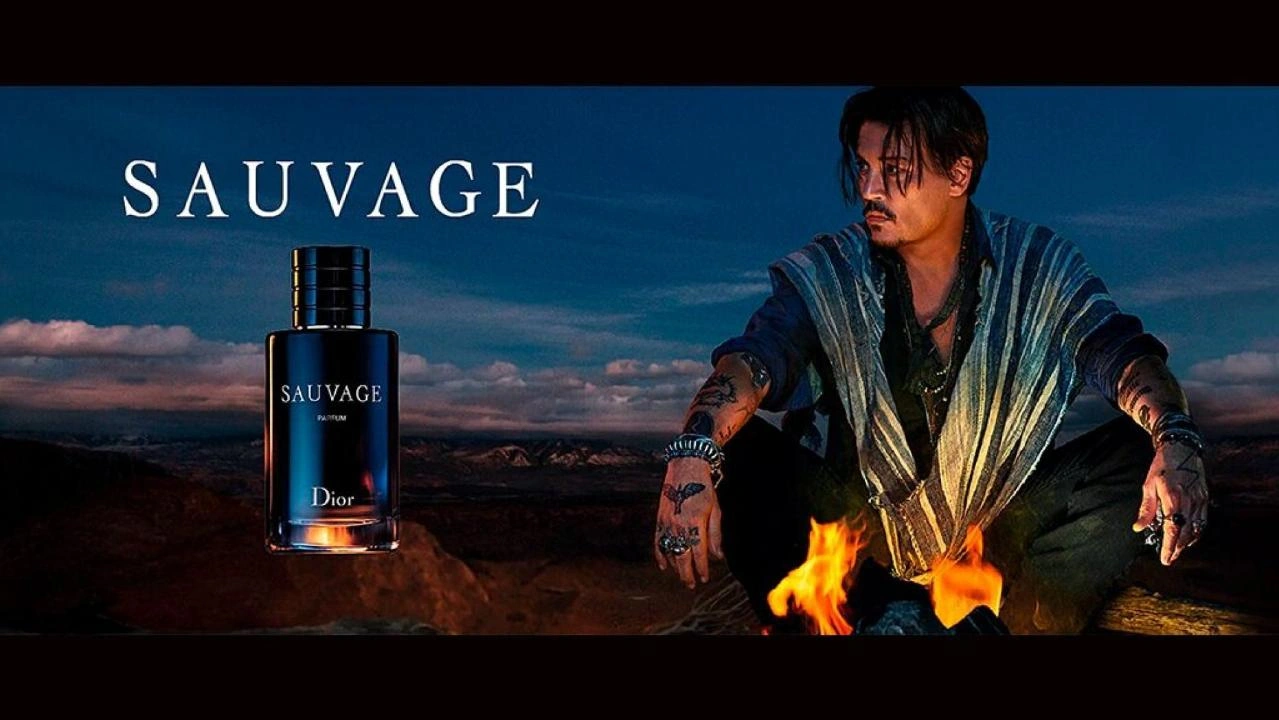
Celebrity endorsements enhance brand visibility, credibility, and desirability, transforming perfumes into coveted luxury items. Johnny Depp’s long-standing partnership with Dior Sauvage reinforced the fragrance’s rugged yet sophisticated appeal and contributed to its status as the top-selling men’s fragrance globally in 2022, generating an estimated $5 billion in revenue. Similarly, Charlize Theron’s iconic campaigns for Dior J’adore elevated the perfume’s image, with Dior reporting double-digit growth in their perfume category in 2021.
The most effective celebrity partnerships extend beyond simple transactional endorsements to genuine alignment between the celebrity’s persona and the fragrance’s identity. Natalie Portman’s natural grace and intelligence make her an ideal ambassador for Miss Dior, while Zendaya’s fresh and dynamic presence perfectly embodies Lancôme Idôle le Parfum’s representation of confident, empowered women.
Increasingly, celebrities are launching their own perfume brands rather than merely endorsing established ones, reflecting a more personal investment in fragrance creation and brand building. This shift demonstrates the evolving nature of celebrity involvement in the fragrance industry.
6. Content Marketing and Storytelling
Content marketing represents a strategic approach that focuses on creating valuable, relevant content to attract and retain target audiences. For fragrance brands, compelling storytelling transforms products from mere scented liquids into narratives that customers want to be part of.
Niche perfumes particularly excel at storytelling, with each fragrance crafted as a narrative composed of the finest ingredients, often rare or unusual. These fragrances become personal journeys of discovery, with their distinctive characters conveying meanings beyond simple scent descriptions. Niche perfumers often share their inspirations and creative processes, creating bonds with those who choose their fragrances and transforming perfume from mere accessory to personal statement.
Content that performs well for fragrance brands includes brand origin stories that explain the founder’s vision and values, detailed explorations of ingredient sourcing and sustainability practices, perfumer interviews revealing the artistry behind scent creation, fragrance layering guides and styling advice, seasonal scent recommendations, and educational content about fragrance families and note structures.
This content should be distributed across multiple channels—brand blogs, social media, email newsletters, and potentially guest posts on relevant publications—to maximize reach and establish the brand as an authority in the fragrance space. Video content showing the perfume creation process, factory tours, ingredient harvesting, and perfumer Q&As adds depth and authenticity to brand narratives.
Emotional storytelling that connects fragrances with memories, experiences, and aspirations resonates particularly well with Gen Z and Gen Alpha consumers who value authenticity and personal meaning. Rather than focusing solely on scent notes, effective content evokes the feelings and moments associated with wearing the fragrance.
7. Experiential Marketing and Events
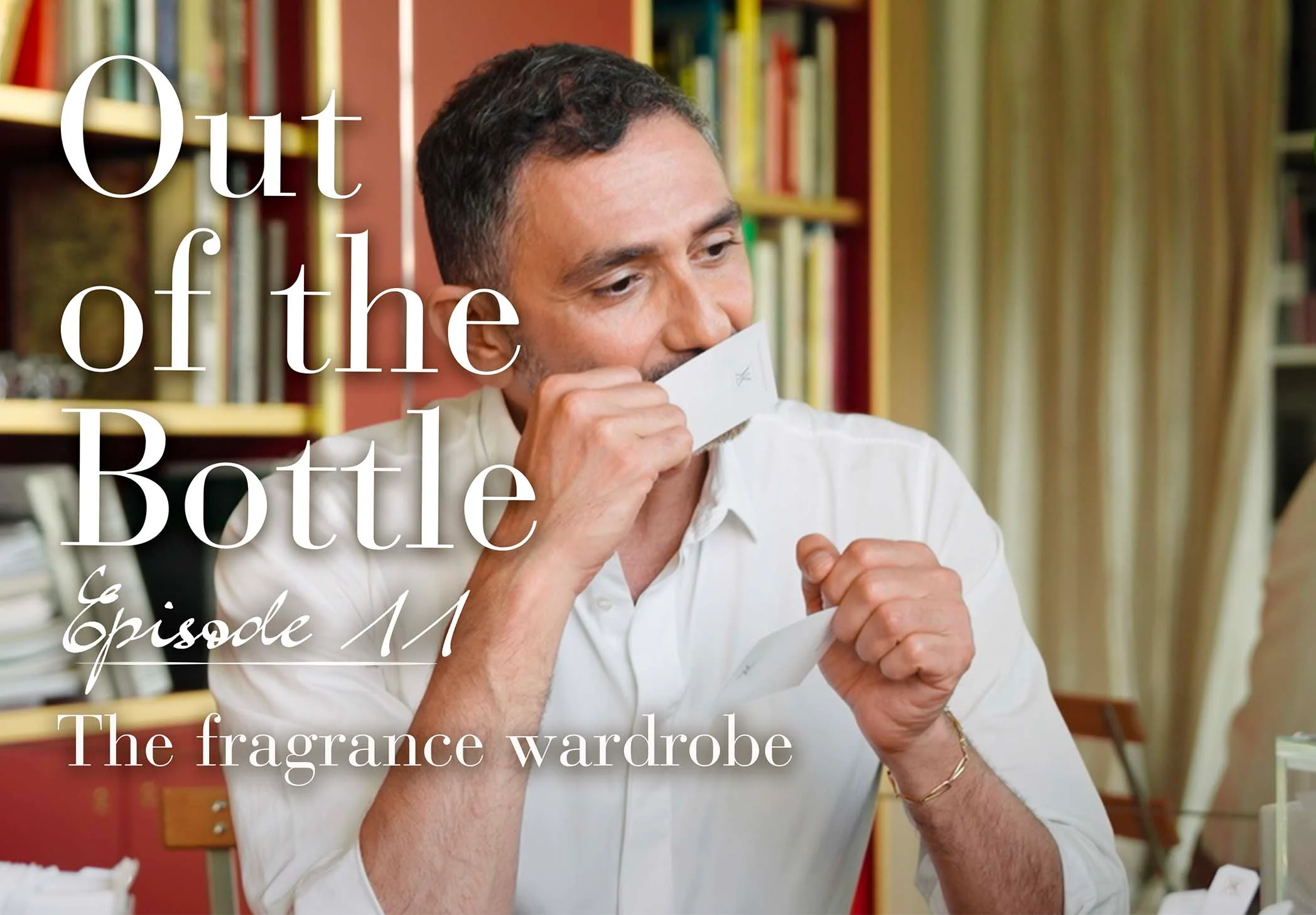
Experiential marketing events offer live, interactive brand activations designed to immerse consumers in multi-sensory experiences. Instead of passively receiving advertisements, attendees actively engage with products through scent sampling, personalization workshops, or educational sessions, forming memorable impressions that influence purchasing decisions.
This hands-on approach fosters emotional engagement and deeper brand connections, which are essential for products like fragrances where sensory experience drives consumer choice. Experiential events allow customers to personally experience fragrances through scent testing, something impossible in digital marketing.
Source: https://www.franciskurkdjian.com/us-en/out-of-the-bottle-episode11/PDOOTB11.html
Event Types and Strategies
Successful experiential marketing for fragrances includes several proven strategies:
Scent Personalization Stations enable attendees to blend fragrance notes and create custom scents, deepening emotional connections and encouraging social sharing both on-site and online. This personal touch makes customers feel invested in the brand and gives them a unique story to tell.
Influencer-Led Scent Workshops partner fragrance experts or lifestyle influencers to host educational sessions on scent notes, layering techniques, and cologne styling. These workshops extend brand reach and credibility while providing valuable education that enhances the customer’s overall fragrance experience.
Immersive Themed Environments design event spaces that reflect the cologne’s essence—whether urban, rugged, or sophisticated—using lighting, visuals, and soundscapes to evoke the scent’s character. These environments create Instagram-worthy moments that extend marketing reach beyond physical attendees.
Pop-Up Shops and Fragrance Bars in high-traffic locations provide temporary but memorable brand experiences. These installations allow consumers to discover and interact with fragrances in person, building brand awareness and loyalty among target audiences.
Measurable Outcomes
Well-executed experiential marketing events typically deliver significant business results. Brand awareness increases by 20-40% as measured by social mentions and press coverage. Engagement metrics show visitors spending 50% longer with brands during experiential events compared to traditional sampling. Lead generation improves substantially, with 30-50% of attendees typically providing contact information for future marketing.
Case studies demonstrate these impacts clearly: Dior Sauvage’s sensory immersive pop-up booth achieved a 30% increase in brand engagement and 25% sales uplift, while Tom Ford’s fragrance workshops with experts resulted in a 40% boost in email signups and 15% rise in repeat sales.
8. Sustainability Messaging and Authentic Communication
Consumers are increasingly conscious of environmental impact, making sustainability messaging vital for fragrance brands in 2026. This involves transparently communicating eco-friendly sourcing, packaging, and production practices to build trust and loyalty.
Fragrance brands can highlight natural ingredients, biodegradable packaging, or carbon-neutral manufacturing processes. For instance, brands might launch campaigns showcasing commitment to sustainable ingredient sourcing from ethical farms or demonstrate how packaging is designed for minimal environmental impact.
To implement this trend effectively, brands should conduct thorough audits of their supply chains and develop authentic sustainability stories. Avoiding greenwashing by backing claims with verifiable data is essential to maintain credibility. Modern consumers, particularly younger demographics, are sophisticated enough to recognize superficial environmental claims and will call out brands that engage in misleading sustainability marketing.
Biotechnology solutions represent an emerging area in sustainable fragrance production, with microbial-based approaches offering more practical, economical, and sustainable alternatives to plant-based methods for producing terpene derivatives used in perfumery. Brands that invest in and communicate about innovative sustainability practices position themselves favorably with environmentally conscious consumers.
9. AI-Powered Personalization
AI-powered personalization uses machine learning algorithms to analyze consumer behavior and preferences, enabling brands to deliver highly tailored fragrance recommendations and marketing messages. This trend is gaining importance as consumers increasingly expect customized experiences that resonate with their unique tastes and lifestyles.
For fragrance brands, AI can analyze purchase history, scent preferences, and even social media activity to suggest products that align perfectly with individual customers. A brand could implement an AI-driven quiz on its website that recommends scents based on mood, occasion, or personality traits.
To get started, brands should invest in AI tools that integrate with their CRM systems and gather rich customer data. Collaborating with AI specialists to develop proprietary algorithms can enhance personalization efforts beyond generic recommendation engines.
Behavioral targeting, which considers browsing habits, purchase history, and engagement patterns, offers more precise audience segmentation than traditional demographic targeting based solely on age or gender. For instance, targeting customers who frequently explore floral scents with promotions for new floral fragrance launches can significantly increase conversion rates.
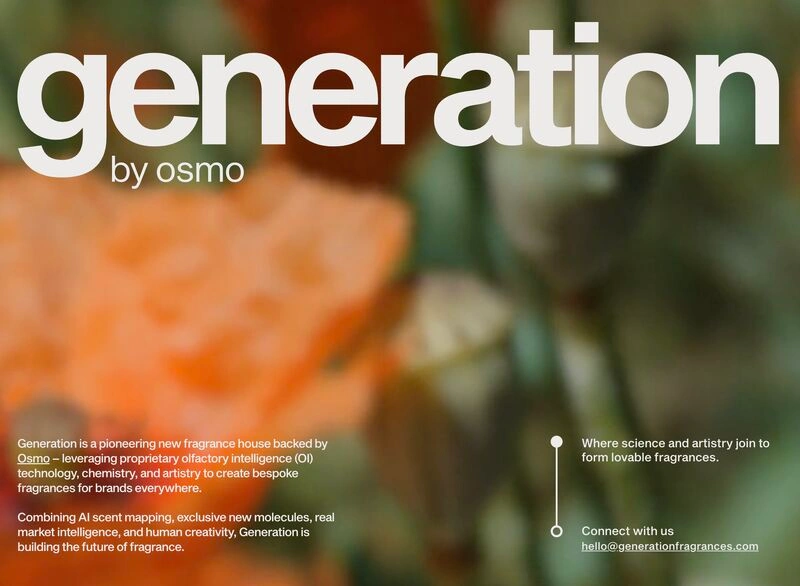
Osmo has launched Generation, the world’s first AI-powered fragrance house. It utilizes proprietary olfactory intelligence to transform data into scent, enabling rapid and precise fragrance creation.
Source: https://www.linkedin.com/posts/vershaprakash_yesterday-we-launched-generationa-fragrance-activity-7303516858912014336-WAiw
10. Sampling Programs and Product Discovery
Free samples remain one of the most effective conversion tools in fragrance sales. Sample programs reduce purchase risk by allowing potential buyers to experience fragrances before committing to full-size bottles, increase brand awareness by exposing new people to unique scents, and enhance brand image through generosity that fosters positive brand perception.
Fragrance brands can distribute samples through multiple channels: including miniatures with online orders of non-fragrance products, offering discovery sets that let customers try multiple scents at accessible prices, providing free samples at trade fairs and pop-up shops, and partnering with subscription box services to reach new audiences.
The challenge of selling fragrance online—the inability to smell through screens—makes sampling programs particularly crucial for e-commerce success. Brands that master the art of getting samples into potential customers’ hands overcome the primary barrier to online fragrance purchases.
Virtual “scent sessions” where followers order sample kits ahead of time to participate in guided fragrance exploration events bridge the digital-physical gap effectively. These sessions combine the convenience of online events with the sensory experience necessary for fragrance evaluation.
11. Omnichannel Distribution Strategy
Successful fragrance marketing requires a holistic, omnichannel approach that reaches consumers wherever they are in their purchasing journey. This means integrating direct-to-consumer e-commerce, retail partnerships, department store placement, specialty boutiques, and digital marketplaces into a cohesive strategy.
Direct-to-consumer channels offer the highest profit margins and provide valuable customer data that informs future marketing decisions. Brand-owned websites allow complete control over presentation, pricing, and customer experience while building direct relationships with buyers.
However, retail partnerships remain important for brand credibility and customer discovery. Placement in high-end stores like Harrods, Neiman Marcus, or Selfridges confers luxury status and allows customers to experience fragrances in person before purchasing. These partnerships require demonstrating that your brand aligns with the retailer’s aesthetic and customer expectations.
Strategic partnerships with complementary luxury products or services can expose fragrances to new affluent consumers. Collaborating with high-end fashion labels, bespoke jewelry designers, or prestigious hotel chains creates co-branding opportunities that lend additional credibility and exclusivity.
12. Email Marketing and Customer Retention
While email marketing might seem traditional compared to social media, it remains one of the highest-ROI marketing channels for fragrance brands. Email provides direct access to customers who have already expressed interest in your brand, making it ideal for nurturing relationships and encouraging repeat purchases.
Effective email marketing for fragrances includes welcome series for new subscribers introducing brand story and best-selling scents, personalized recommendations based on past purchases or browsing behavior, exclusive access to new releases or limited editions for loyal customers, educational content about fragrance care and styling, and seasonal campaigns suggesting appropriate scents for different times of year.
Segmentation improves email performance significantly. Rather than sending identical messages to all subscribers, brands should segment based on purchase history, engagement level, preferred fragrance families, and customer lifetime value to deliver more relevant content.
Tiered loyalty programs where customers earn points specifically toward fragrance purchases incentivize higher spending with exclusive scent access. These programs increase customer retention and lifetime value while gathering valuable data about preferences and buying patterns.
Source: https://perfumesociety.org/tag/music/
13. Audio Branding and Multisensory Marketing
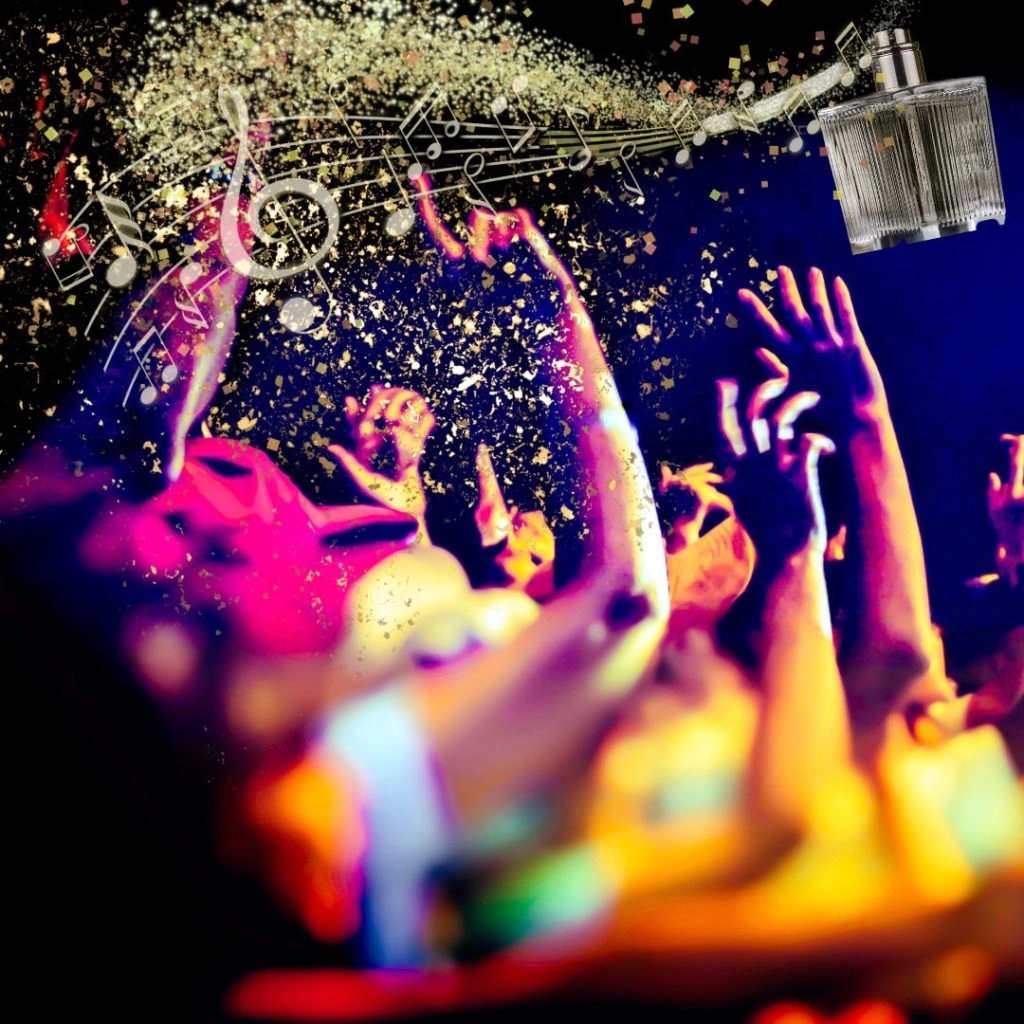
An innovative emerging trend involves designing soundscapes specifically matched to particular scents, creating “audio scents” or “sonic scents”. This represents an exciting new approach to sensory marketing of fragrances and offers brands opportunities to create truly multidimensional experiences.
Techniques such as the semantic differential technique and emerging literature on crossmodal correspondences offer both mechanistic understanding and practical frameworks for those wishing to match music or soundscapes to fragrances. This approach acknowledges that fragrance experiences aren’t isolated to smell alone; they’re part of broader sensory contexts that include visual, tactile, and auditory elements.
Brands can incorporate audio branding through signature sounds in retail environments, soundtrack selections for digital content that evoke the fragrance’s mood, branded playlists on streaming platforms that customers associate with the scent, and immersive sound experiences at launch events or installations.
14. Affiliate Marketing and Strategic Partnerships
Affiliate marketing allows fragrance brands to tap into established audiences through collaborations with bloggers, influencers, and review sites. This performance-based approach ensures payment occurs only when sales result, maximizing return on investment.
Beauty bloggers and YouTube channels with dedicated fragrance review segments provide authentic assessments that influence purchase decisions. Partnering with these content creators through affiliate programs creates win-win relationships where both brand and creator benefit from successful sales.
Review aggregation sites and fragrance communities like Fragrantica and Basenotes reach highly engaged audiences actively researching purchases. Establishing presence on these platforms through affiliate partnerships, sponsored content, or organic engagement helps capture high-intent consumers.
Strategic wholesale partnerships with online retailers like Sephora, Ulta, or Nordstrom extend reach beyond brand-owned channels while maintaining brand positioning. These partnerships require careful consideration of pricing consistency, brand presentation standards, and customer service quality to ensure the partnership enhances rather than dilutes brand equity.
15. Gender-Neutral Marketing and Evolving Positioning
The fragrance industry is progressively adapting marketing approaches to the new era, moving away from heavily gendered campaigns toward more inclusive positioning. The forefront of fashion no longer sees gender roles as gospel, and the beauty industry is following suit, with luxury fragrance leading this shift.
Fragrances at lower price points often persist with heavily gendered campaigns using celebrity spokesmodels to appeal to old ideals of femininity and masculinity. However, premium and niche brands increasingly create unisex scents marketed based on fragrance character rather than presumed gender preferences.
D.S. & Durga’s Silent Grove and Debaser, Vilhelm Parfumerie’s The Oud Affair and Morning Chess, and Prada’s private blends including Cargo De Nuit, Purple Rain, Tainted Love, and Marienbad exemplify this approach. These fragrances are marketed through artistic imagery, abstract concepts, and sensory descriptions rather than gendered stereotypes.
This evolution acknowledges that fragrance, unlike products with inherent size or application differences, offers natural opportunities for gender-neutral marketing. The product itself doesn’t require gender-specific formulation, making inclusive marketing both authentic and strategically advantageous for reaching broader audiences.
16. Common Marketing Mistakes to Avoid
Several pitfalls can undermine fragrance marketing effectiveness. Using outdated demographic targeting instead of behavioral approaches results in less relevant marketing messages and wasted advertising spend. Behavioral targeting that considers browsing habits, purchase history, and engagement patterns provides more precise audience segmentation than simple age or gender demographics.
Ignoring first-party data collection limits personalization capabilities and increases dependence on increasingly restricted third-party cookies. Fragrance brands should prioritize building direct customer relationships and capturing zero-party data through quizzes, preference centers, and engagement on owned channels.
Greenwashing—making misleading environmental claims without substantive backing—severely damages brand credibility when exposed. In an era of increased scrutiny and consumer sophistication, sustainability messaging must be authentic and verifiable.
Inconsistent messaging across channels confuses consumers and weakens brand identity. Whether a customer encounters your brand on Instagram, in a retail store, through email, or on your website, the core message, visual identity, and brand voice should remain consistent.
Neglecting community management and treating social media as one-way broadcast channels rather than two-way conversations misses opportunities to build loyal advocacy. Brands that invest in community management teams and encourage user-generated content amplify authentic voices and strengthen customer relationships.
17. Measuring Marketing Effectiveness
Effective fragrance marketing requires rigorous measurement of return on investment across channels. Different marketing tactics deliver results over different timeframes and should be evaluated accordingly.
SEO and content marketing deliver sustained, compounding returns over time as organic search rankings improve. These investments might not show immediate results but provide long-term value through continuous traffic without ongoing expenditure.
Social media marketing metrics should include engagement rates, follower growth, reach, website traffic from social channels, and ultimately conversions attributed to social sources. Vanity metrics like likes alone don’t sufficiently indicate marketing effectiveness.
Influencer campaign performance should track engagement rates on sponsored content, click-throughs to brand properties, conversion rates, and customer acquisition costs compared to other channels. Unique discount codes or affiliate links help attribute sales directly to specific partnerships.
Experiential marketing events should measure brand awareness uplift through social mentions and press coverage, lead generation through contact collection, direct sales at events, and post-event purchase behavior among attendees.
Email marketing provides clear metrics including open rates, click-through rates, conversion rates, and revenue per email that allow ongoing optimization. A/B testing subject lines, content formats, and call-to-action placement continually improves performance.
18. Future Trends and Emerging Opportunities
The fragrance marketing landscape continues evolving rapidly, with several trends poised to shape the industry’s future. Nostalgia marketing that connects scents with cherished memories and cultural moments resonates particularly well with Gen Z consumers who find comfort in references to past eras.
TikTok culture heavily influences fragrance discovery and popularization, with viral trends leading to sold-out products and overnight brand success. Brands that understand and participate authentically in TikTok’s unique content style and community norms access unprecedented reach among younger demographics.
Scent wardrobing—the practice of owning and wearing multiple fragrances for different occasions, moods, and seasons—drives increased consumption and discovery. Marketing that encourages building fragrance collections rather than finding a single signature scent capitalizes on this behavior.
Indie brand rituals that emphasize mindfulness, self-care, and intentional fragrance selection appeal to consumers seeking meaning beyond mere scent. These brands position fragrances as tools for emotional regulation and personal expression rather than simple cosmetic products.
Subscription models offering monthly discovery sets or access to exclusive releases create predictable revenue streams while keeping brands top-of-mind for consumers. These models work particularly well for niche brands building dedicated communities.
Virtual reality and augmented reality technologies offer emerging opportunities to create immersive digital experiences that partially overcome the challenge of selling fragrances online. While technology can’t replicate actual scent, it can create compelling contextual experiences that communicate fragrance character and brand story.
19. Conclusion
Perfume marketing in 2026 requires sophisticated, multifaceted approaches that integrate digital innovation with timeless principles of storytelling, sensory experience, and emotional connection. The most successful fragrance brands combine authentic brand identity, strategic positioning, compelling packaging, robust digital presence, influencer partnerships, experiential marketing, and community building into cohesive strategies that resonate with target audiences.
The key to fragrance marketing success lies in balancing multiple priorities: leveraging technology for personalization and efficiency while maintaining human authenticity that builds trust; reaching consumers through digital channels while creating physical experiences that allow sensory product evaluation; building brand prestige and exclusivity while remaining accessible and engaging; and promoting products effectively while telling stories that give those products deeper meaning.
Brands that master this balance—establishing clear identity, communicating authentically, embracing innovation while honoring fragrance traditions, and building genuine communities around their scents—position themselves for sustainable growth in an increasingly competitive market. The fragrance industry’s future belongs to marketers who understand that they’re not merely selling scented liquids; they’re offering emotional experiences, personal expression tools, and sensory journeys that become integral parts of customers’ lives.
As consumer expectations continue evolving and new marketing channels emerge, adaptability remains essential. However, the fundamental truth underlying all effective fragrance marketing endures: scent is intimately connected to memory, emotion, and identity, and brands that honor and leverage these connections will continue thriving regardless of shifting tactical landscapes.